Get your free personalized podcast brief
We scan new podcasts and send you the top 5 insights daily.
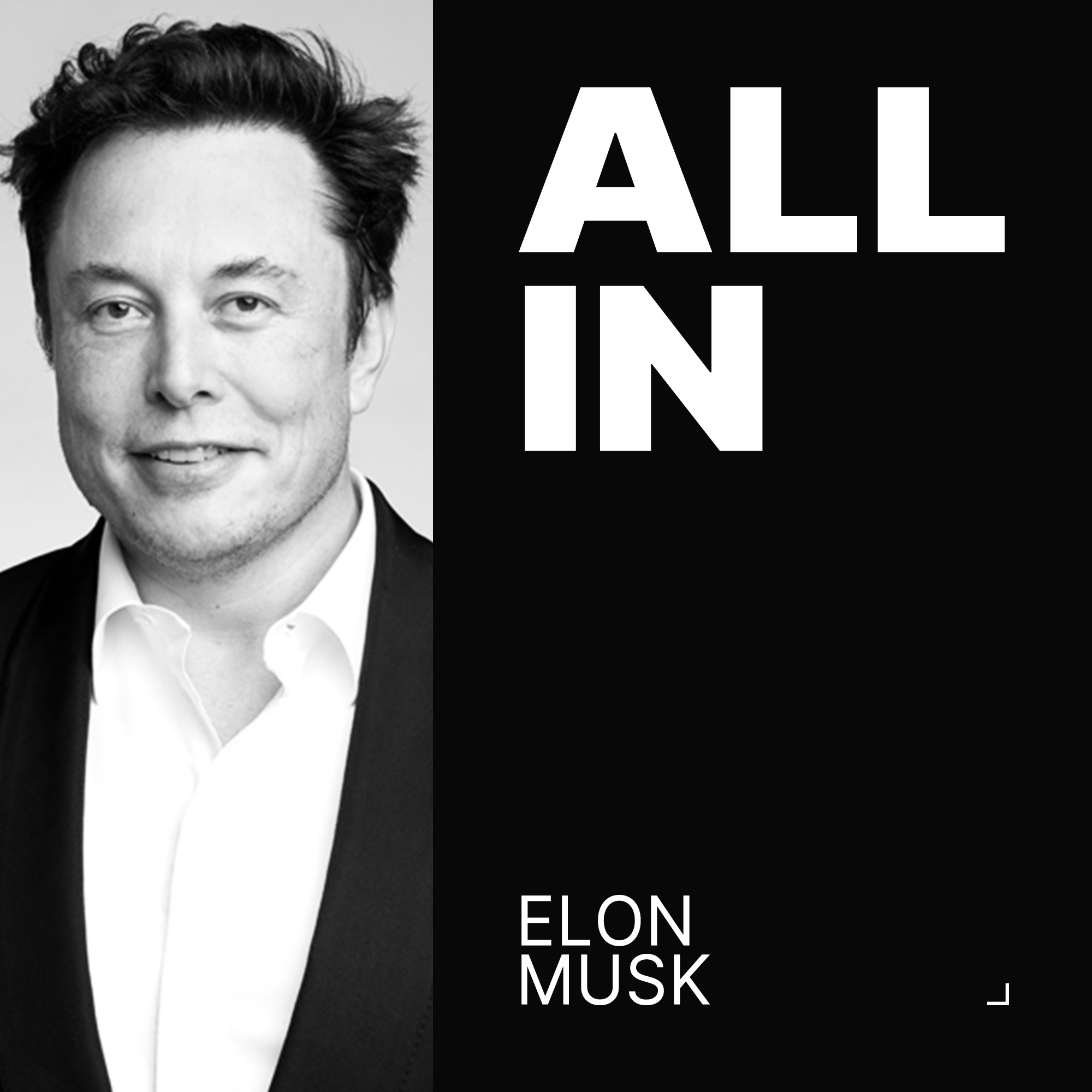
When releasing the "Twitter Files," Musk didn't curate or filter information. He gave investigative journalists direct, unfettered access to Twitter's internal systems, emails, and databases without looking over their shoulders, allowing them to report their findings independently.
Related Insights
Dara Khosrowshahi credits Barry Diller with teaching him a vital leadership tactic: go directly to the source. The higher you get, the more information is filtered by the organization. To avoid disastrous errors of judgment, leaders must actively fight this curated information flow and seek raw data from front-line employees.

Elon Musk explains that shadow banning isn't about outright deletion but about reducing visibility. He compares it to the joke that the best place to hide a dead body is the second page of Google search results—the content still exists, but it's pushed so far down that it's effectively invisible.
Musk clarifies his goal for X was to restore balance from what he perceived as a 'far left' ideology. The operating principle is to adhere strictly to a country's laws without imposing additional ideological constraints, aiming for a centrist public square.

By owning both the launch capability (SpaceX) and the network (Starlink), Musk could exert ultimate control over internet infrastructure. This creates a scenario where he could deny network access to rivals, like OpenAI, representing a powerful and unprecedented form of vertical integration.

A core principle for maintaining journalistic integrity is to treat access as a liability ("poison") rather than an asset. By operating without a dependency on privileged information from powerful sources, a journalist can maintain an independent viewpoint. Paradoxically, this very independence often makes them more attractive to sources, thus increasing access over the long term.

Elon Musk founded OpenAI as a nonprofit to be the philosophical opposite of Google, which he believed had a monopoly on AI and a CEO who wasn't taking AI safety seriously. The goal was to create an open-source counterweight, not a for-profit entity.
Effective leadership in a fast-moving space requires abandoning the traditional org chart. The CEO must engage directly with those closest to the work—engineers writing code and salespeople talking to customers—to access unfiltered "ground truth" and make better decisions, a lesson learned from Elon Musk's hands-on approach.
Elon Musk discovered extreme corporate waste after acquiring Twitter, including paying for software to analyze pedestrian traffic in an abandoned building and supplying tampons to the men's restroom in that same building for years.
Companies with an "open by default" information culture, where documents are accessible unless explicitly restricted, have a significant head start in deploying effective AI. This transparency provides a rich, interconnected knowledge base that AI agents can leverage immediately, unlike in siloed organizations where information access is a major bottleneck.
Musk's decisions—choosing cameras over LiDAR for Tesla and acquiring X (Twitter)—are part of a unified strategy to own the largest data sets of real-world patterns (driving and human behavior). This allows him to train and perfect AI, making his companies data juggernauts.
