Get your free personalized podcast brief
We scan new podcasts and send you the top 5 insights daily.
When A16Z allegedly lowered its verbal offer for Uber's Series B, Travis Kalanick had to go back to all other interested investors. This caused a loss of credibility and momentum, making the process "super awkward and weird" and forcing a complete reset of the auction.

Related Insights
In early fundraising rounds, the "signal" from having a top-tier investor on the cap table is more valuable than optimizing for a slightly higher valuation. This signal builds credibility that makes subsequent fundraising rounds significantly easier, a long-term benefit many founders overlook.
The power dynamic is shifting, with founders now conducting due diligence on VCs by asking their portfolio founders how they behaved during tough times. Investors who were unhelpful, absent, or pushed for unfavorable terms are developing a negative reputation that impacts their ability to win competitive deals.
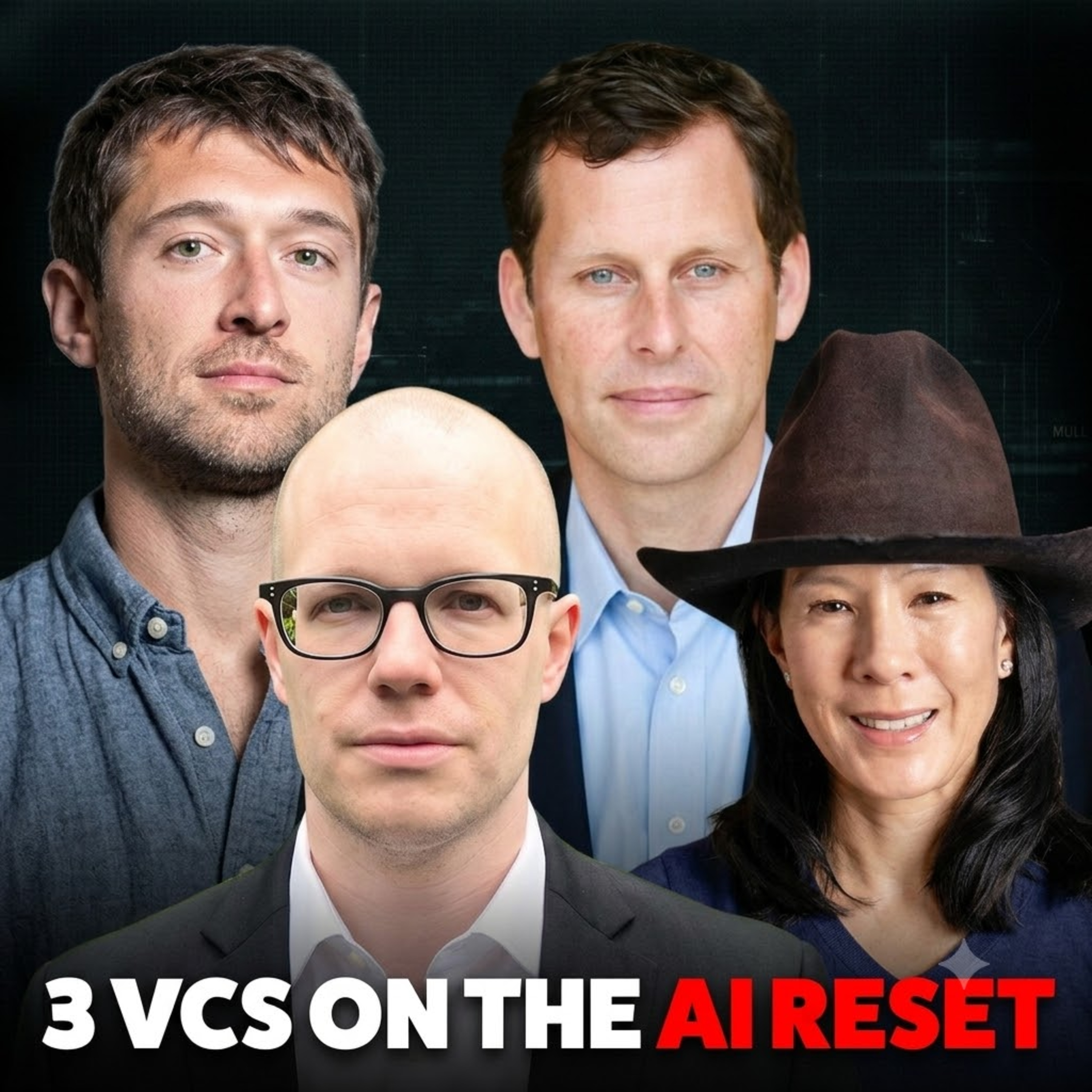
Ben Horowitz describes passing on Uber's Series B as "torture." For the next decade, he faced constant reminders of the missed opportunity from Travis Kalanick, creating a relationship of mutual respect but also a "cool tension" that underscored the massive consequences of the decision.
Kalanick created a competitive fundraising dynamic by telling investors the price was "at least X" and then increasing that floor with each subsequent meeting. This "winner-takes-all auction" forces VCs to act quickly and aggressively, preventing them from meeting in the middle.
After botching a fundraise by shopping a term sheet, Flexport's founder received a much lower offer. He confessed to his existing investor, Peter Thiel, who then offered a higher valuation than the new low offer, demonstrating steadfast support for a founder in a moment of weakness.

Investors can be non-committal. To cut through ambiguity, founders must create a forcing function by directly asking for the term sheet. If the investor stalls or deflects, it's a negative signal, and the founder should move on.
Investors often try to engage founders before a formal fundraising process begins to "get to know you." However, Jack Altman advises that unless an investor presents a concrete term sheet, these early conversations are merely attempts to control the process on their timeline. A true preemption is an offer, not a meeting.
Mark Zuckerberg initially agreed to sell Facebook to Yahoo for $1 billion. However, after Yahoo's stock dipped, CEO Terry Semmel cut the offer to $800 million. This act of renegotiation destroyed Zuckerberg's trust in Yahoo as a partner, causing him to reject the deal even after the original $1B offer was restored.

Investors like Reid Hoffman see the fundraising negotiation not as a zero-sum game, but as a crucial test of a founder's character, realism, and suitability as a long-term partner. Unreasonable or unrealistic demands, even in a hot deal, are a negative signal that can kill an investment.
The VC ecosystem is a powerful rumor mill. Peterson recounts how after telling one fund he was pursuing other options, three other VCs he was in talks with called him within an hour, having already heard through backchannels that he'd supposedly 'picked a lead.'