Get your free personalized podcast brief
We scan new podcasts and send you the top 5 insights daily.
Kalanick created a competitive fundraising dynamic by telling investors the price was "at least X" and then increasing that floor with each subsequent meeting. This "winner-takes-all auction" forces VCs to act quickly and aggressively, preventing them from meeting in the middle.

Related Insights
Travis Kalanick believes that if a strategic activity like fundraising feels easy, "you messed up." An easy raise indicates you didn't push hard enough and left value on the table. Excellence requires going "all the way until it hurts" to maximize competitive advantage, rather than settling for a simple close.

When A16Z allegedly lowered its verbal offer for Uber's Series B, Travis Kalanick had to go back to all other interested investors. This caused a loss of credibility and momentum, making the process "super awkward and weird" and forcing a complete reset of the auction.
The first question in any fundraising or M&A discussion is always, 'What was your last round price?' An inflated number creates psychological friction and can halt negotiations before they begin. Founders should optimize for a valuation that allows for a clear up-round, not just the highest price today.

Valuations don't jump dramatically; they 'sneak up on you.' An investor might balk at a $45M cap when they expected $40M. But the fear of missing a potential unicorn is stronger than the desire for a slightly better price, causing a gradual, batch-over-batch inflation of valuation norms.

Anthropic's massive new valuation isn't just a reflection of its success. It's a strategic financial maneuver by late-stage investors to 'anchor' a high price in the market's perception, aiming to maximize value when the company eventually goes public.

Travis Kalanick reveals Uber treated fundraising as a systematized operation, not a discrete event. They ran four rooms in parallel for different check sizes and used a dynamic book-building process to optimize pricing. This turned capital acquisition into a scalable machine, making it a strategic weapon in their "capital wars."
In hyper-competitive, winner-take-all markets like ride-sharing or AI, Kalanick argues that the ability to attract capital is itself a core competency and strategic weapon. Being the best at fundraising is as critical as having the best product, as capital enables scale and endurance against rivals.
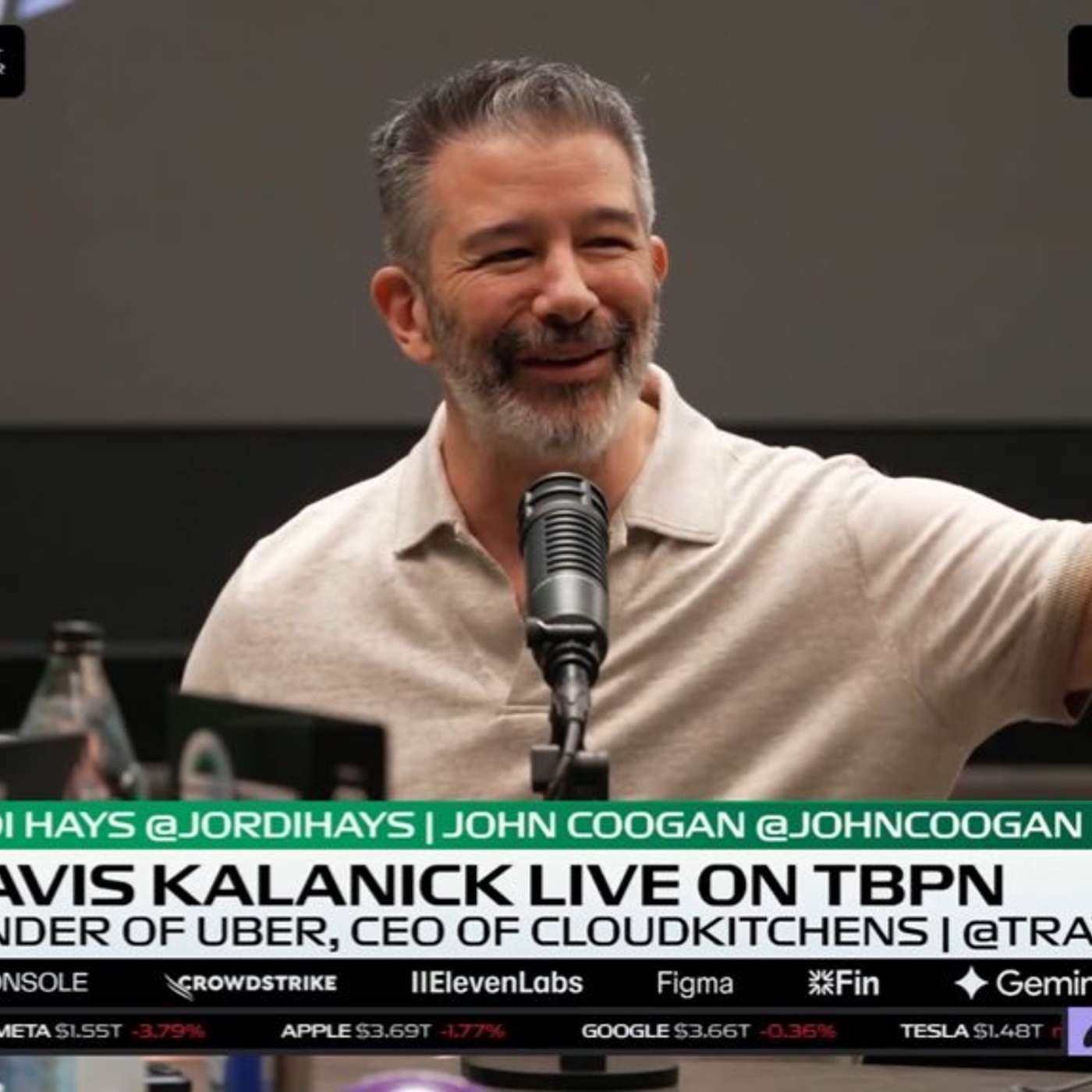
In capital-intensive markets like AI, capital is a competitive weapon. If fundraising feels easy, it's a signal you weren't aggressive enough. Kalanick's philosophy suggests you should have pushed for a much larger round to create a significant moat against competitors, treating capital as a strategic advantage.
For mega-rounds, Uber ran a highly systematized process with four parallel rooms for different check sizes, from $25M to over $250M. It used an auction-like model, asking investors for bids at various valuations to build a demand curve and optimize pricing, treating fundraising like a scalable product.
In competitive, capital-intensive markets like AI, if fundraising feels easy, it is a signal that you did not push hard enough to secure a larger, more decisive war chest than your rivals.