Get your free personalized podcast brief
We scan new podcasts and send you the top 5 insights daily.
Investors can be non-committal. To cut through ambiguity, founders must create a forcing function by directly asking for the term sheet. If the investor stalls or deflects, it's a negative signal, and the founder should move on.

Related Insights
Founders can accurately gauge an investor's future helpfulness by their actions during the pre-investment courtship phase. If an investor is unwilling to provide value when they are most motivated to win the deal, they are unlikely to be a helpful partner later on.
![Jesse Zhang - Building Decagon - [Invest Like the Best, EP.443] thumbnail](https://megaphone.imgix.net/podcasts/2cc4da2a-a266-11f0-ac41-9f5060c6f4ef/image/7df6dc347b875d4b90ae98f397bf1cb1.jpg?ixlib=rails-4.3.1&max-w=3000&max-h=3000&fit=crop&auto=format,compress)
For a seed investor, the most critical downside protection isn't a legal term in a document, but the implicit guarantee that the founder will never quit. This psychological commitment is the ultimate, unwritten liquidation preference.

Early-stage startups can't afford to be strung along by enterprise prospects. The goal isn't just to close deals, but to get feedback quickly. Founders must design a sales process that forces a decision, because a "long maybe will kill you." It's better to get a fast "no" and move on.

Founders should press VCs on how they specifically envision working together. A strong investor can articulate a nuanced plan tailored to the team's unique needs and the founder's working style, moving beyond a generic menu of services to show true alignment and understanding of the business's goals.
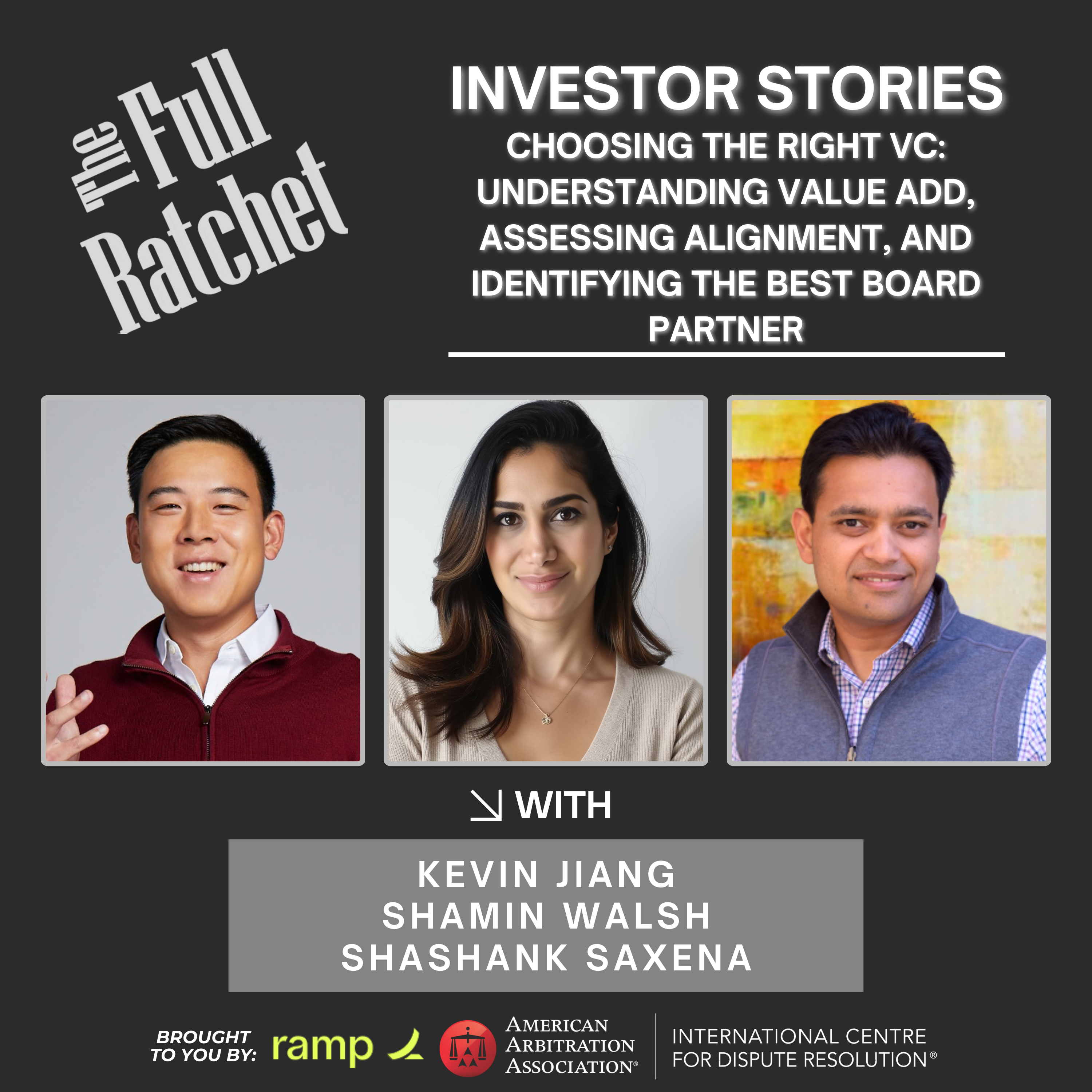
To predict the future health of a partnership, intentionally have difficult conversations before any investment is made. If you can't productively disagree or discuss serious problems before you're formally linked, it's highly unlikely you'll be able to do so when the stakes are higher post-investment.

Before investing time to create a perfect offer, secure a conditional commitment by asking, 'If I can deliver on these specific things we've discussed, do we have a deal?' This tactic prevents the prospect from backing out to 'think about it' and ensures your efforts are aligned with a committed buyer.

Investors like Reid Hoffman see the fundraising negotiation not as a zero-sum game, but as a crucial test of a founder's character, realism, and suitability as a long-term partner. Unreasonable or unrealistic demands, even in a hot deal, are a negative signal that can kill an investment.
Prospects often express interest to gather information but lack a commitment to solve the problem. Sellers must differentiate by probing for concrete timelines and stakeholder involvement to avoid chasing deals that won't close, rather than hoping to convert interest into commitment on the call.
Effective negotiation avoids getting bogged down in details initially. Instead, focus on reaching a high-level agreement on five key pillars: valuation, capital structure, governance, strategy, and exit plan. Only after this framework is set should you dive into the details.

Asking "Would you buy this?" is too easy. A true signal of interest comes when a potential customer commits something of value: time as a design partner, an introduction to investors, or signing a letter of intent. These actions have a cost, making their "yes" meaningful.
