Get your free personalized podcast brief
We scan new podcasts and send you the top 5 insights daily.
While AI tools reduce the cost of creating game assets, Roblox's CEO argues this won't change the competitive dynamics. He believes consumer expectations for quality and polish increase at the same pace as the technology's capability, keeping the bar for success perpetually high.

Related Insights
As AI makes it easy to generate 'good enough' software, a functional product is no longer a moat. The new advantage is creating an experience so delightful that users prefer it over a custom-built alternative. This makes design the primary driver of value, setting premium software apart from the infinitely generated.

When everyone can generate content with AI, the basic version becomes table stakes. The new competitive edge comes from creating advanced agent workflows, such as a "critic agent" that constantly evaluates and improves output against specific quality metrics.

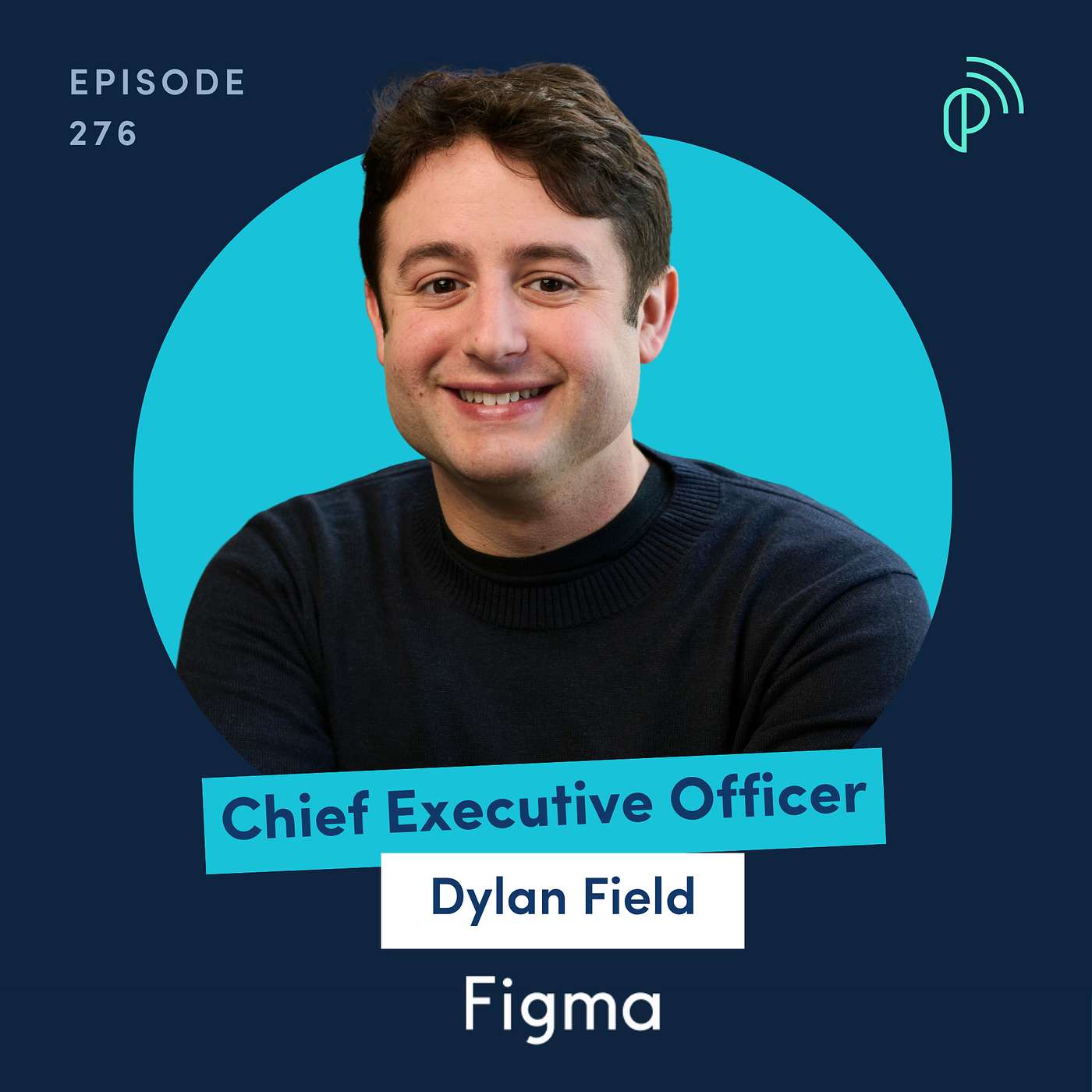
Figma CEO Dylan Field argues that while AI can quickly generate "good enough" results, this baseline is no longer sufficient. As AI floods the market with generic software and designs, true differentiation will come from human-led craft, taste, and pushing beyond the initial AI output.
AI tools like Google's Genie can generate game worlds, but they don't threaten established platforms like Roblox and Fortnite. The real moat for these incumbents isn't content creation but their massive, engaged user networks, in-game economies, and robust multiplayer infrastructure, which are difficult to build from scratch.

Roblox CEO Dave Baszucki maintains a two-decade-old vision of building a "holodeck." This long-term, stable goal allows the company to frame new technologies like AI as powerful tools to accelerate that vision, rather than as disruptive forces that require a strategic pivot.
As AI accelerates software development, basic functionality becomes table stakes. Figma's CEO contends that differentiation and winning now depend entirely on design, craft, and a strong point of view, as 'good enough' products will no longer succeed.
The flood of AI-generated assets isn't a new problem but an amplification of an old one. It simply highlights that much of human-created content was already mediocre. AI removes resource barriers to production, making "taste" and "quality judgment" the true differentiators—skills that are now more valuable than ever.

An AI CEO predicts that within two years, AI tools will make content creation instantaneous and nearly free. This will destroy traditional moats like audience loyalty and production quality, as anyone can generate photorealistic content. The market will shift focus from the creator to the individual content piece.

As AI lowers the barrier to creating functional software, "good enough" products become mediocre. To stand out, companies must differentiate through superior design, craft, brand, and storytelling, moving the competitive battleground "up the stack" to more subjective, human-centric values.

The era of winning with merely functional software is over. As technology, especially AI, makes baseline functionality easier to build, the key differentiator becomes design excellence and superior craft. Mediocre, 'good enough' products will lose to those that are exceptionally well-designed.