Get your free personalized podcast brief
We scan new podcasts and send you the top 5 insights daily.
President Erdogan's alleged court-backed maneuver to replace a formidable opposition leader with a more manageable one backfired. The ousted leader, Ozel, formed a new party that quickly attracted defectors and voters, creating a more dynamic and potent political threat than the one Erdogan sought to neutralize.

Related Insights
When a political movement is out of power, it's easy to unify against a common opponent. Once they gain power and become the establishment, internal disagreements surface, leading to factions and infighting as they debate the group's future direction.

Targeting a regime's leader, assuming it will cause collapse, is a fallacy. Resilient, adaptive regimes often replace the fallen leader with a more aggressive individual who is incentivized to lash back simply to establish their own credibility and power.

The most potent threat to an authoritarian regime comes not from visible dissidents, who are often neutralized, but from patriotic loyalists within the system. These insiders believe the current leadership is corrupt and harming the country, making their patriotism a powerful tool that can be turned against the regime.

The contemporary threat to democracy isn't a violent overthrow. It's a gradual erosion of neutral institutions like courts, media, and electoral commissions by leaders who were democratically elected, a model pioneered by Hungary's Viktor Orbán.

Turkey's President Erdoğan is strategically leveraging his country's geopolitical importance—as a mediator and key NATO ally amid regional conflicts—to distract from domestic problems like inflation and his crackdown on political opposition. This makes Western allies overlook his autocratic excesses to keep Turkey on their side, providing him more room for domestic repression.
The old model of a censor red-penning articles is outdated. The new strategy, seen in Hungary and Turkey, involves the state helping political allies acquire newspapers and TV stations, thereby controlling the narrative at the ownership level.
Turkey's widespread arrests and legal challenges against the opposition CHP party are not signs of its weakness, but of President Erdogan's anxiety. He perceives the opposition as a stronger-than-ever electoral threat, prompting a severe crackdown born of his own political vulnerability ahead of the next elections.
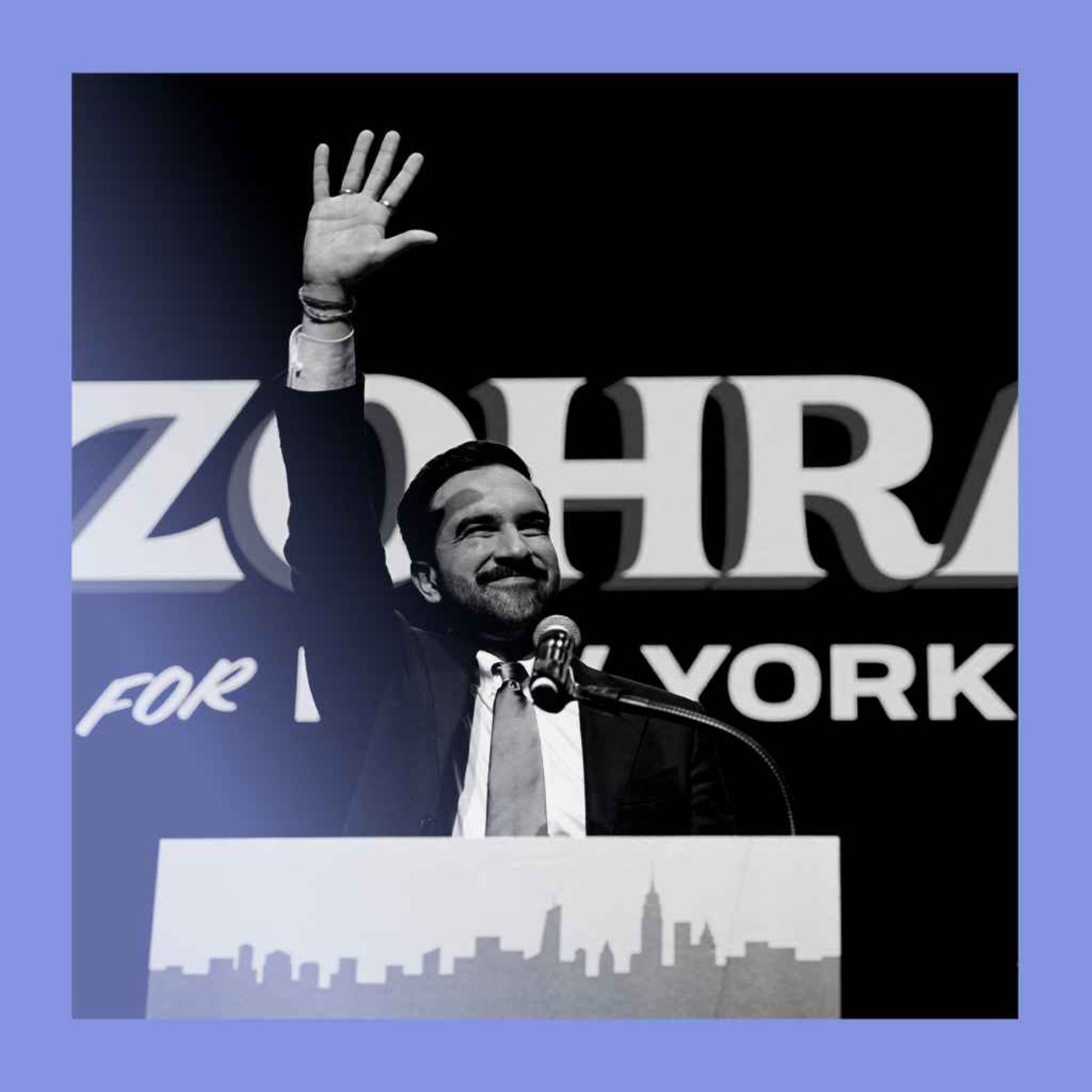
The main opposition party in Japan, a hasty merger of two established parties, failed spectacularly. Rather than creating a stronger force, the alliance muddled their identities and leadership structure, causing them to lose more than half their seats and alienate core supporters.
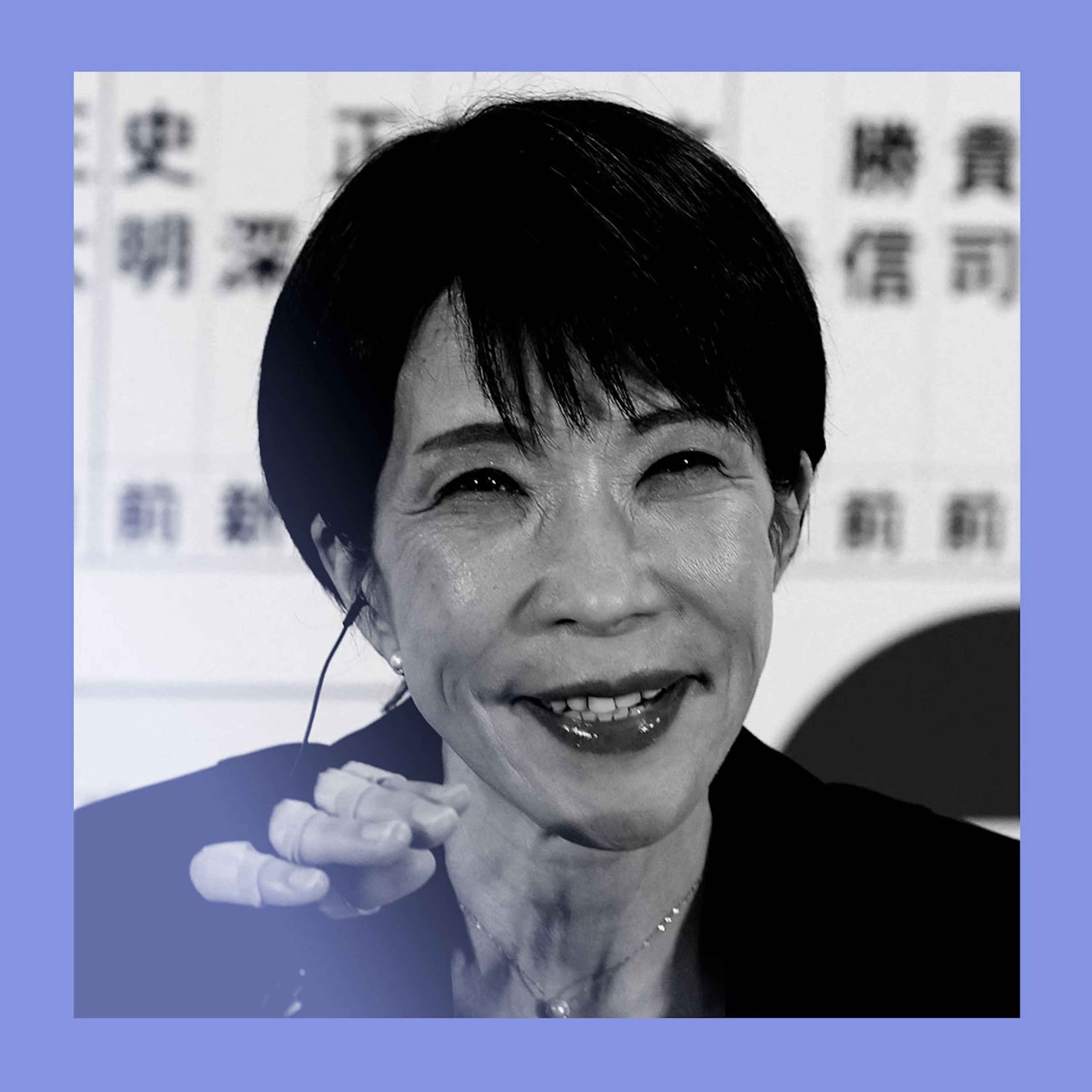
A dictator's attempts to consolidate power by purging potential rivals are counterproductive. This strategy creates a culture of fear where subordinates are too afraid to deliver bad news, isolating the leader from ground truth. This lack of accurate information increases the risk of catastrophic miscalculation and eventual downfall.

Turkey's President Erdogan may be grooming his son as a successor, but his own party's voters could reject a dynastic handover. These voters value the democratic legitimacy Erdogan earned by winning elections—a legitimacy his son lacks. This creates a paradox where an autocrat's power base opposes treating government as a family business.