Get your free personalized podcast brief
We scan new podcasts and send you the top 5 insights daily.
Traditional trial recruitment methods like phone calls or emails often favor desk workers and higher socioeconomic demographics. Text messaging provides a more equitable channel, as mobile phone and SMS usage for internet access dominates in lower socioeconomic quartiles, reaching a broader, more representative patient population.
Related Insights
For businesses heavily reliant on email, adding SMS marketing is not just an incremental improvement. Data from MailChimp shows that customers see a 16.5x ROI multiplier after launching their first SMS campaign. This demonstrates the immense value of communicating with customers across different channels where they are ready to engage.

Beyond traditional advisory boards, pharma companies can use compliance-approved social media listening tools to distill insights from unknown demographics, hard-to-reach geographies, and multiple languages. This budget-friendly method provides access to large amounts of real-world patient data and trends over time.
Before launching a major campaign, build a small, informal panel of prospects and customers you can text for quick feedback. This simple, low-cost method provides direct market validation, reduces the risk of failure, and strengthens the business case for new ideas internally.

Unlike private sector products that target specific demographics, government digital services must cater to an extremely diverse user base, including people with low income, no permanent address, and vast age differences. This necessitates a rigorous, non-assumptive approach to user research and accessibility from the outset.
Despite high costs and compliance hurdles, SMS can be a massive revenue stream, akin to email marketing 15 years ago. MarketBeat successfully leverages it for offers, finding a phone number is 5-10x more valuable than an email address.
Simple text reminders for medication adherence are common. The real opportunity is using two-way, AI-powered texting to create conversations that uncover the specific reasons (out of over 250 identified) why a patient might stop taking their medication, allowing for timely and personalized interventions.
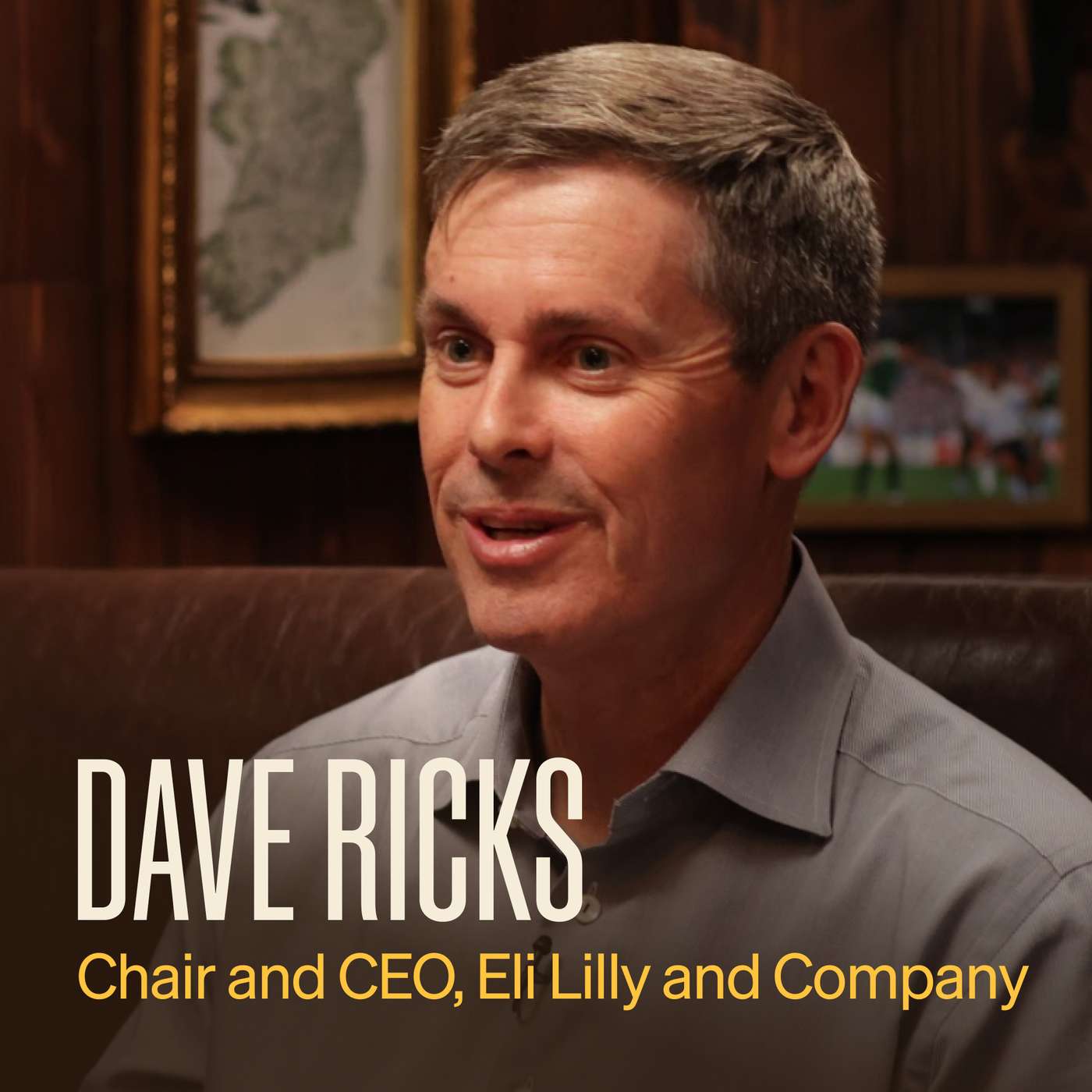
Eli Lilly ran the fastest-accrued Alzheimer's study in history by going direct-to-patient. This model, using televisits and centralized diagnostics, is highly effective for preventative medicines where motivated patients can be recruited online.
Counterintuitively, SMS marketing is becoming the preferred channel for complex, multi-step sales like insurance, solar, and real estate. These industries require relationship-building and drip messaging over time, a process that sales-tech platforms are now automating effectively via text message.
Healthcare providers invest heavily in patient portals and custom apps but struggle with adoption. The core problem isn't the app's design but the high friction of getting users to download and engage. Texting (SMS) bypasses this by leveraging the one universal communication app patients already have installed with notifications enabled.
The asynchronous nature of texting is a key advantage for patient support programs. Unlike a phone call that demands an immediate response and can lead to a frustrating busy signal, texting allows patients to engage on their own time. This low-pressure interaction model significantly reduces barriers and encourages more people to reach out.