Get your free personalized podcast brief
We scan new podcasts and send you the top 5 insights daily.
In a media landscape dominated by video, Blackbird Spyplane's deeply reported, text-only articles became some of their most widely shared work. This demonstrates that high-quality, in-depth written content can still find a large, engaged audience without needing a video or infographic component.

Related Insights
Instead of guessing what short-form content will resonate, identify existing long-form videos or articles with the highest engagement. Transcribe these proven winners and use AI to extract impactful clips, carousels, and tweets. This method leverages past success to increase the probability of future performance.

A16z discovered their most successful content wasn't market commentary ("are we in a bubble?") but timeless, practical guides like "Good Product Manager, Bad Product Manager." This type of actionable content provides enduring utility to the target audience (entrepreneurs), building a deeper, more trusting relationship than fleeting, topical chatter.

Contrary to the recent push for video-first strategies, Digiday data shows LinkedIn video views are declining. The platform is now oversaturated with video, causing a performance dip. This suggests marketers should diversify back to previously effective formats like carousels and text-with-image posts to stand out.

Despite competing with short-form content like TikTok, Ken Burns' long documentaries succeed because they are built on compelling storytelling. This challenges the myth of shrinking attention spans, suggesting instead that audiences demand more engaging content, regardless of its length.

Most communicators mistakenly focus on the medium (podcasts, TV, blogs). The most leveraged approach is to first craft an irresistible hook and a compelling story. True distribution power is achieved when an idea becomes so interesting that people cannot help but share it themselves.

Morgan Housel finds that the content that performs best is often basic and seems obvious to the writer. Readers resonate with ideas they already intuitively feel but have never seen articulated. This connection requires less mental bandwidth than processing a completely novel concept, leading to wider sharing.
![[REPLAY] Morgan Housel – The Psychology of Money (Capital Allocators, EP.155) thumbnail](https://static.libsyn.com/p/assets/f/b/7/6/fb76e1c8bfb69e8dd959afa2a1bf1c87/CA_Square_logo_light_background_6.26.24.jpg)
Ken Burns refutes the common complaint that attention spans are shrinking. He points to binge-watching culture—where viewers consume entire seasons of shows in a weekend—as definitive proof that audiences still have an appetite for deep, long-form content. He notes this panic is not new, citing the telegraph's arrival in the 1850s.

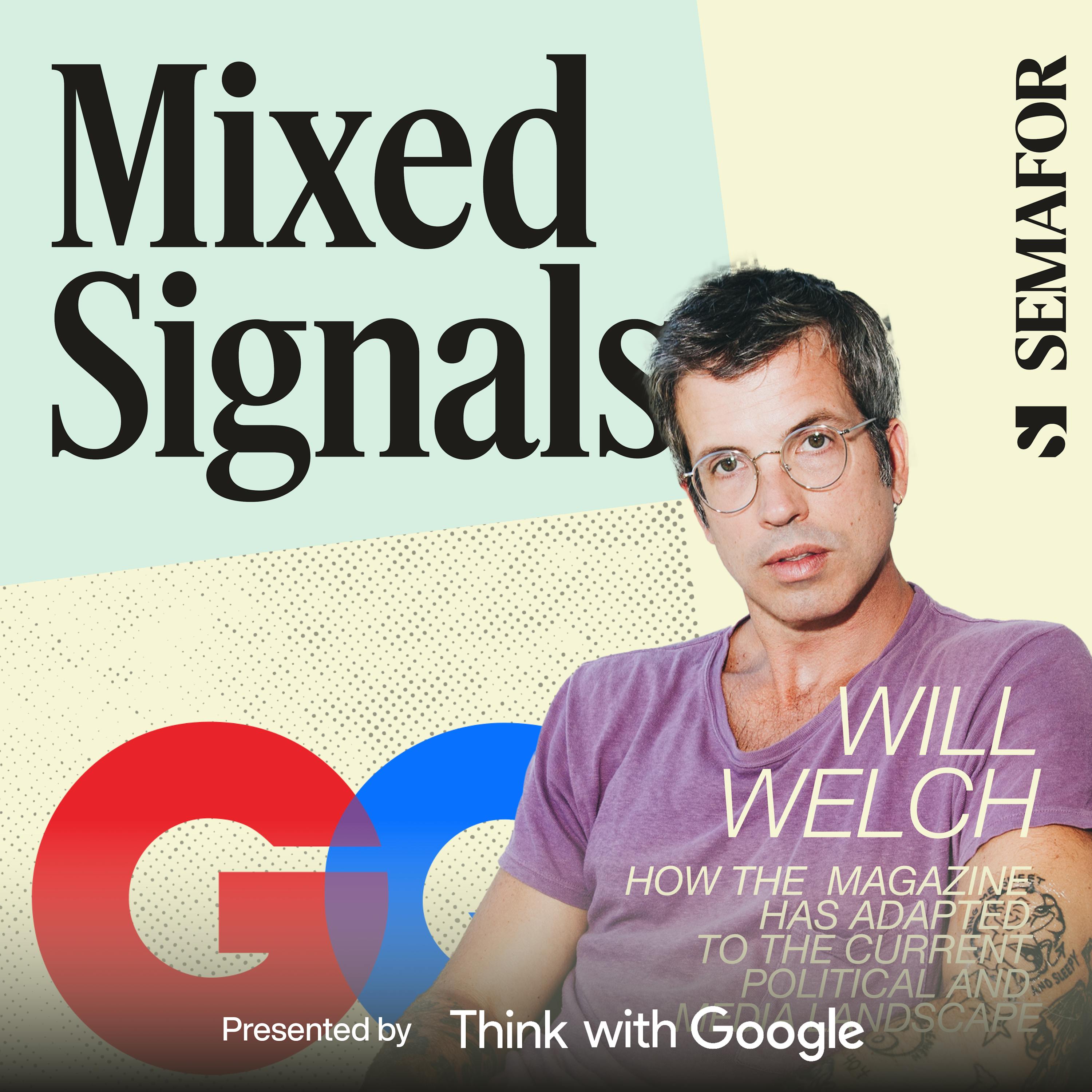
GQ's editor-in-chief argues that content engineered by triangulating audience data often fails to connect. Instead, stories originating from a single team member's genuine passion and excitement are what truly resonate with audiences, proving that in the current media landscape, authentic quality and a strong personal voice are paramount.
Personal newsletters are resurging as a sanctuary from the exhaustion of social media. Creators crave a space for deeper context away from performative platforms, while audiences seek intentional, high-value content that respects their attention, leading to a boom in personality-driven newsletters.

Despite declining viewership, legacy media institutions like The New York Times and Washington Post remain critical because they produce the raw content and shape the narratives that fuel the entire digital ecosystem. They provide the 'coal' that other platforms burn for engagement, giving them unrecognized leverage.
