Get your free personalized podcast brief
We scan new podcasts and send you the top 5 insights daily.
Poppy structures its marketing with an 80/20 split. 80% is planned against predictable retail and cultural calendars, while a crucial 20% is reserved for opportunistic, high-risk plays that tap into emerging trends with no guaranteed ROI. This framework enables agility and viral potential.

Related Insights
In today's fast-moving environment, a fixed 'long-term playbook' is unrealistic. The effective strategy is to set durable goals and objectives but build in the expectation—and budget—to constantly pivot tactics based on testing and learning.

By managing expenses maniacally 95% of the time, businesses earn the right to spend 'foolishly' the other 5% on extravagant, high-impact gestures. This creates memorable stories and deep loyalty that traditional marketing can't buy, while maintaining financial discipline.

Coming from product, Wiz's CMO sees marketing as liberatingly low-risk. A bad product feature creates permanent technical debt and maintenance costs. In contrast, a failed marketing campaign can be stopped instantly with no lasting negative impact, which encourages creative and unconventional experiments.

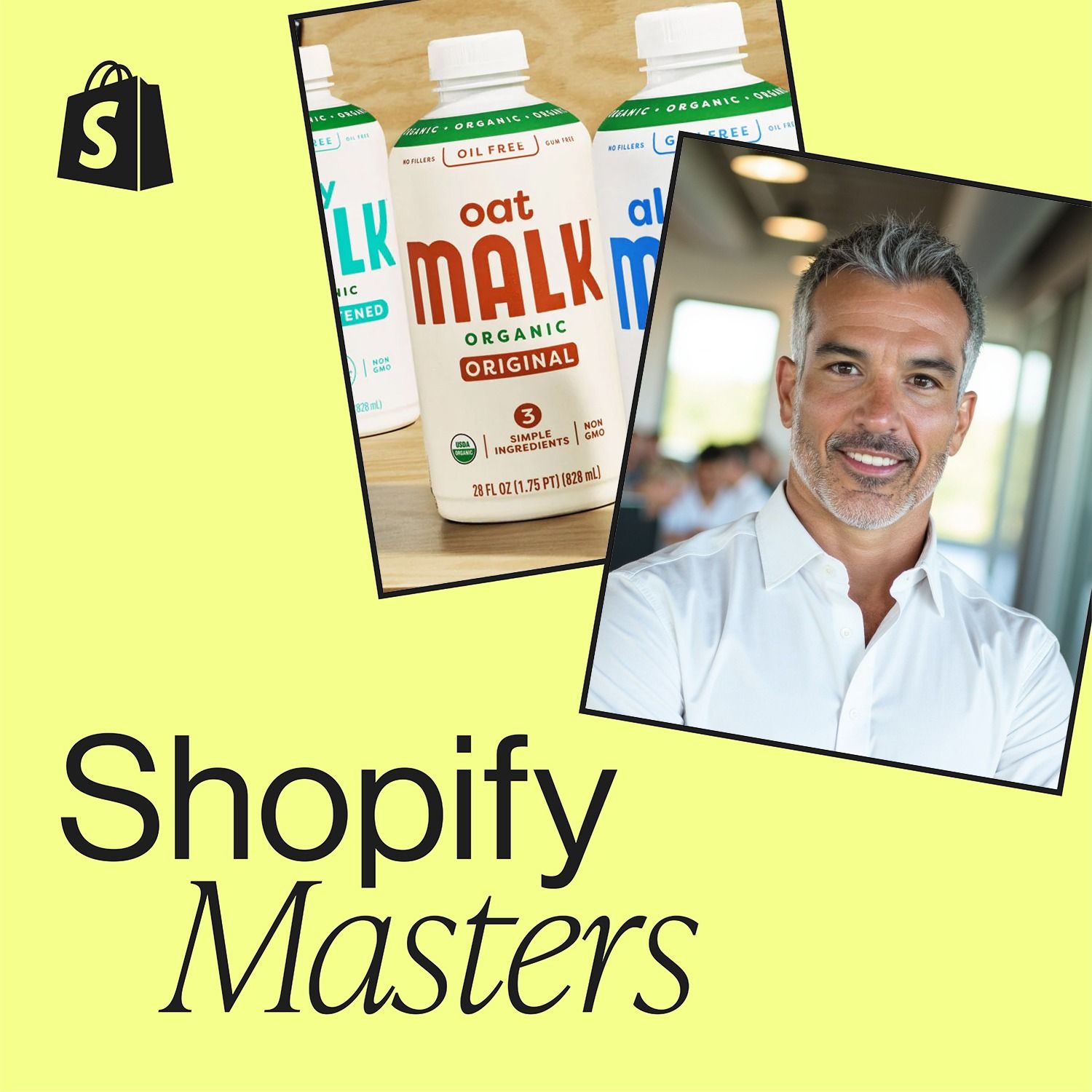
Malk's Erewhon smoothie partnership is a dual-purpose initiative. It generates direct revenue from product sales within Erewhon stores, providing a tangible ROI floor. This sales component de-risks the harder-to-measure brand awareness benefit from social media fame, making "gut feel" marketing decisions easier to justify and assess.
Leading marketers confidently invest in high-cost, low-measurability channels like billboards and physical books. They understand that reaching a concentrated target audience builds brand in a way that can't be captured by direct attribution but drives long-term pipeline.

This framework balances efforts: "Bonfires" are daily content; "Campfires" are smaller activations; and "Fireworks" are the one big, internet-breaking original moment per quarter. This structure helps teams balance reactive work with ambitious, proactive creative campaigns and allocate resources accordingly, as used by Zaria Parvez.
Tushy develops viral brand campaigns by filtering ideas through a critical lens: 'Would people outside this room actually care and talk about this?' They embrace a performance mindset, taking many 'shots on goal' to find ideas with true cultural resonance, even tracking metrics like 'post shares' in ad accounts.
To ensure continuous experimentation, Coastline's marketing head allocates a specific "failure budget" for high-risk initiatives. The philosophy is that most experiments won't work, but the few that do will generate enough value to cover all losses and open up crucial new marketing channels.
Instead of paying a continuous high retainer for PR, brands should deploy it in focused 'sprints' around specific story-worthy moments. This includes new product launches, funding announcements, or major partnerships, maximizing impact and ROI for the brand.
To balance execution with innovation, allocate 70% of resources to high-confidence initiatives, 20% to medium-confidence bets with significant upside, and 10% to low-confidence, "game-changing" experiments. This ensures delivery on core goals while pursuing high-growth opportunities.