Get your free personalized podcast brief
We scan new podcasts and send you the top 5 insights daily.
While high-end bathhouses thrive in space-constrained cities like New York, their model faces national scaling challenges. Outside of dense urban cores, the target customer can often afford to buy a personal sauna for the price of a few luxury visits, making the communal model a niche urban phenomenon.
Related Insights
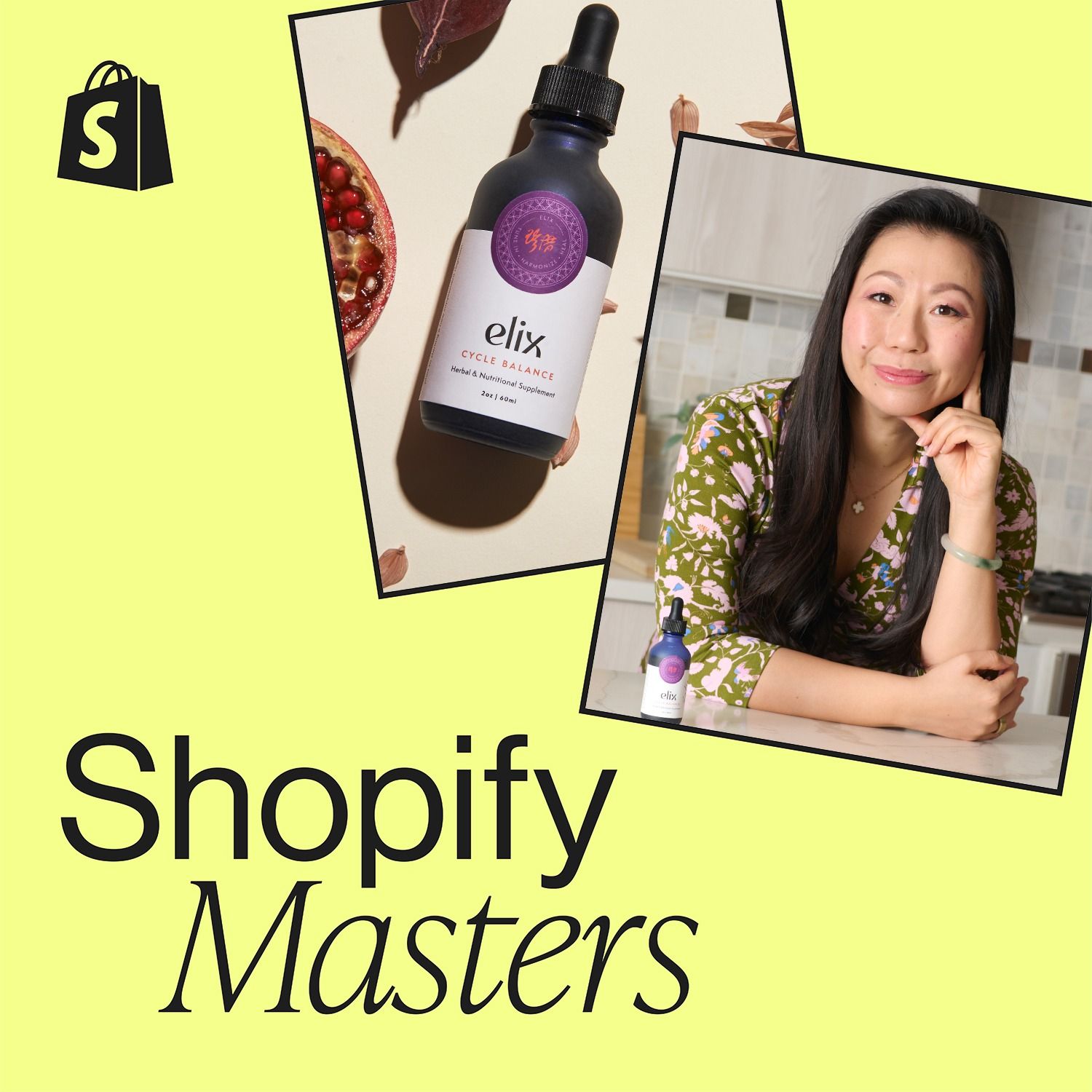
Elix founder Lulu Ge assumed her organic Chinese medicine brand would appeal to an urban, liberal demographic. Instead, she was surprised to find her highest-converting customers were from rural, non-coastal areas, highlighting the danger of demographic assumptions and the broad need for alternative health solutions.
Instead of hiring a large national sales team common in the beverage industry, De Soi takes a capital-efficient approach to on-premise sales. They build a playbook in one key market (LA) using brand ambassadors and contract workers, allowing them to scale without the massive overhead of a traditional sales force.

Instead of popular but saturated local services, focus on high-value, overlooked niches. Examples include smart home automation, closet organization, and garage renovation. These markets often have fewer competitors and high-value customers, presenting a significant opportunity.

Major metropolitan areas like NYC or LA are oversaturated. Growing 'Tier-2' cities have an influx of wealthy residents creating high demand for services, but often lack a sufficient supply of sophisticated providers. This creates a significant arbitrage opportunity for entrepreneurs leveraging modern marketing and AI.
David Chang explains that while food service is inherently unscalable, high-end, exclusive dining experiences are scaling. The scarcity, amplified by social media, creates massive demand and "cultural currency," allowing these unique businesses to expand and increase prices, creating a barbell effect in the market.

According to Y Combinator partners, the network effects and density of talent, capital, and customers in San Francisco are so powerful that being physically based there can double a startup's chances of reaching a billion-dollar valuation compared to other major tech hubs like New York.

While brands can create products with a sophisticated, coastal aesthetic (NY, LA), true scale comes from marketing that appeals to the "center of America." Tactics like cash-back raffles or product giveaways resonate strongly with this demographic and drive mass adoption.

Despite 70% of the market being controlled by HOAs, the advice is to focus on "scatter" individual homes. The HOA market is an auction where the lowest bid wins, destroying margins. By focusing on individual homeowners, the business can control its pricing, maintain higher margins, and avoid a race to the bottom.

Shower Spa first targeted the mobility-challenged market, establishing strong product-market fit with a clear need. This focused entry point, like Peloton's for serious cyclists, builds a loyal base before expanding into the broader luxury and wellness markets.

The current AI boom is uniquely concentrated within the city of San Francisco itself, rather than spread across the broader "Bay Area" or "Silicon Valley" like previous tech waves. This geographical clustering in a dense urban core has profound implications for the city's real estate, economy, and culture.
