Get your free personalized podcast brief
We scan new podcasts and send you the top 5 insights daily.
To excel at the highest level in both family and business, a founder made the conscious decision to completely eliminate the "third bucket" of life—social events, friend meetups, and trips. This ruthless prioritization is a necessary trade-off for A+ performance in core areas.

Related Insights
To run multiple deep-tech companies, Adcock made a radical decision five years ago to cut out all non-essential social activities, such as annual trips with friends. He dedicates his time strictly to his family and his companies, viewing this extreme focus as necessary for high performance.
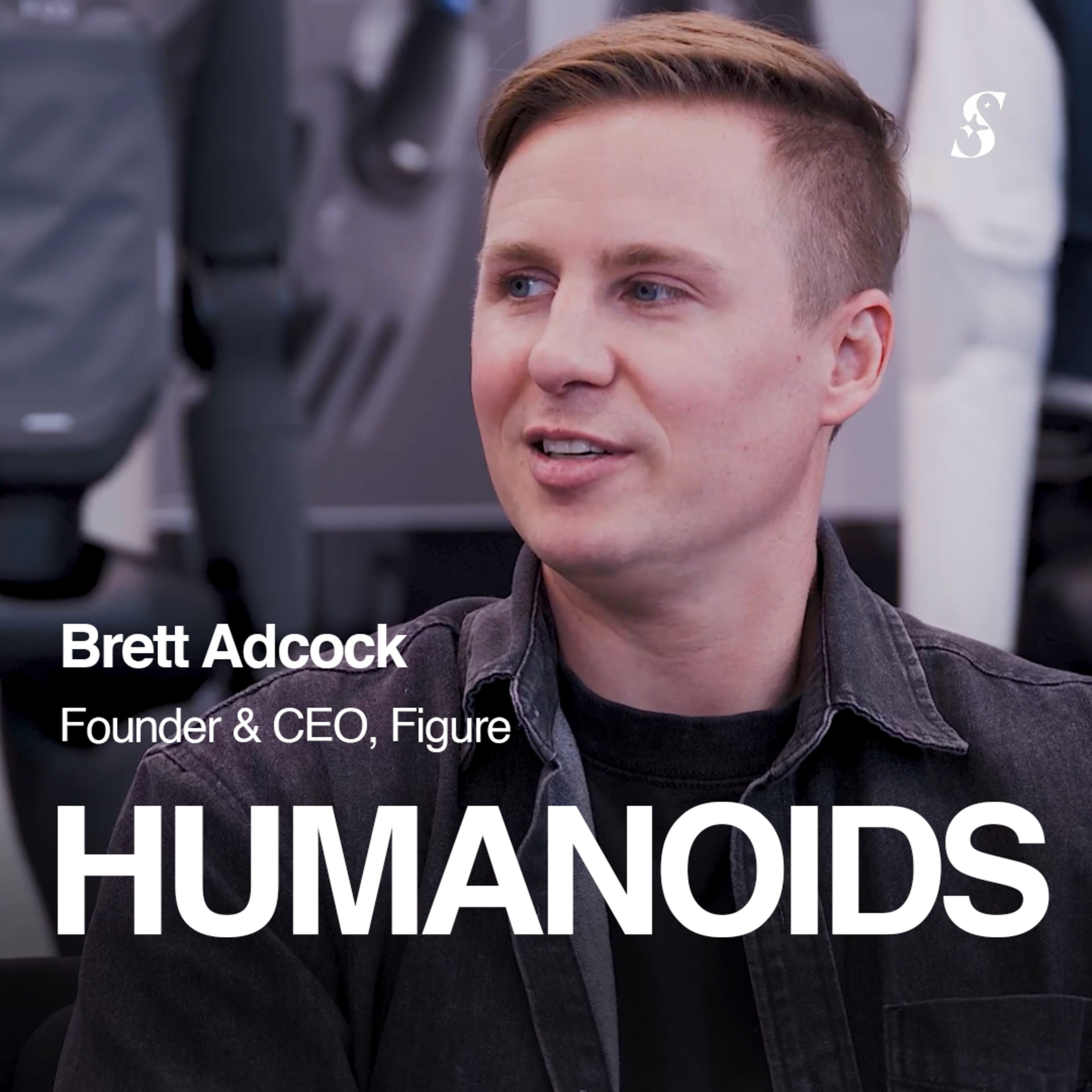
Founders must accept a lifestyle that excludes most social activities. The intense, shared mission of building a company fosters deep connections with colleagues that supplant traditional friendships. This sacrifice is a prerequisite for high-commitment entrepreneurship.

Conventional advice about work-life balance to avoid burnout is counterproductive for founders with extreme ambitions. Building a massive, venture-scale company requires a level of obsessive focus and sacrifice that is inherently unbalanced. For this specific phase of life, prioritizing the company above all else is necessary for success.

Founders often equate constant hustle with progress, saying yes to every opportunity. This leads to burnout. The critical mindset shift is recognizing that every professional "yes" is an implicit "no" to personal life. True success can mean choosing less income to regain time, a decision that can change a business's trajectory.

Achieving extraordinary results in a few key areas requires ruthlessly eliminating distractions and saying "no" to most things. Top performers often cultivate mundane, focused lifestyles that others would find boring.

When asked why he wasn't a billionaire, Mike Lazaro explained that achieving that level of wealth would have required sacrificing his presence at his kids' games and family dinners. Their family consciously 'drew the line,' choosing to be home by 6 p.m. instead of optimizing solely for money, a trade-off they believe was essential for a fulfilling life.

Despite his success, Matt Paulsen maintains a rigid boundary to protect his family life. Because his daughter requires significant attention, he systematically declines 2-3 evening event invitations per week, stating he'll be home with his kids, prioritizing being present during their childhood over networking.
As you become more successful, you face an increasing number of compelling opportunities and distractions. To protect the core activities that generated your success (e.g., reading, deep work), your ability to say "no" must grow even faster than your achievements.

The key differentiator for world-class performers isn't working more hours, but mastering energy management. They are ruthless at identifying and eliminating activities, relationships, and tasks that provide a low return on their energy, thereby optimizing their overall effectiveness.

Sami Inkinen credits his ability to perform at a high level as a CEO, athlete, and parent to finding liberation in focus. By saying "no" to 99% of "normal" activities, he can go all-in on the few things that truly matter, which he finds gratifying and fulfilling.
