Get your free personalized podcast brief
We scan new podcasts and send you the top 5 insights daily.
Sami Inkinen credits his ability to perform at a high level as a CEO, athlete, and parent to finding liberation in focus. By saying "no" to 99% of "normal" activities, he can go all-in on the few things that truly matter, which he finds gratifying and fulfilling.

Related Insights
Being a well-rounded 'jack of all trades' means you're not great at anything. The highest performers become 'tip of the spear' specialists. They identify the single activity that gives them energy and makes money, focus 80% of their time there, and deliberately ignore or outsource the rest.

To achieve rapid growth without burnout, ruthlessly prioritize. Stop doing 90% of tasks and focus exclusively on the few initiatives that have the potential to 10x your business. Treat your focus like a laser that can burn through obstacles, not a wide light that diffuses energy.

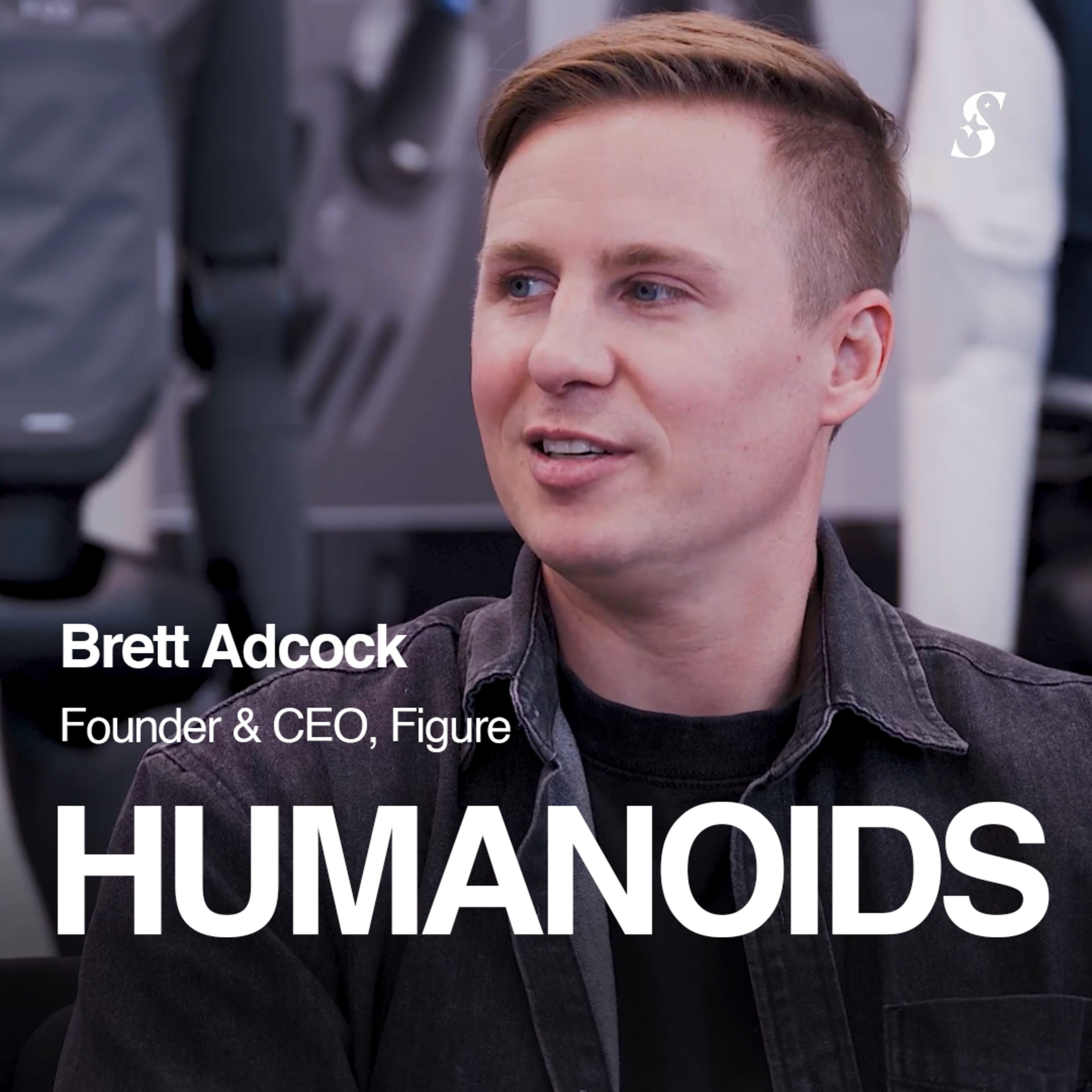
To run multiple deep-tech companies, Adcock made a radical decision five years ago to cut out all non-essential social activities, such as annual trips with friends. He dedicates his time strictly to his family and his companies, viewing this extreme focus as necessary for high performance.
The barrier to loving what you do isn't an impossible sacrifice. It’s a simple trade-off: giving up unproductive habits and distractions in exchange for a life you're passionate about. It's a matter of re-prioritizing, not a lack of capability.

Achieving extraordinary results in a few key areas requires ruthlessly eliminating distractions and saying "no" to most things. Top performers often cultivate mundane, focused lifestyles that others would find boring.

High-achievers who say 'yes' to every opportunity often dilute their focus and stretch themselves too thin. The power of 'no' is about creating efficiency to double down on existing commitments, which leads to more meaningful progress on primary goals.
In an era defined by notifications and multitasking, a founder's ability to block out all distractions for extended periods is a profound competitive advantage. This deep, rigorous focus allows them to solve complex problems at a level that is increasingly rare and valuable.

As a career progresses, the volume of good opportunities overwhelms any triage system. The only sustainable strategy is to shift to a "default no." This elevates unstructured thinking time to a currency more valuable than money, which must be fiercely protected to maintain high-quality output.

At scale, the biggest threat isn't a lack of opportunity but mental overload. The key is to treat your focus as a finite resource and actively protect it. This means becoming comfortable saying "I'm done for today" and disappointing people, realizing that protecting your mind is more strategic than satisfying every request.

Instead of striving for the "false notion" of balancing everything, focus on making conscious choices about where to invest your energy. This approach maximizes impact by accepting you can't do everything, but you can do a few things exceptionally well, preventing burnout and thinly spread efforts.
