Get your free personalized podcast brief
We scan new podcasts and send you the top 5 insights daily.
A branded, non-intimidating event like the "Suburban Triathlon" (e.g., walking, drinking beer, playing golf) appeals to an underserved market of out-of-shape, middle-aged men. This approach, focusing on social connection and achievable goals, could be the next Tough Mudder for this demographic.

Related Insights
An actionable strategy can dramatically improve a young man's prospects. By exercising three times a week, working 30+ hours out of the house, and socializing with strangers three times a month, one can achieve a level of proactivity and engagement that places them in the top 5% of their peers.

To combat golf's stuffy image, LIV integrates concerts, walk-up music, and a festival-like atmosphere into its events. This strategy successfully attracts a new, younger demographic—with 60% of attendees under 40—by turning a sports tournament into a broader cultural experience.
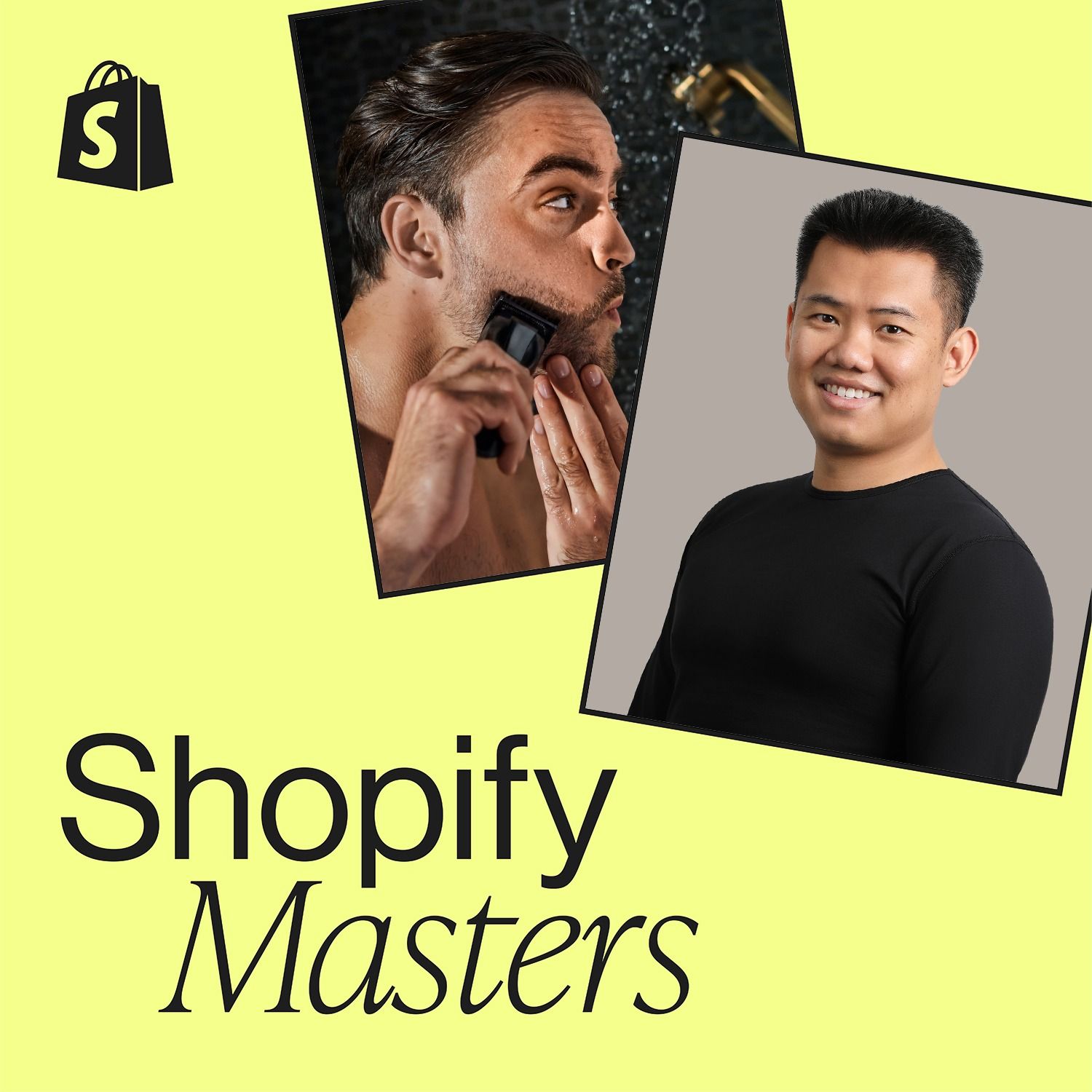
Manscaped deliberately selects influencers who represent an 'everyday man' rather than a polished, idealized masculine stereotype. This counter-positioning against industry giants helps them build a more relatable and authentic brand that redefines masculinity for a new generation.
Data from the Sports and Fitness Industry Association shows the fastest growing sports aren't mainstream ones. Niche activities like pickleball, alpine touring, and winter fat biking are seeing explosive growth. This points to underserved markets for specialized apparel, equipment, communities, and events.
There is no dominant, modern fitness brand for the 55+ demographic. A business could copy the successful playbook of boutique fitness classes (like Barry's Bootcamp) but adapt workouts for seniors, emphasizing balance, mobility, and community to fill this market gap.
Many established analog industries, like darts, lack a definitive digital platform for training and community. This creates a rare opportunity to not just build a product, but to digitally define an entire industry. The surprising youth of the darts audience (56% under 30) validates this approach, as they expect modern digital experiences.
Parkrun's success stems from its inclusive 'run, not a race' philosophy. By removing official course records and welcoming walkers and social participants, the event attracts a broad demographic that is often deterred by the competitive nature of traditional races, turning it into a social gathering.

Jason Calacanis argues that the ultimate differentiator for a health app like Tempo is connecting its online users to real-world events. Facilitating IRL run clubs or group sauna sessions transforms the product from a commoditized data utility into a valuable, sticky community and movement.
Parkrun, a weekly 5k run started by an individual, has unintentionally become a major UK public health success. It is three times more cost-effective than comparable formal schemes, demonstrating the power of community-driven initiatives that don't feel like a chore to participants.
To help people adopt healthier lifestyles, Lifetime focuses on making the first steps small, easy, and fun. The goal is to let people experience immediate positive feedback—like a "little bounce" from 10 minutes on a treadmill. This builds a habit loop, creating a positive "addiction" to feeling good, which is more powerful than focusing on a daunting long-term goal.
