Get your free personalized podcast brief
We scan new podcasts and send you the top 5 insights daily.
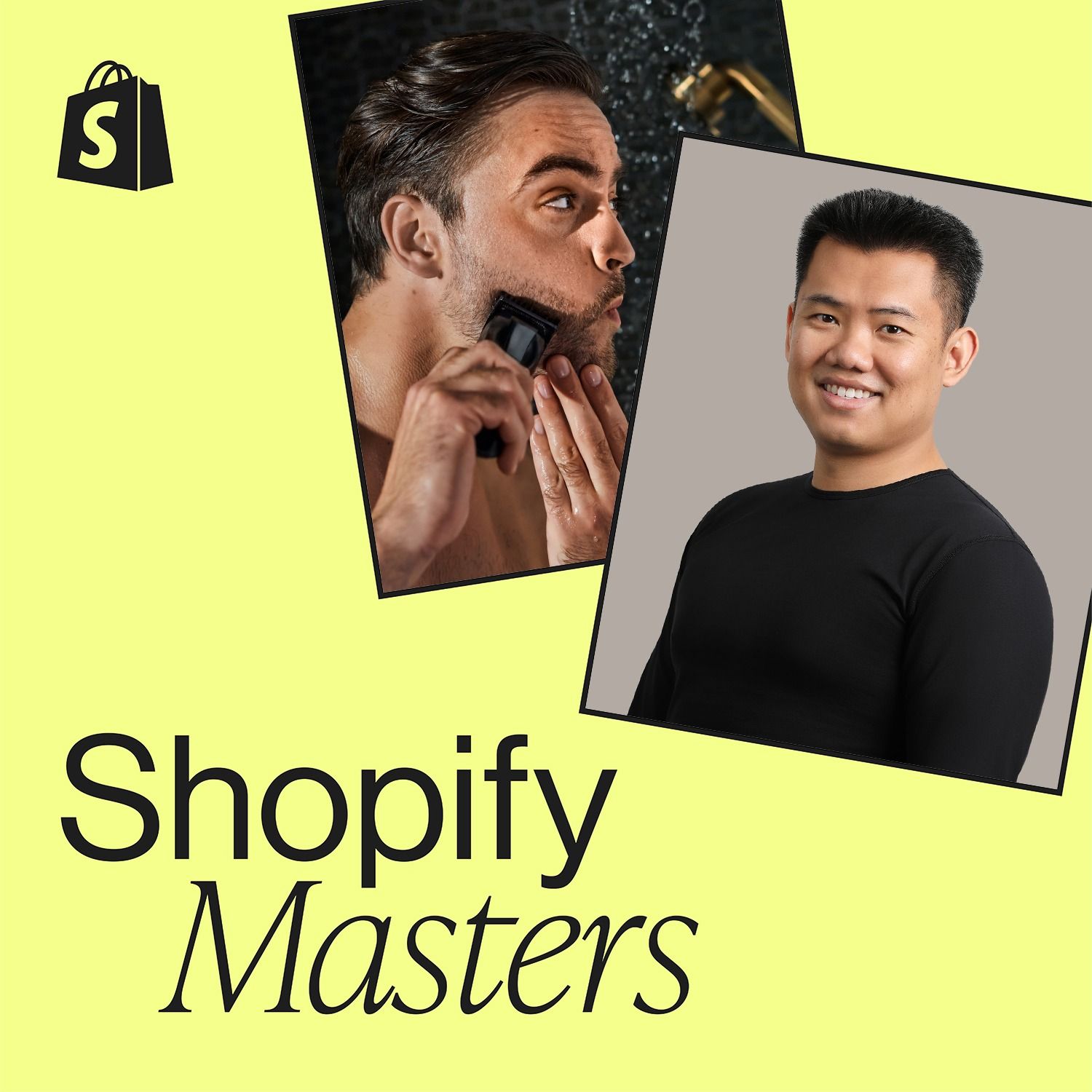
Manscaped deliberately selects influencers who represent an 'everyday man' rather than a polished, idealized masculine stereotype. This counter-positioning against industry giants helps them build a more relatable and authentic brand that redefines masculinity for a new generation.
Related Insights
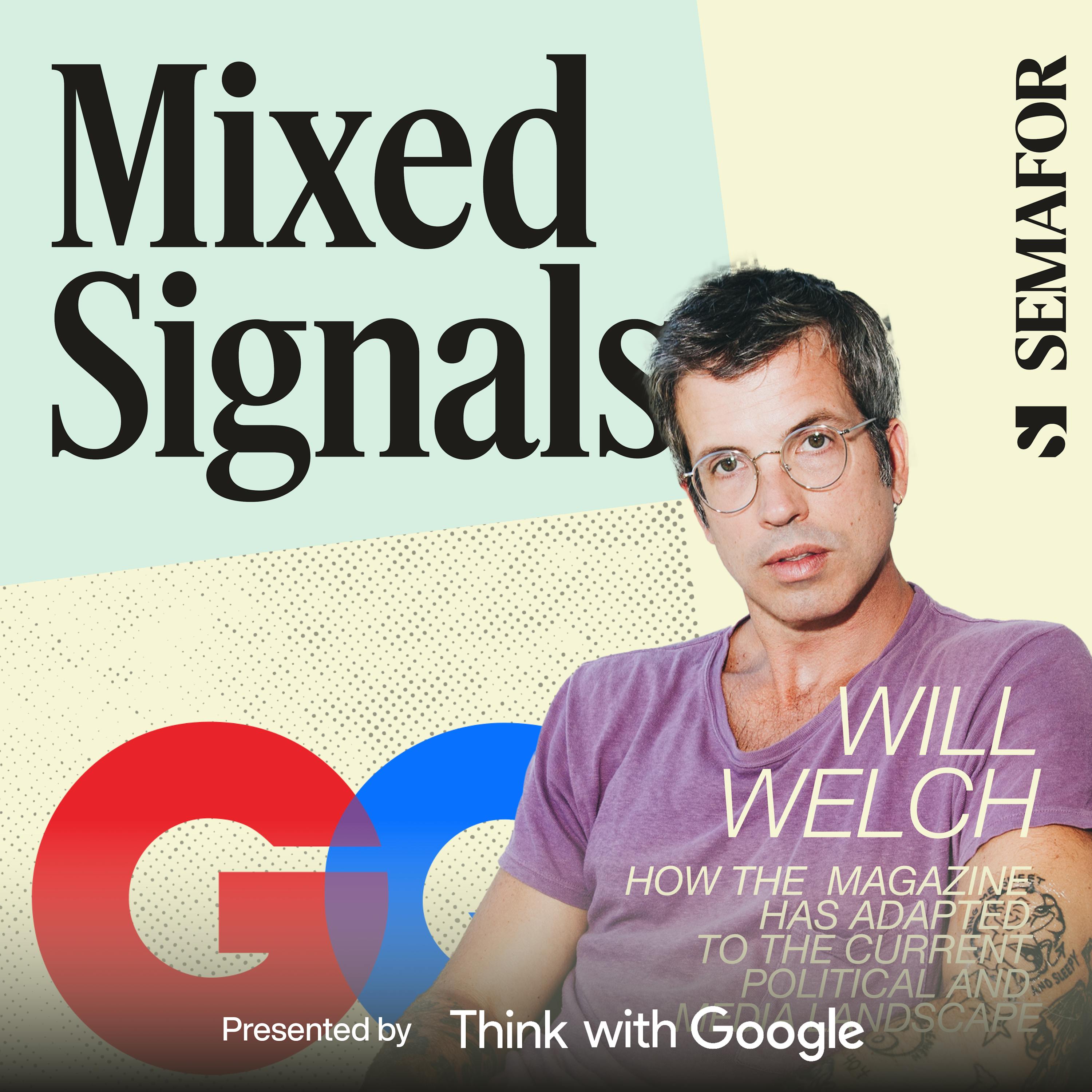
In an age of infinite content, GQ's editor argues that to achieve cultural impact and growth, brands must be concise, declarative, and essentially "niche." He repositioned GQ from a general men's magazine to the focused "global flagship of men's fashion" to seize a specific, powerful identity in a crowded market.
Contrary to the belief they worked with thousands of influencers, Gymshark's early strategy focused on a small, "handcrafted" group of the most revered athletes in fitness. This "depth over width" approach built credibility by associating the brand with top-tier talent rather than using a broad, spray-and-pray method.

Even in traditionally masculine sectors like heavy industry, adopting a neutral brand identity is a competitive advantage. Calcetra intentionally uses neutral language, colors, and fonts to avoid a 'heavily masculine' feel, which helps attract a more diverse talent pool by fostering a greater sense of psychological safety.

Key Opinion Leaders (KOLs) and creators are shifting from being brand partners to direct competitors. They leverage their audiences to launch their own products (e.g., Prime vs. Gatorade), posing a significant strategic threat to established CPG brands by bypassing traditional retail and marketing.

Gymshark's CMO explains their strategy is to be hyper-focused on their core gym audience, even if it alienates others. Quoting an article, he says the world needs more brands "willing to have enemies." This mindset prevents brand dilution and strengthens their identity by not trying to be everything to everyone.
The brand name 'Manscaped' was acquired by founder Paul Tran as part of his personal hobby of collecting domain names for future brands. This fortuitous acquisition, followed by massive branding investment, allowed the company to own the verb for the category, akin to Kleenex for tissues.
To attract a male audience without alienating its core female community, Poppy invested in partnerships with the Lakers and Fortnite streamers. Crucially, they kept this content off their primary social media feeds, allowing them to expand their audience in a segmented, non-disruptive way.
A brand that tries to please everyone is memorable to no one. To build a truly strong brand, you must be willing to be disliked by some. Intentionally defining who your customer is *not* and creating polarizing content sharpens your identity, fostering a passionate community among those who love what you stand for.

During the Me Too movement, GQ's editor identified that while the culture was demanding men change, it wasn't articulating a positive path forward. GQ's strategy was to provide constructive guidance on how men could evolve, filling a crucial gap in the conversation and demonstrating brand leadership on a sensitive topic.
As AI-generated content becomes commoditized, brands can differentiate by pledging authenticity. American Eagle's viral anti-AI post shows that a "digitally organic" approach—committing to real, un-retouched, human-centric content—resonates with consumers in the same way the organic food movement created a premium category for natural products.
