Get your free personalized podcast brief
We scan new podcasts and send you the top 5 insights daily.
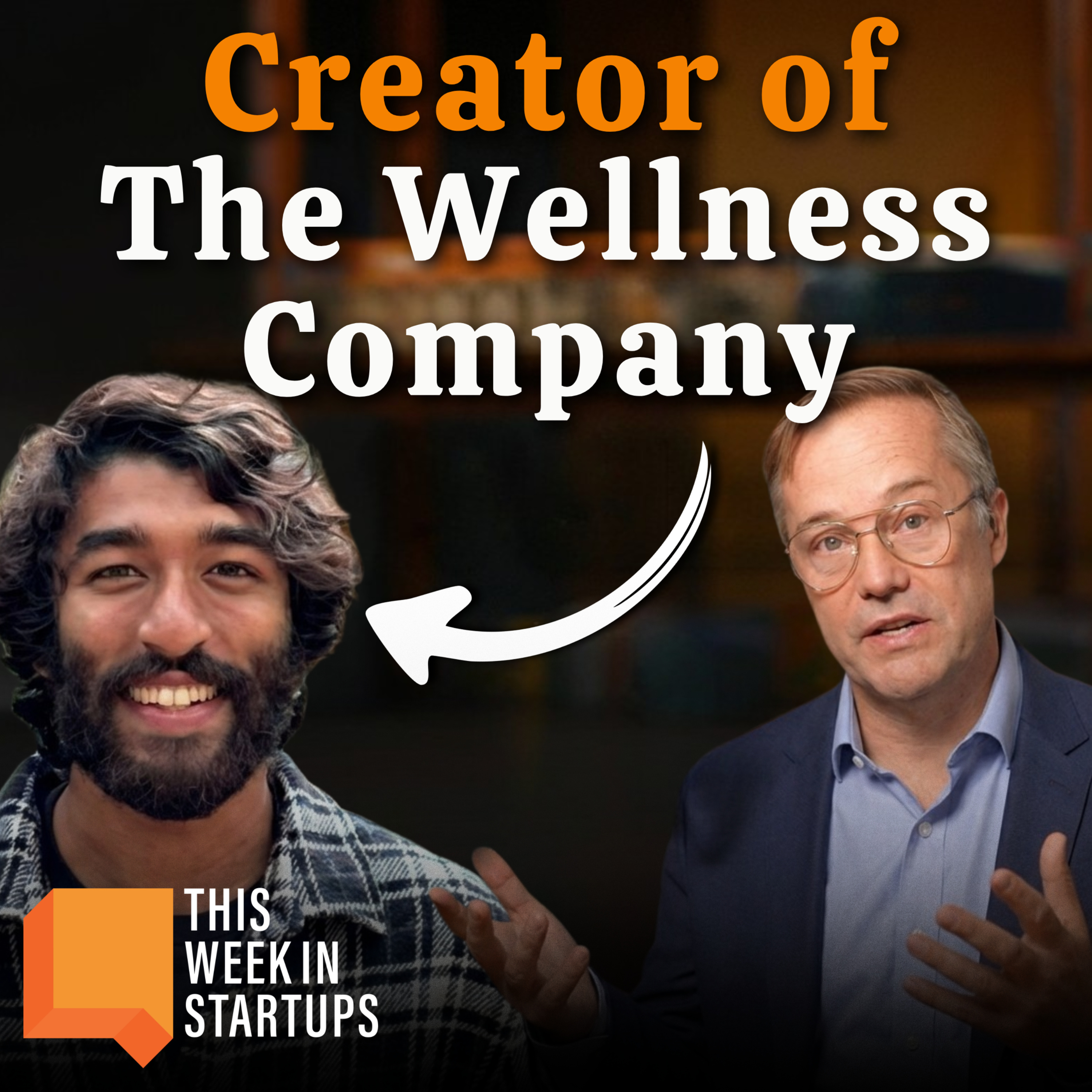
Jason Calacanis argues that the ultimate differentiator for a health app like Tempo is connecting its online users to real-world events. Facilitating IRL run clubs or group sauna sessions transforms the product from a commoditized data utility into a valuable, sticky community and movement.
Related Insights
For subscription services, the most effective moat isn't the software itself, which can be replicated, but the accumulated user data. Users are reluctant to switch apps because they would lose years of personal history, stats, and community connections, creating strong lock-in.
Before launching its main platform 'Tempo,' The Wellness Company first built niche apps for cold plunges, sun exposure, and posture. This strategy allowed them to test product-market fit within passionate, discrete communities before committing resources to a larger, unified health application.
The Tempo app moves beyond typical health dashboards by creating actionable 'protocols' to improve user compliance. The insight is that users don't just need more data; they need a system that helps them consistently perform health-improving behaviors, which is the core challenge in wellness.
While competitors focus on scalable AI and digital products, a significant, less-crowded opportunity exists in high-touch, in-person (IRL) experiences. This "anti-trend" approach creates a strong competitive moat and appeals to audiences fatigued by digital overload.

As AI and no-code tools make software easier to build, technological advantage is no longer a defensible moat. The most successful companies now win through unique distribution advantages, such as founder-led content or deep community building. Go-to-market strategy has surpassed product as the key differentiator.

The next wave of physical communities, or "startup societies," are being directly inspired by digital-native ideas. This moves beyond online forums to creating real-world spaces centered around specific innovations like biotech, education, or even intersections of culture like a "tech hip hop community."

Alexis Ohanian notes a cultural trend where younger generations are using run clubs as the new way to meet people, moving away from dating apps. These clubs provide a physical, real-world social dynamic that serves as a natural filter, a reaction against the burnout of purely digital "swipe culture."

As AI commoditizes technology, traditional moats are eroding. The only sustainable advantage is "relationship capital"—being defined by *who* you serve, not *what* you do. This is built through depth (feeling seen), density (community belonging), and durability (permission to offer more products).

With predictions that 90% of online content will be AI-generated by 2027, authentic human connection becomes the ultimate differentiator. Building a strong community through live streams, groups, and direct interaction is the only sustainable strategy to maintain trust.

In-person events create a powerful, hard-to-replicate competitive moat. While rivals can easily copy your digital products or content with AI, they cannot replicate the unique community, experience, and brand loyalty fostered by well-executed IRL gatherings.