Get your free personalized podcast brief
We scan new podcasts and send you the top 5 insights daily.
To combat golf's stuffy image, LIV integrates concerts, walk-up music, and a festival-like atmosphere into its events. This strategy successfully attracts a new, younger demographic—with 60% of attendees under 40—by turning a sports tournament into a broader cultural experience.
Related Insights
By having all players start simultaneously, LIV compresses a 10-hour golf event into a fixed 4.5-hour block. This operational innovation makes the product more appealing for corporate hospitality, which is no longer an all-day commitment, and creates a more digestible, predictable broadcast for television networks.
Despite acknowledging that ventures into gaming and betting would be a "lock" for success, LIV's CEO consciously says "no" to them for now. This demonstrates a rare strategic discipline, prioritizing execution on core objectives over chasing every lucrative opportunity, which could dilute focus and resources.
The trend of 'festivalization' is a potential trap. Instead of trying to become a festival like Coachella, successful business events maintain their core purpose of commerce and networking while layering in festival-like elements of fun, community, and inspiration.

The Super Bowl halftime show is not just entertainment; it's the NFL's single biggest growth driver. Musical acts are chosen to attract new and casual fans—particularly youth and global audiences—at the moment of peak viewership.

Tim Ellis argued the NFL's loyal 35+ male fanbase was secure, and future growth depended on attracting new, previously neglected segments like youth and women, even if it made core fans uncomfortable.
LIV Golf’s CEO avoids direct domestic competition with the PGA Tour by focusing on the massive, untapped international market. He frames this not as a competition but as a completion of the global golf landscape, taking a bet on the 199 countries outside the U.S.
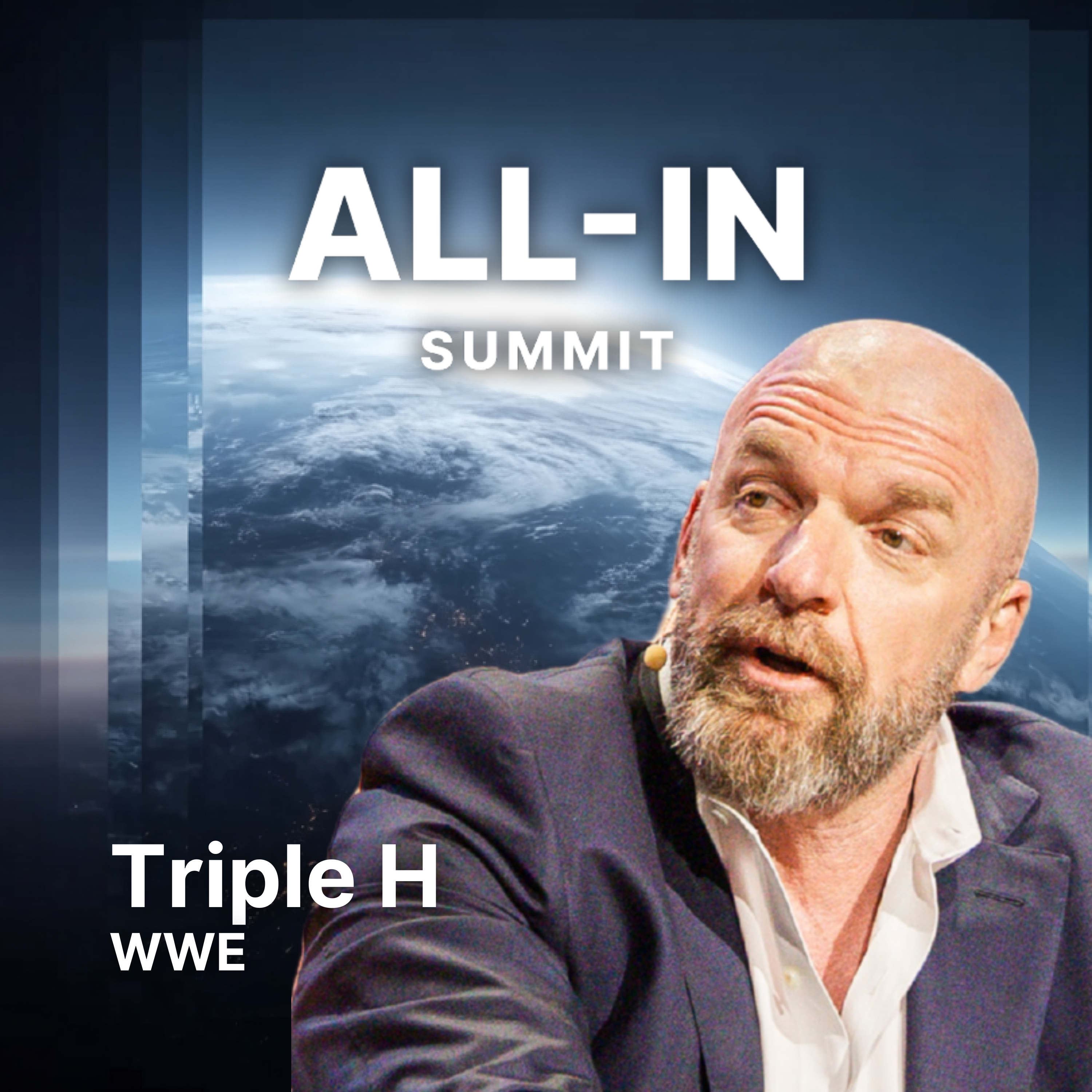
WWE's live events thrive by attracting multi-generational family groups. Paul Levesque believes this shared experience, where different generations bond over stars past and present, is a powerful driver of success in a post-COVID world that increasingly values experiences over material possessions.
Unlike traditional sports leagues, LIV structures its top players as business partners with equity in their teams. This model shifts their focus from just prize money to long-term franchise value, aligning their incentives with the league's growth and creating a powerful partnership dynamic.
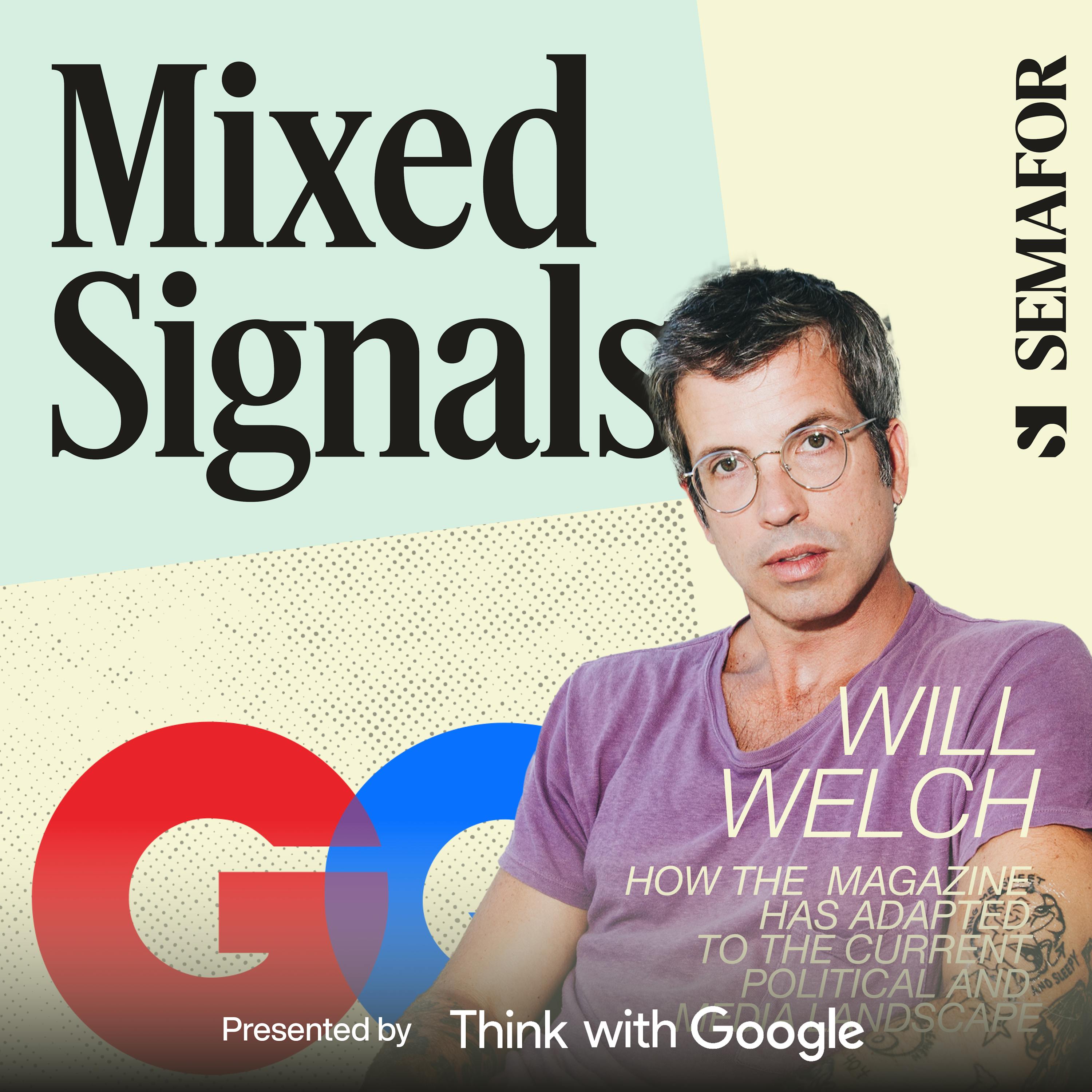
GQ's fast-growing events business treats physical gatherings like "Men of the Year" not as standalone parties, but as the center of a massive, integrated content operation. This ecosystem includes a month-long drumbeat of print and digital content leading up to the event, which itself becomes a major content creation moment.
In-person events create a powerful, hard-to-replicate competitive moat. While rivals can easily copy your digital products or content with AI, they cannot replicate the unique community, experience, and brand loyalty fostered by well-executed IRL gatherings.
