Get your free personalized podcast brief
We scan new podcasts and send you the top 5 insights daily.
Public companies run by their founders are not just a qualitative theme but a quantifiable factor, like 'value' or 'quality'. Crescent AM's research shows isolating this factor and tilting a passive portfolio towards it adds one to two percentage points of alpha per year, even in small caps.

Related Insights
Second-time founders (“Act II teams”) possess a unique advantage. They can solve the same core problem but with complete clarity from the start, knowing the edge cases and organizational structure required. This allows them to leverage modern technology while avoiding the mistakes of their first venture, as seen with the founders of Workday and Affirm.
![Henry Ellenbogen - Man Versus Machine - [Invest Like the Best, EP.452] thumbnail](https://megaphone.imgix.net/podcasts/498a0910-d6ea-11f0-aae4-8f837283e00f/image/9b60f0353346cd1b5cbd326c86e22287.jpg?ixlib=rails-4.3.1&max-w=3000&max-h=3000&fit=crop&auto=format,compress)
Go beyond analyzing the founding team by treating the entire employee base as a key asset. By measuring metrics like employee retention rates, hiring velocity, and geographical or role-based growth, investors can build a quantitative picture of a company's health and culture, providing a powerful comparative tool.

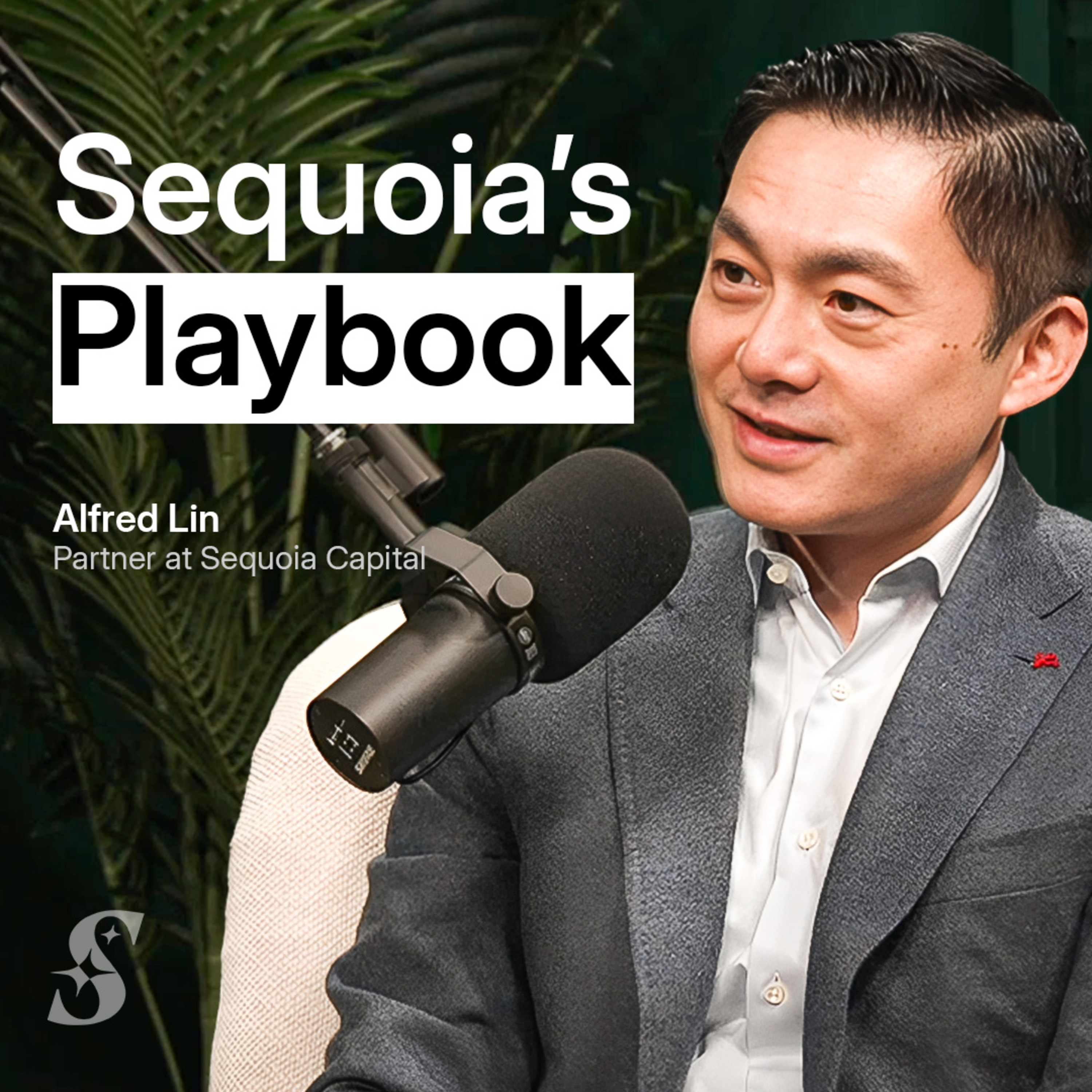
Sequoia quantifies its search for 'outlier founders' in statistical terms. An exceptional founder is three standard deviations above the mean in a key trait, but a true outlier is four. This statistical lens explains their high bar, reviewing around 1,000 companies for every single investment.
The independent sponsor model excels in the lower middle market by transforming founder-led businesses. Core value is created not just by growth, but by building out management teams and systems to de-risk the company, enabling it to be sold at a higher multiple.
Top-performing, founder-led businesses often don't want to sell control. A non-control investment strategy allows access to this exclusive deal flow, tapping into the "founder alpha" from high skin-in-the-game leaders who consistently outperform hired CEOs.

Public companies, beholden to quarterly earnings, often behave like "psychopaths," optimizing for short-term metrics at the expense of customer relationships. In contrast, founder-led or family-owned firms can invest in long-term customer value, leading to more sustainable success.
The venture capital industry's tendency to fire founders is so ingrained that simply being founder-friendly became a competitive advantage for Founders Fund. Despite data showing founder-led companies outperform, the emotional 'thrill' of ousting a founder often leads VCs to make value-destructive decisions, creating a market inefficiency.

Large, contrarian investments feel like career risk to partners in a traditional VC firm, leading to bureaucracy and diluted conviction. Founder-led firms with small, centralized decision-making teams can operate with more decisiveness, enabling them to make the bold, potentially firm-defining bets that consensus-driven partnerships would avoid.

Crescent Asset Management's core investment philosophy is to use public markets for cheap, passive beta exposure. They concentrate their active management efforts on private markets, where they believe an informational and access-based edge can be used to generate true alpha.
The performance premium for founder-led companies evaporates when the founder steps down. Data shows that the annualized return of a stock is two to three times higher when the founder is at the helm versus a successor, making the transition a critical exit indicator for investors.