Get your free personalized podcast brief
We scan new podcasts and send you the top 5 insights daily.
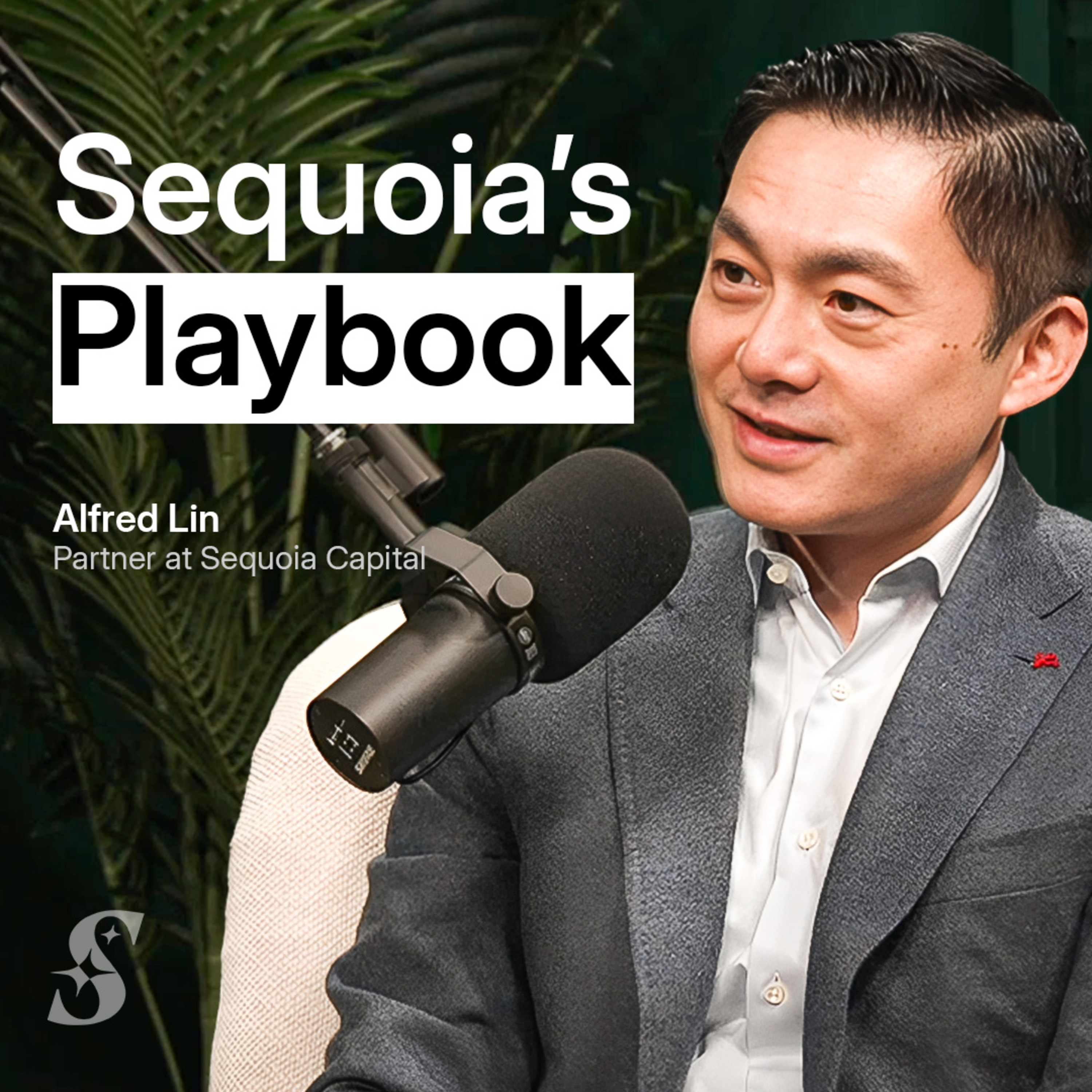
Sequoia quantifies its search for 'outlier founders' in statistical terms. An exceptional founder is three standard deviations above the mean in a key trait, but a true outlier is four. This statistical lens explains their high bar, reviewing around 1,000 companies for every single investment.
Related Insights
Acknowledging venture capital's power-law returns makes winner-picking nearly impossible. Vested's quantitative model doesn't try. Instead, it identifies the top quintile of all startups to create a high-potential "pond." The strategy is then to achieve broad diversification within this pre-qualified group, ensuring they capture the eventual outliers.

VCs at the highest level don't just write checks; they fundamentally reset a founder's aspirations. By placing a startup in the lineage of giants like Google and Oracle, they shift the goal from building a big business to creating a generational company.
To gauge a founder's drive and potential for greatness, ask if they have ever been in the top 1% of any field, even an esoteric one. This unconventional question serves as a powerful proxy for ambition and the willingness to push through challenges, regardless of their professional background.
While assessed during diligence, the true caliber of a founder—their passion, authenticity, and ability to "run through walls"—becomes starkly clear after the deal closes. This distinction is not subtle; the impact of a truly exceptional founder versus an average one is immediately evident in the business's trajectory.

To identify non-consensus ideas, analyze the founder's motivation. A founder with a deep, personal reason for starting their company is more likely on a unique path. Conversely, founders who "whiteboarded" their way to an idea are often chasing mimetic, competitive trends.
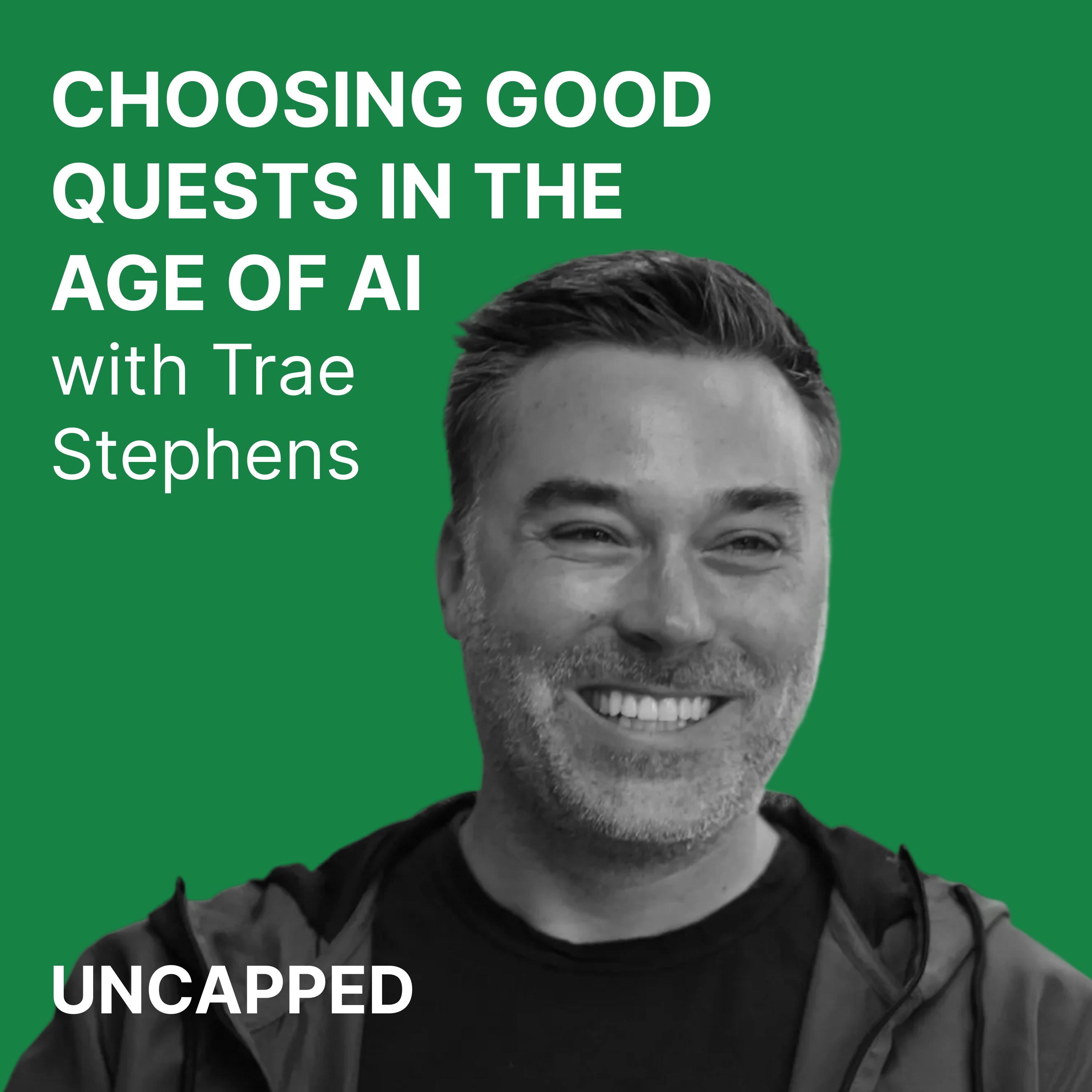
For over a decade, Sequoia has systematically asked top operators, 'Who are your five smartest peers?' By tracking responses in a proprietary CRM, they've built a talent map that functions like a 'PageRank for people.' This system allows them to assess engineering team quality deep within organizations, providing a unique diligence advantage.

The venture capital return model has shifted so dramatically that even some multi-billion-dollar exits are insufficient. This forces VCs to screen for 'immortal' founders capable of building $10B+ companies from inception, making traditionally solid businesses run by 'mortal founders' increasingly uninvestable by top funds.
Unlike operating companies that seek consistency, VC firms hunt for outliers. This requires a 'stewardship' model that empowers outlier talent with autonomy. A traditional, top-down CEO model that enforces uniformity would stifle the very contrarian thinking necessary for venture success. The job is to enable, not manage.
Strict investment theses (e.g., "only second-time founders") are merely guidelines. The high volume of meetings required in venture capital provides the essential context and pattern recognition needed to identify exceptional outliers that defy rigid heuristics.
Sequoia's internal data shows consensus is irrelevant to investment success. A deal with strong advocates (voting '9') and strong detractors (voting '1') is preferable to one where everyone is mildly positive (a '6'). The presence of passionate conviction, even amid dissent, is the critical signal for pursuing outlier returns.