Get your free personalized podcast brief
We scan new podcasts and send you the top 5 insights daily.
Framing the absence of art not as a cultural loss but as "art deprivation" reveals its direct link to increased risks of depression, dementia, chronic pain, and premature mortality, creating a public health crisis with significant economic costs.

Related Insights
The opioid epidemic is fueled by a lack of things to do, as community hubs like theaters, parks, and libraries have disappeared. Rebuilding this 'social infrastructure' provides purpose and connection, acting as a powerful, non-clinical intervention against drug addiction.

Before the pandemic, the US Surgeon General identified loneliness as the nation's primary health crisis, surpassing issues like smoking and obesity. This is particularly acute among leaders, with studies showing half feel lonely, and a majority of them admit it leads to bad business decisions due to a lack of trusted advisors.
The emerging field of "neuroaesthetics" shows that the physical act of making art has proven benefits for mental health and longevity. Crucially, these benefits are entirely independent of the creator's skill or the quality of the final product, emphasizing process over outcome.

Retirement poses a significant health risk. The daily schedule, external expectations, mental challenges, and social network provided by a job are crucial for brain health. Their removal can lead to accelerated cognitive decline and social isolation.
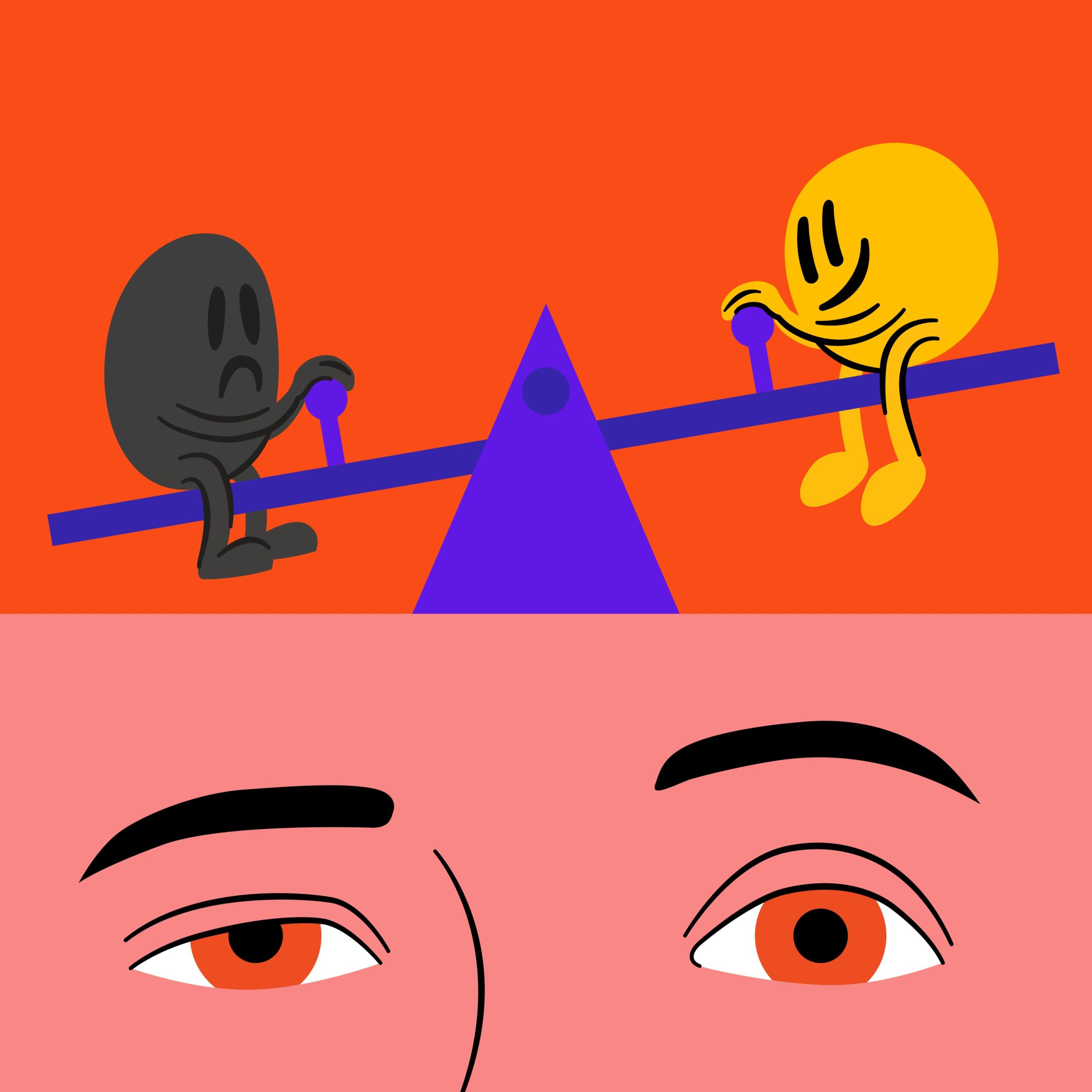
Psychiatrist Anna Lemke links rising rates of depression and anxiety in the world's richest nations to the overstimulation of our dopamine pathways. Constant access to high-pleasure foods, entertainment, and products creates a chronic dopamine deficit state, leaving people unhappier, more irritable, and unable to enjoy simple pleasures.
Author Shannon Hale champions making "bad art" to foster genuine creativity. The act of creating, regardless of the output's quality, develops the brain and nurtures a love for the process. This is especially vital now, as AI threatens to replace creative opportunities for developing minds.

For millennia, human innovation like agriculture and shelter was driven by stress reduction. This endeavor was so successful that it created the modern "comfort crisis." We have eliminated natural stressors so effectively that we must now artificially re-engineer challenges like exercise back into our lives to maintain physiological health.

Research indicates a significant correlation between regular arts engagement and longevity. Experiencing art just once a month or more is linked to an extension of life by as much as ten years, reframing art from a quality-of-life amenity to a life-extension tool.
Feeling socially disconnected is not just a mental state; it's a physiological stressor with a health impact on par with smoking a pack of cigarettes daily. Loneliness activates a chronic stress response, disrupting the gut-brain axis and driving systemic inflammation, which severely impacts longevity.

Social inequalities are a major risk factor for depression, making it a political problem. However, this is not a reason to deny medical treatment. Like other diseases of inequality such as AIDS or COVID-19, individuals need medical help now and cannot wait for underlying societal issues to be resolved.