Get your free personalized podcast brief
We scan new podcasts and send you the top 5 insights daily.
Uber's core innovation wasn't a better or cheaper ride; it was solving the psychological pain of booking and waiting for a taxi. The map interface provided certainty and a sense of progress, eliminating the anxiety of the unknown, which was the real customer pain point.

Related Insights
Travis Kalanick intentionally cut prices to trigger a growth flywheel: lower fares led to more riders, which attracted more drivers, enabling even lower prices. This strategy didn't just steal share from taxis; it fundamentally expanded the total addressable market for personal transportation.

To enter markets like hotel booking, Uber first needed to break its on-demand-only perception. They launched Uber Reserve, a scheduled ride service, to train users to think of Uber for future planning. This behavioral shift was a crucial prerequisite for offering longer-horizon travel products.
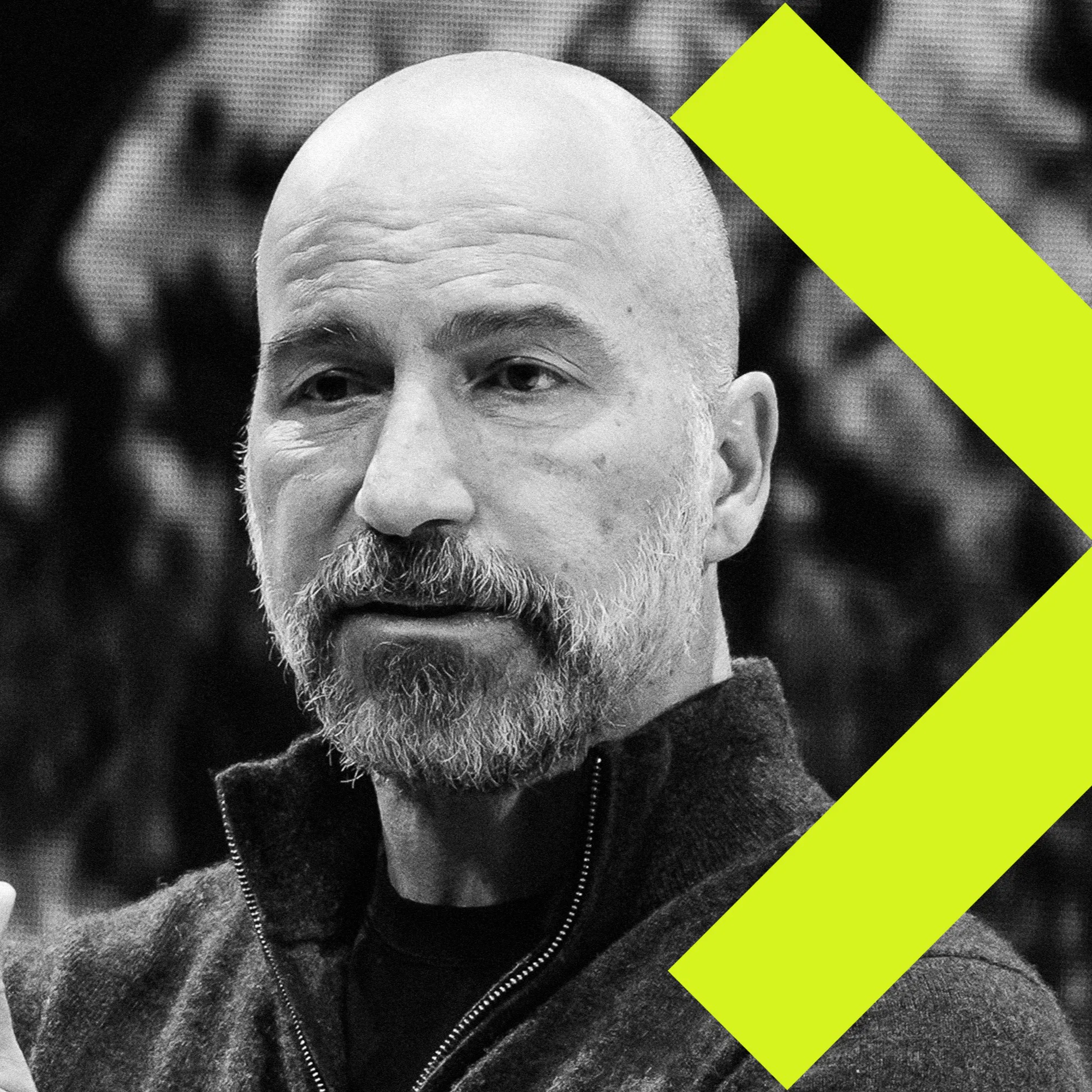
Founder Garrett Camp's deep frustration with San Francisco's inefficient taxis, which led him to call multiple companies at once and get blacklisted, was the true genesis of Uber. The idea was born from solving a persistent personal pain point, not a single 'eureka' moment.
"Blocked" customers aren't using a bad alternative; they're doing nothing because no viable solution exists. You can't observe their struggle. Unlocking this latent demand, as Uber did for people who previously wouldn't travel, doesn't just steal market share—it creates a new market entirely.

The inspiration for Superhuman came from reframing Uber's core value. Its magic wasn't getting from A to B, but the new, productive time it created during a commute. This highlights the need for founders to look beyond a product's function to discover its deeper, more fundamental human benefit, which is often time.

Dara Khosrowshahi learned that unlike travel platforms (demand-led), Uber's growth is fundamentally driven by supply. The primary focus is on recruiting drivers and merchants into new markets. Once sufficient supply is established, latent consumer demand naturally emerges and follows, dictating their entire expansion playbook.
![Dara Khosrowshahi - Uber's Bet on AVs, AI, and Building a Super-App - [Invest Like the Best, EP.476] thumbnail](https://megaphone.imgix.net/podcasts/ef669774-cccd-11ed-889b-c36caad6646f/image/158efdddfb983d2678b3530d484e8aa2.jpg?ixlib=rails-4.3.1&max-w=3000&max-h=3000&fit=crop&auto=format,compress)
Uber's first attempt at integrating taxis failed because it used the same 1-to-1 matching as rideshare. Years later, they tried again with a "blast dispatch" model (sending a request to multiple taxis at once) that better suited the taxi workflow, turning it into a fast-growing product.
Showing customers the "behind-the-scenes" work (operational transparency) increases the perceived value of the outcome. This can make longer wait times not only tolerable but beneficial, as seen with Kayak's loading screen and Starbucks' baristas.

Early competitors failed because they tried to partner with existing taxi fleets, inheriting their inefficiencies. Uber's key strategic advantage was building a parallel system with non-taxi drivers, allowing it to scale frictionlessly and deliver a superior, technology-driven experience.
The success of services like Uber isn't just about saving time; it's about the *perception* of convenience and control. A user might wait longer for an Uber than it would take to hail a cab, but the feeling of control from ordering on an app is so powerful that it overrides the actual loss of time. This psychological element is key.
