Get your free personalized podcast brief
We scan new podcasts and send you the top 5 insights daily.
Founder Garrett Camp's deep frustration with San Francisco's inefficient taxis, which led him to call multiple companies at once and get blacklisted, was the true genesis of Uber. The idea was born from solving a persistent personal pain point, not a single 'eureka' moment.

Related Insights
Travis Kalanick intentionally cut prices to trigger a growth flywheel: lower fares led to more riders, which attracted more drivers, enabling even lower prices. This strategy didn't just steal share from taxis; it fundamentally expanded the total addressable market for personal transportation.
Travis Kalanick initially dismissed using unlicensed drivers as illegal. It wasn't until competitor Lyft successfully launched its peer-to-peer model and proved it could survive regulatory scrutiny that Uber pivoted to adopt the strategy, which became its biggest growth engine.
Co-founder Travis Kalanick pivoted Uber away from founder Garrett Camp's original, capital-intensive idea of buying a fleet of Mercedes. This critical shift to an asset-light platform model, connecting existing drivers with riders, was crucial for rapid, low-cost scalability.
Michael Dubin didn't conduct market research; he found his business opportunity in his personal annoyance with the high cost and inconvenient process of buying razors from a locked case. This shows that powerful business ideas often hide in plain sight as everyday frustrations.

Collaborative Fund's Craig Shapiro passed on Uber's seed round ($4M valuation) because he perceived it as a 'black car' service for the rich. This highlights the common investor mistake of underestimating a market by failing to see how a premium service can eventually democratize an entire industry.

Many founders start companies simply because they want the title, not because they are obsessed with a mission. This is a critical mistake, as only a deep, personal passion for a problem can sustain a founder through the inevitable hardships of building a startup.

Dubbed "Travis's Law," Uber's core political innovation was turning its passionate customer base into a powerful lobbying force. By building advocacy tools directly into their product, startups can mobilize users to defeat powerful, entrenched incumbents in regulated industries.
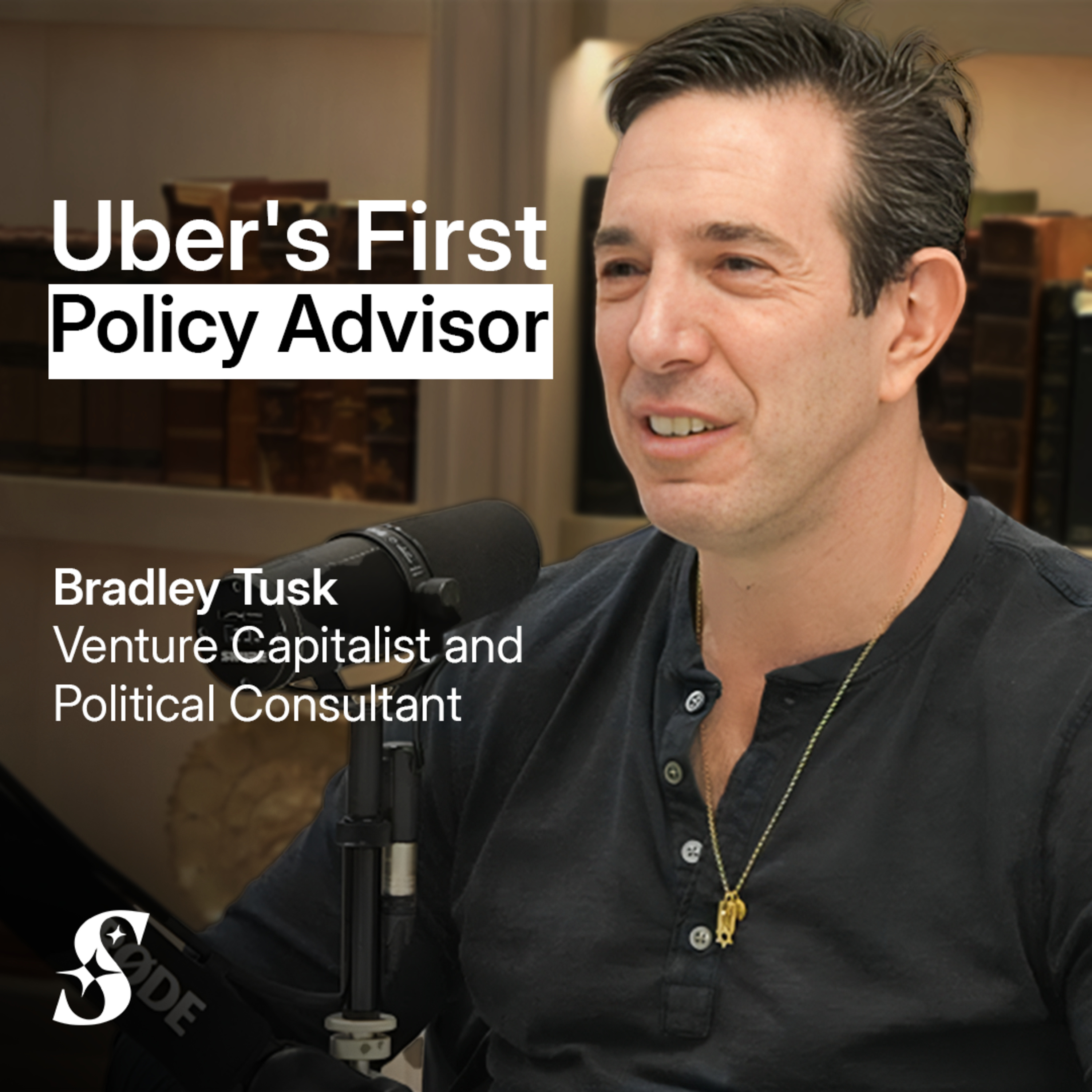
Early competitors failed because they tried to partner with existing taxi fleets, inheriting their inefficiencies. Uber's key strategic advantage was building a parallel system with non-taxi drivers, allowing it to scale frictionlessly and deliver a superior, technology-driven experience.
Instead of seeking permission, Uber launched first to demonstrate its superior service. When regulators tried to shut them down, the company leveraged its loyal customer base to create overwhelming public and political pressure, effectively making users its most powerful lobby.
The most enduring companies, like Facebook and Google, began with founders solving a problem they personally experienced. Trying to logically deduce a mission from market reports lacks the authenticity and passion required to build something great. The best ideas are organic, not analytical.