Get your free personalized podcast brief
We scan new podcasts and send you the top 5 insights daily.
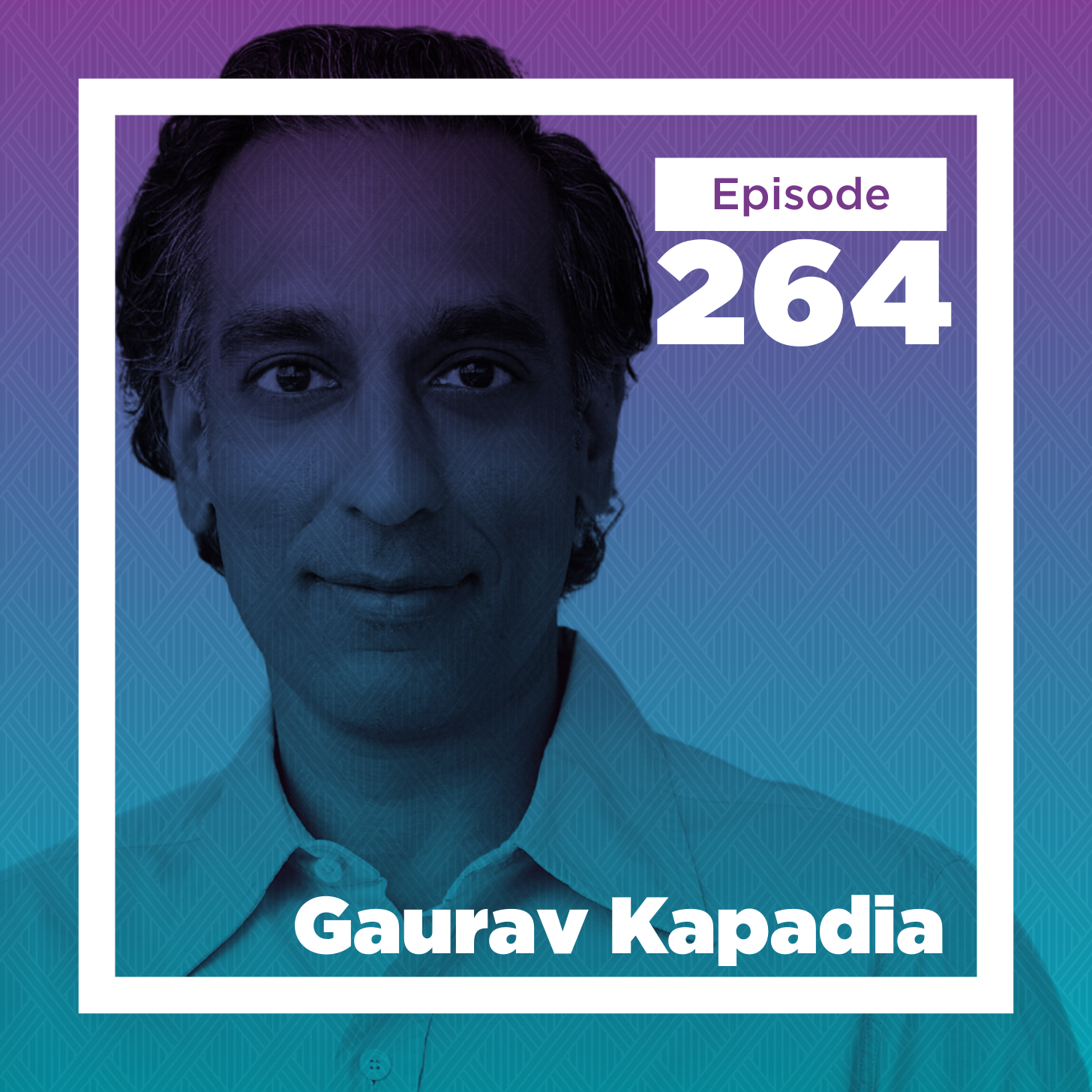
Investor Gaurav Kapadia argues that beyond competence, the key non-obvious quality for a successful NYC mayoral candidate is the ability to inspire through optimism. This trait is extraordinarily scarce, as most candidates focus on 'doomerism,' failing to attract and motivate constituents in a complex city.
Related Insights
The greatest predictor of entrepreneurial success isn't intellect or innate skill, but simply caring more than anyone else. This deep-rooted ambition and desire to succeed fuels the resilience and skill acquisition necessary to win.

A city's leader should operate like a CEO, optimizing for the entire municipality rather than specific factions. The primary goal should be creating economic prosperity and opportunities for all residents, from ages 18 to 90. This 'creation' mindset is more effective than political campaigns based on taking from one group to give to another.
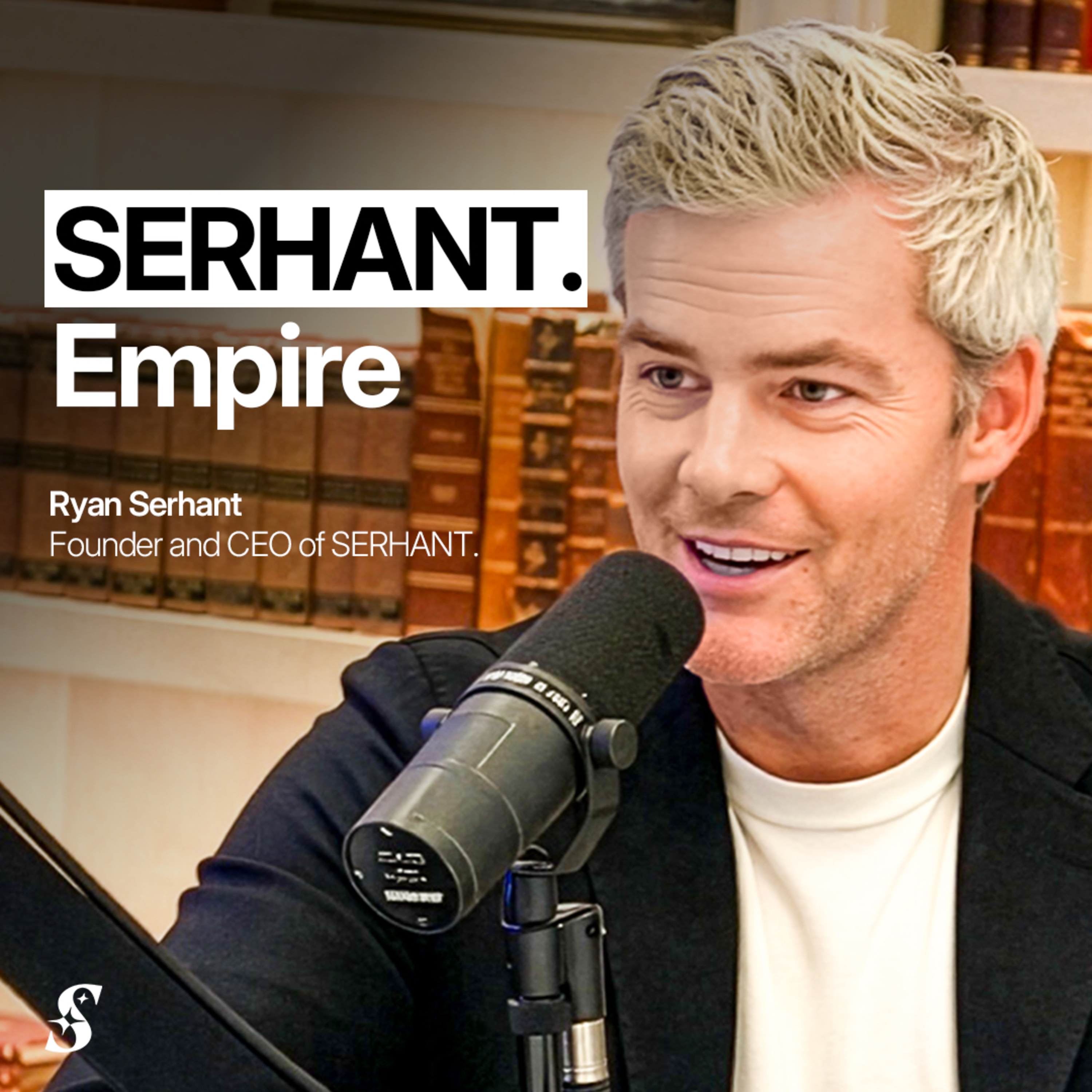
Gardner reframes optimism from a passive state of mind to an active, creative force. Citing Henry Ford—"Whether you think you can or you think you cannot, you're right"—he argues that belief is a prerequisite for action. Entrepreneurs and investors must be optimists to build and fund what doesn't yet exist.

The optimism vs. pessimism debate is flawed; agency is the critical variable. Elon Musk, who believed Tesla and SpaceX had only a 10% chance of success (a pessimistic view), is a prime example. His extreme agency allowed him to succeed despite his low optimism.

Drawing inspiration from Antarctic explorer Ernest Shackleton, true optimism isn't a passive belief that things will work out. It's an active, courageous choice. In dire situations, a leader's decision to be optimistic is a strategic tool essential for survival and success.

The success of progressive candidate Momdani in New York stems from his singular focus on the city's unaffordability crisis. While other candidates emphasized crime, Momdani tapped into the core anxiety of voters who feel they can no longer afford to live there, signaling a shift in urban voter priorities.
With increasing uncertainty from geopolitics, inflation, and AI, a leader's past experience is less predictive of success. Hiring should prioritize mindset, attitude, and the ability to manage change over a specific experiential playbook, which may now be obsolete.

Vinod Khosla differentiates skeptics, who only see failure, from true contrarians. Entrepreneurs are contrarian about the status quo but fundamentally optimistic about what technology can make possible, enabling them to build the future.

There are no universal leadership traits; successful leaders can be introverts, extroverts, planners, or chaotic. What they share is the ability to make others feel that following them will lead to a better tomorrow. This emotional response is what creates followers, not a specific checklist of skills.

The success of figures like Trump and Mamdani shows a political shift where personality trumps policy. Voters are drawn to authentic, entertainer-like candidates who connect on a human level, making traditional, unrelatable politicians obsolete.
