Get your free personalized podcast brief
We scan new podcasts and send you the top 5 insights daily.
The optimism vs. pessimism debate is flawed; agency is the critical variable. Elon Musk, who believed Tesla and SpaceX had only a 10% chance of success (a pessimistic view), is a prime example. His extreme agency allowed him to succeed despite his low optimism.

Related Insights
The belief required to start a company that solves a massive, complex problem like communication isn't confidence, but a form of delusion. This mindset allows founders to persist through challenges that a more realistic person might abandon, especially when a problem seems fundamentally unsolvable.

While experts dismiss Elon Musk's idea of space-based AI data centers as unviable, this overlooks his history with SpaceX, which consistently achieves what was deemed impossible, like reusable rockets. His analysis of the physics and economics may be more advanced than public criticism allows.

The personality trait that drives outlier entrepreneurial success isn't mere ambition, but a "tortured" state of mind. These individuals feel a constant, painful inadequacy that compels them to achieve extraordinary things. This drive often comes at the expense of their personal well-being, family life, and mental health.
![[REPLAY] Morgan Housel – Same as Ever (EP.359) thumbnail](https://static.libsyn.com/p/assets/f/b/7/6/fb76e1c8bfb69e8dd959afa2a1bf1c87/CA_Square_logo_light_background_6.26.24.jpg)
While one might hope to build a successful hardware company without being 'uncompromisingly demanding,' experience suggests otherwise. People are capable of far more than they believe, but almost always require extrinsic motivation. This tough leadership style appears necessary for succeeding in competitive hardware manufacturing.
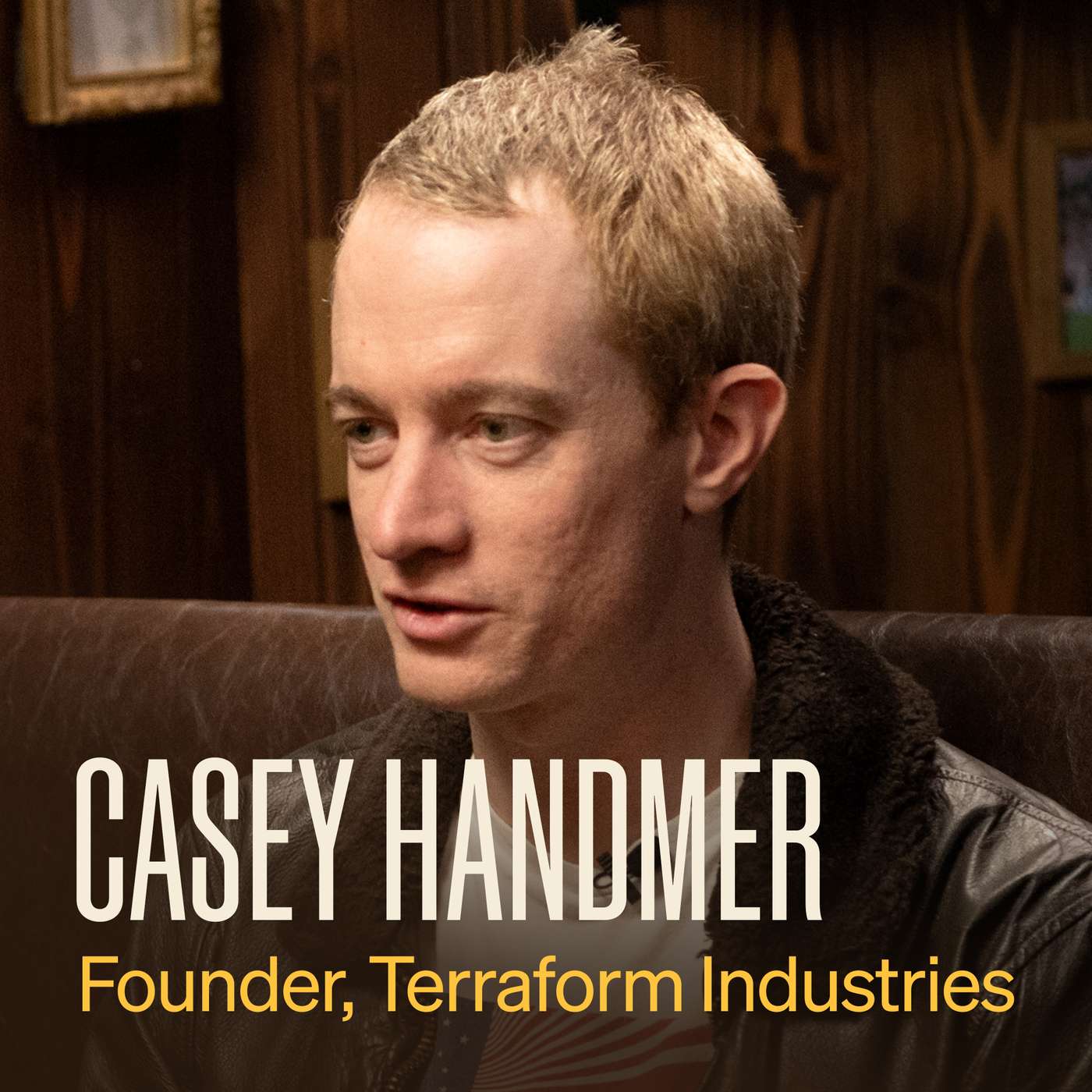
Gardner reframes optimism from a passive state of mind to an active, creative force. Citing Henry Ford—"Whether you think you can or you think you cannot, you're right"—he argues that belief is a prerequisite for action. Entrepreneurs and investors must be optimists to build and fund what doesn't yet exist.

The person you'd call to break you out of prison (assuming they have no wealth or contacts) embodies high agency. This quality isn't just IQ or work ethic, but a rare combination of extreme resourcefulness, absurd self-belief, and a high locus of control.
Solving truly hard problems requires a form of 'arrogance'—an unwavering belief that a solution is possible, even after months or years of failure. This 'can-do' spirit acts as an accelerator, providing the persistence needed to push through challenges where most would give up.

Musk's success stems from his unique ability to attract hyper-intelligent, maniacally driven individuals. These people are drawn to his high-stakes, high-pressure environment, choosing to "burn out under Musk" rather than be bored elsewhere, creating an unparalleled human capital advantage.

Contrary to the model of steady weekly hours, Elon Musk’s effectiveness may come from a different pattern: identifying critical problems and applying short, intense bursts of obsessive micromanagement (e.g., 100-hour weeks sleeping on the factory floor) before pulling back.

Charlie Munger's comment on Elon Musk—"Never underestimate the man who overestimates himself"—highlights a paradox. Extreme self-belief, often a flaw, can be a founder's greatest asset, fueling the audacity required to pursue goals that rational minds dismiss as impossible.
