Get your free personalized podcast brief
We scan new podcasts and send you the top 5 insights daily.
In Latin America, a huge portion of Holcim's business comes from individual 'self-builders' doing home renovations. To serve this fragmented B2C customer base, Holcim built a retail network of 2,500 franchise shops, fundamentally changing its traditional B2B route-to-market and supplying up to 85% of customer needs.

Related Insights
To manage a global business where operations are inherently local, Holcim uses a fully decentralized model. The corporate headquarters is intentionally slim, functioning as a mentorship and coaching resource. Its role is not to dictate strategy but to identify and share best demonstrated practices learned from local teams across the company's footprint.
Baby2Baby chose a B2B-like model, supplying partner organizations rather than individual families. This avoided the complex logistics of direct service, enabling them to reach vastly more people and scale their operations efficiently by leveraging existing community infrastructure.

A purely direct-to-consumer model is challenging for a single, niche product. Instead of broad performance marketing, Tick Socks was advised to pursue B2B2C partnerships with summer camps. This highly targeted channel directly reaches the ideal customer (parents) at the point of need, offering a more capital-efficient growth path.

Kukun attracts enterprise clients (banks, fintechs) by letting their decision-makers use its consumer-facing home data tool. Prospects experience the product's value firsthand as individual users, which then prompts them to inquire about enterprise solutions. This product-led approach bypasses traditional B2B advertising and demos.

When direct-to-consumer growth flattens and acquisition costs rise, B2B channels offer a scalable alternative. Betterment's founder notes their B2B expansion not only provided scale but also fed more users back into their retail product, creating a powerful growth flywheel.
Instead of immediately selling to their target ICP (franchise auto dealers), Bali first built its product by working with four "practice" customers for two years. They then scaled by selling to 40 automotive vendors who served dealers. This refined the product and built credibility before they began direct-to-dealer sales.
Zalando leveraged its extensive European logistics footprint, initially built for its B2C business, into a new B2B revenue stream. Brands can now use this infrastructure to manage their own e-commerce fulfillment across the continent, avoiding massive CapEx and gaining network benefits.
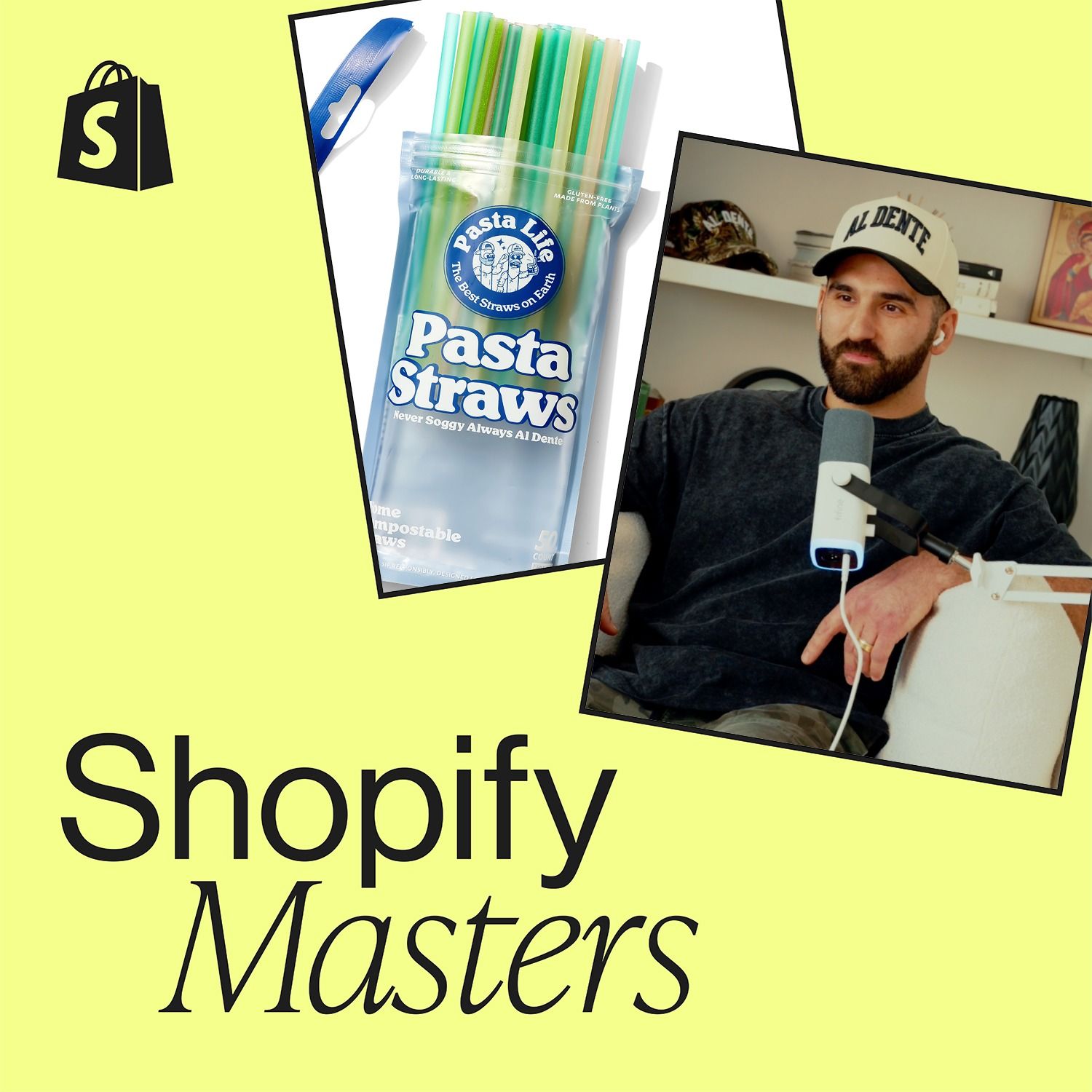
For a low-cost, high-volume product like a straw, securing B2B contracts (e.g., one hotel buying 100,000 units) provided a more stable financial foundation than pursuing individual D2C sales. This volume-first approach was critical before expanding into direct-to-consumer channels.
With the DIY consumer market stalled due to the housing gridlock, Home Depot is shifting its focus to professional contractors and builders. The company is actively acquiring wholesale distributors to cater to this B2B segment, which now accounts for half of its revenue, as a strategy to maintain growth.

Whether you use one codebase or two is an internal detail that is irrelevant to the customer. The key is adapting your marketing (website copy, pricing page) and sales process (self-serve vs. demo) to serve both the original B2C user and the new B2B customer.
