Get your free personalized podcast brief
We scan new podcasts and send you the top 5 insights daily.
The initial death count of 9/11 is only part of the tragedy. A greater number of people have died since from cancers and illnesses caused by inhaling pulverized cement, asbestos, and glass. This represents a catastrophic failure of government leadership who falsely declared the air safe.

Related Insights
A newly understood class of carcinogens, like particulate air pollution, doesn't cause DNA mutations (the 'seed'). Instead, these 'inflammagens' create a specific type of chronic inflammation that acts as fertile 'soil,' encouraging pre-existing, dormant cancer cells to awaken and grow.

Public perception of nuclear energy is skewed by salient events like Chernobyl. The data shows that premature deaths from fossil fuel air pollution are in the millions annually, vastly exceeding the few thousand deaths attributable to all nuclear incidents combined. The hidden, chronic danger of fossil fuels is far deadlier.

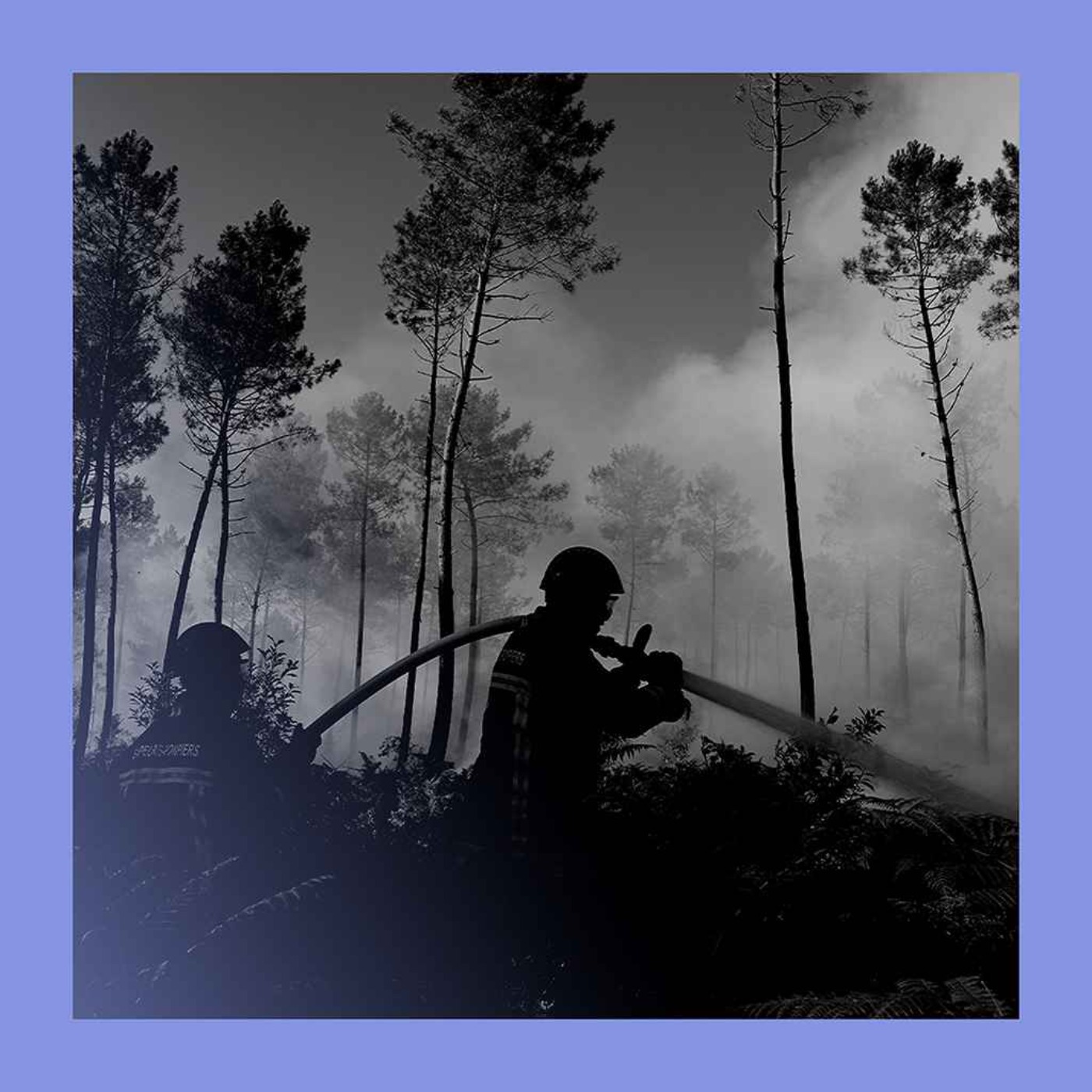
The primary health risk from wildfires is smoke inhalation, estimated to cause 250,000 deaths annually. This indirect effect is a greater public health crisis than property damage or direct fire casualties, exacerbated by an aging global population more vulnerable to respiratory issues.
The unbalanced, short-wavelength-heavy spectrum of common LED lights, which lacks counteracting long-wavelength red light, may cause systemic mitochondrial dysfunction. Some scientists believe this is a major public health issue with a potential impact comparable to that of asbestos.

Official screening eligibility for lung cancer is narrowly focused on age and smoking history. This approach fails to account for significant environmental risk factors such as radon exposure, air pollution, and fumes from indoor cooking, leaving a large population unscreened and at risk for late-stage diagnosis.

Lying is an inherent function of all powerful institutions throughout history, not an exception. Meetings in government often focus on 'what' to tell the public, not 'how' to tell the truth. Examples like asbestos in baby powder and the dangers of opioids show a pattern of denial that can last for decades before the truth is admitted.

Public perception of nuclear power is skewed by highly visible but rare disasters. A data-driven risk analysis reveals it is one of the safest energy sources. Fossil fuels, through constant air pollution, cause millions of deaths annually, making them orders of magnitude more dangerous.

The first 9/11 plane crash allowed for explanations that kept normalcy intact. The second plane, however, instantly proved intentionality and sincere belief, forcing a confrontation with the underlying ideology. This illustrates how a second data point can completely reframe a catastrophic event.

Before 9/11, the U.S. had only two BSL-4 labs for pathogens with no known cure. Following the 2001 anthrax attacks, the biodefense industry expanded dramatically, resulting in 15 BSL-4 labs and over a thousand BSL-3 labs, massively increasing the national risk of an accidental leak.

The episode highlights the shocking scale of lung cancer's impact, stating it causes more deaths each year than several other major cancers combined. This stark comparison underscores the critical need for better and more accessible screening technologies, as current methods like CT scans are highly underutilized.
