Get your free personalized podcast brief
We scan new podcasts and send you the top 5 insights daily.
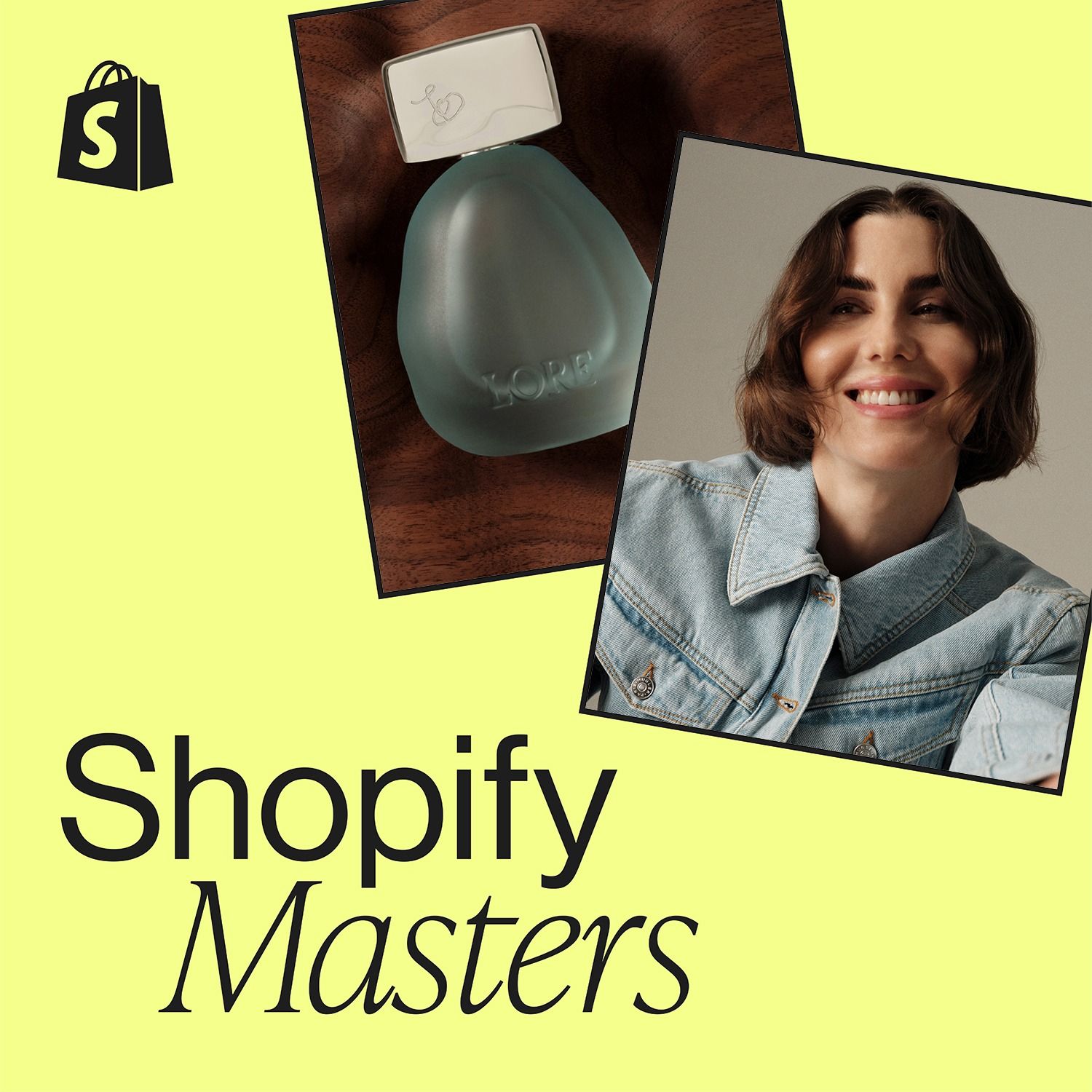
Lore's founder reveals that influencer seeding and organic relationships are not just a marketing tactic but their largest budget line item and biggest team. This strategic investment underscores that organic fandom is the primary engine for brand discovery and growth.
Related Insights
Instead of spending small, inconsistent amounts on influencers, food startups should allocate a significant, planned budget (e.g., $20,000 over a year) to a few carefully selected micro-influencers. This allows for deeper partnerships and more impactful content that demonstrates the product effectively.

Effective creator marketing has matured beyond single posts. Instead, engage niche creators who align with your ideal customer in long-term (e.g., quarterly) partnerships across all their channels—newsletter, podcast, and social—to build deep brand affinity and recognition.

Brands mistakenly buy single posts from influencers, which yields poor results. The effective approach is to form long-term, integrated partnerships with creators who have built a network (events, newsletters, social), treating it as a strategic investment rather than a one-time transaction.

In today's saturated market, one-off influencer posts appear inauthentic. 437's strategy is to build deep relationships with a few creators, ensuring repeated exposure so they become the influencer's "go-to" brand for activewear, establishing genuine credibility.

Gymshark's initial influencer success wasn't a calculated campaign. It was born from genuine fandom; they sent products to YouTubers they personally admired. This authentic, non-transactional approach built real community trust long before influencer marketing became a formalized, paid industry.
Instead of cold-pitching influencers, Buy Rosie Jane identifies creators who already organically love and post about their products. They then approach these authentic fans to either license existing content or collaborate on new paid projects, ensuring genuine enthusiasm and audience trust.
In B2B marketing, one-off influencer posts for launches are ineffective and a waste of money. Brands should instead pursue long-term, integrated partnerships with creators who have built entire networks (events, newsletters, social). This approach treats the collaboration as a strategic investment in 'world building' rather than a tactical play.

Influencer marketing isn't a standalone channel. Gamma discovered that for every user acquired directly through an influencer, they gained an additional 1.5 users via organic word-of-mouth. This highlights its role as a powerful amplifier for existing organic channels, not just a direct acquisition tool.
Gamma’s founder personally onboarded early influencers, walking them through the product and brainstorming hooks. This investment treats influencers as extensions of the team, not just a media buy, fostering genuine understanding and authentic promotion in their own voice.
In a product-led world, the B2B concept of 'founder-led sales' evolves into 'founder-led marketing.' Founders must deeply own the brand's narrative. This means personally onboarding key influencers and being the first to learn how to tell the story broadly, ensuring the message is right before scaling the function.
