Get your free personalized podcast brief
We scan new podcasts and send you the top 5 insights daily.
Despite his passion for creating the "book beautiful" and his success with the Doves Press, Thomas Cobden-Sanderson is remembered primarily for destroying his masterpiece typeface. This serves as a cautionary tale that a creator's legacy can be ironically defined by what they took away from the world, not what they added to it.

Related Insights
Thomas Cobden-Sanderson destroyed the Doves Type to prevent its use for commercial purposes he deemed unworthy. Ironically, its digital resurrection means the typeface is now publicly available for any purpose, from bank letters to t-shirts—the exact outcome the creator fanatically tried to prevent.
An effective creative process embraces dualities rather than viewing them as mutually exclusive choices. A creator must learn to be both destructive and constructive, reverent and casual, messy and organized. Your unique style is defined by how you strike a balance between these conflicting forces.

The romanticized myth of the chaotic, self-destructive artist (e.g., Bukowski) is harmful. It incorrectly links creativity with debauchery, deterring otherwise talented individuals who don't want to live a reckless life from pursuing their creative ambitions, thus impoverishing the culture.

Unlike modern scientists who publish findings, Renaissance innovators like Leonardo da Vinci and Brunelleschi actively hid their discoveries. They used coded writing and burned schematics to maintain their unique prestige. From a modern viewpoint, their desire for individual glory made them 'saboteurs of human progress' by preventing knowledge from compounding.
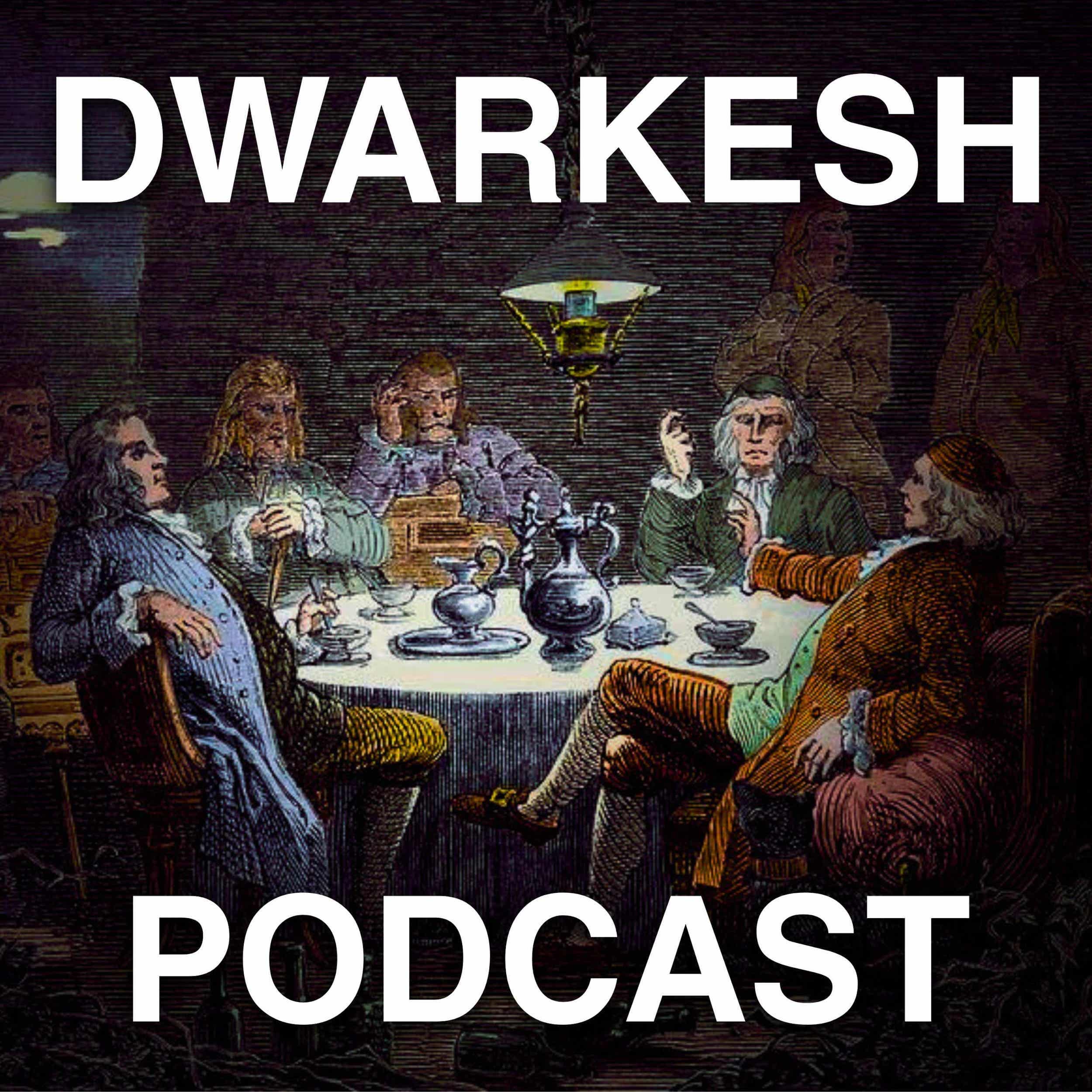
The partnership between Thomas Cobden-Sanderson (the artist) and Emery Walker (the pragmatist) was doomed by their conflicting priorities. Thomas obsessed over aesthetic details while Emery focused on financial viability and operational efficiency. This fundamental misalignment in vision, not a single event, caused the venture's collapse.
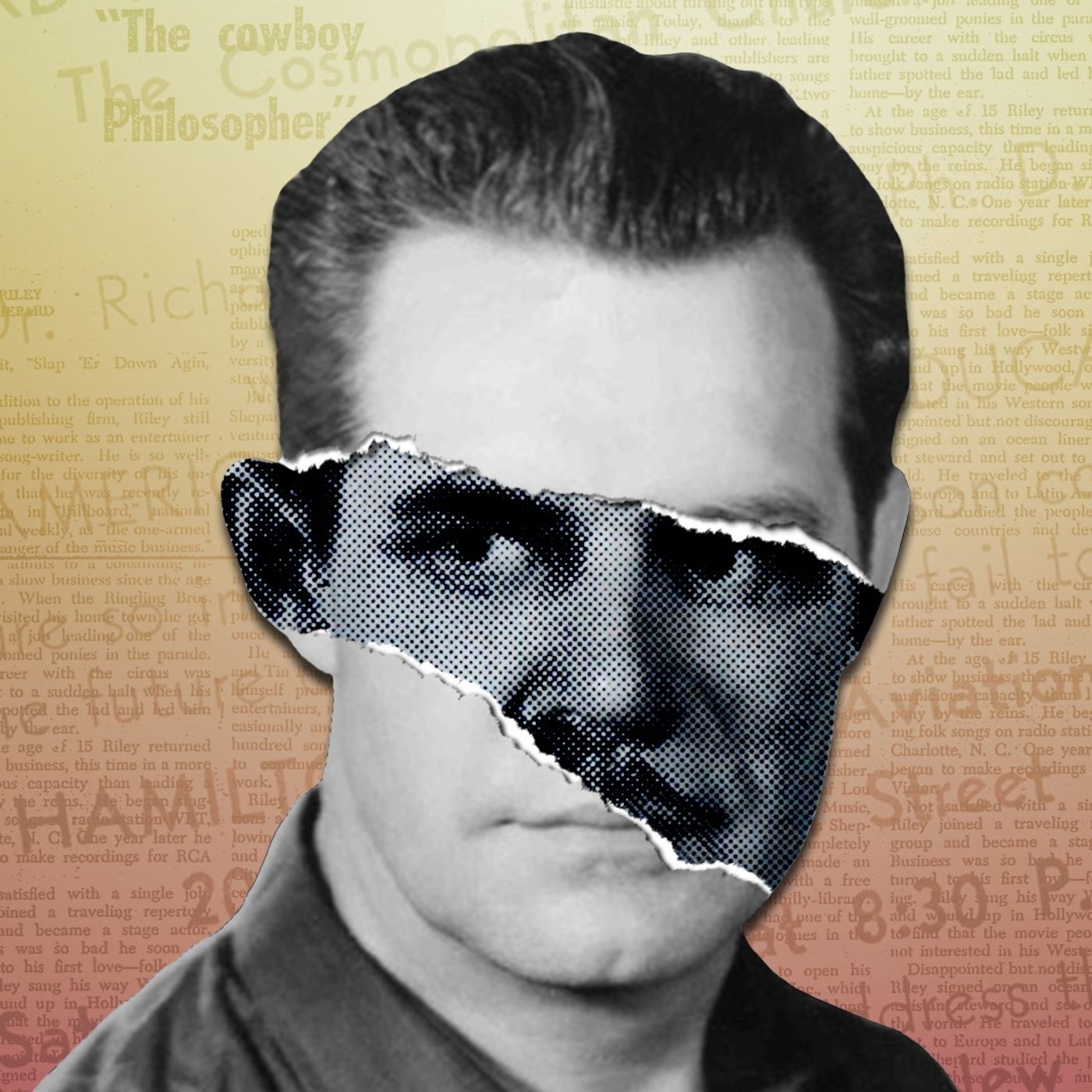
Riley Shepherd's encyclopedia was seen as a con by his daughter, who experienced the financial fallout, but as genius by a folklorist. This shows a creator's internal motivation is often detached from a project's external perception or success, which is judged based on its collateral impact.
Before digital files, typefaces were thousands of physical metal objects. This physicality meant that when Thomas Cobden-Sanderson threw the Doves Type into the Thames, he wasn't just hiding it; he was permanently erasing it in a way that's impossible with today's infinitely replicable digital assets.
Type designer Robert Green's initial digital revival of Doves Type, based on printed books, was unsatisfying. Because ink spreads differently with each impression, the result was an idealized version, not a true copy. This highlights that digital recreations of physical artifacts are merely interpretations until the original source can be studied.
Thomas Cobden-Sanderson's destruction of the Doves Type was not a crime of passion. It was a methodical, long-term project. Over five months, the 76-year-old made at least 173 trips to Hammersmith Bridge to dispose of the 2,600-pound typeface piece by piece, demonstrating that revenge can be a highly calculated and laborious endeavor.
In a moment of exhaustion and frustration after completing his eight-year Beatles biography, Spitz discarded all his research, notes, and interviews. This irreversible mistake means hundreds of unpublished stories from the 1,700 pages cut from the original manuscript are lost forever, a cautionary tale for any creator.