Get your free personalized podcast brief
We scan new podcasts and send you the top 5 insights daily.
In today's public arena, a high-profile CEO should not personally engage in social media disputes. Instead, they must cultivate an 'army of advocates'—investors, influencers, and supporters—to manage the public narrative, counter criticism, and allow the founder to remain focused on building the company.

Related Insights
In the face of intense public pressure, a board's vocal and unwavering support is the most critical element for a leader's survival. MIT's board didn't just back its president; they actively defended her by sharing the full context of her controversial testimony with critics.

The instinctual reaction to a public attack is defensiveness. Instead, view it as a strategic opportunity. Responding to a significant critique allows you to control the narrative, articulate your position forcefully, and rally your supporters. A well-chosen public fight can significantly boost your brand's stature and visibility.

Instead of aggressive pushback, powerful executives respond to criticism with invitations for meetings and speaking engagements. This charm offensive is a deliberate strategy to co-opt critics, making them less likely to speak their minds freely. Maintaining objectivity requires actively avoiding these relationships.

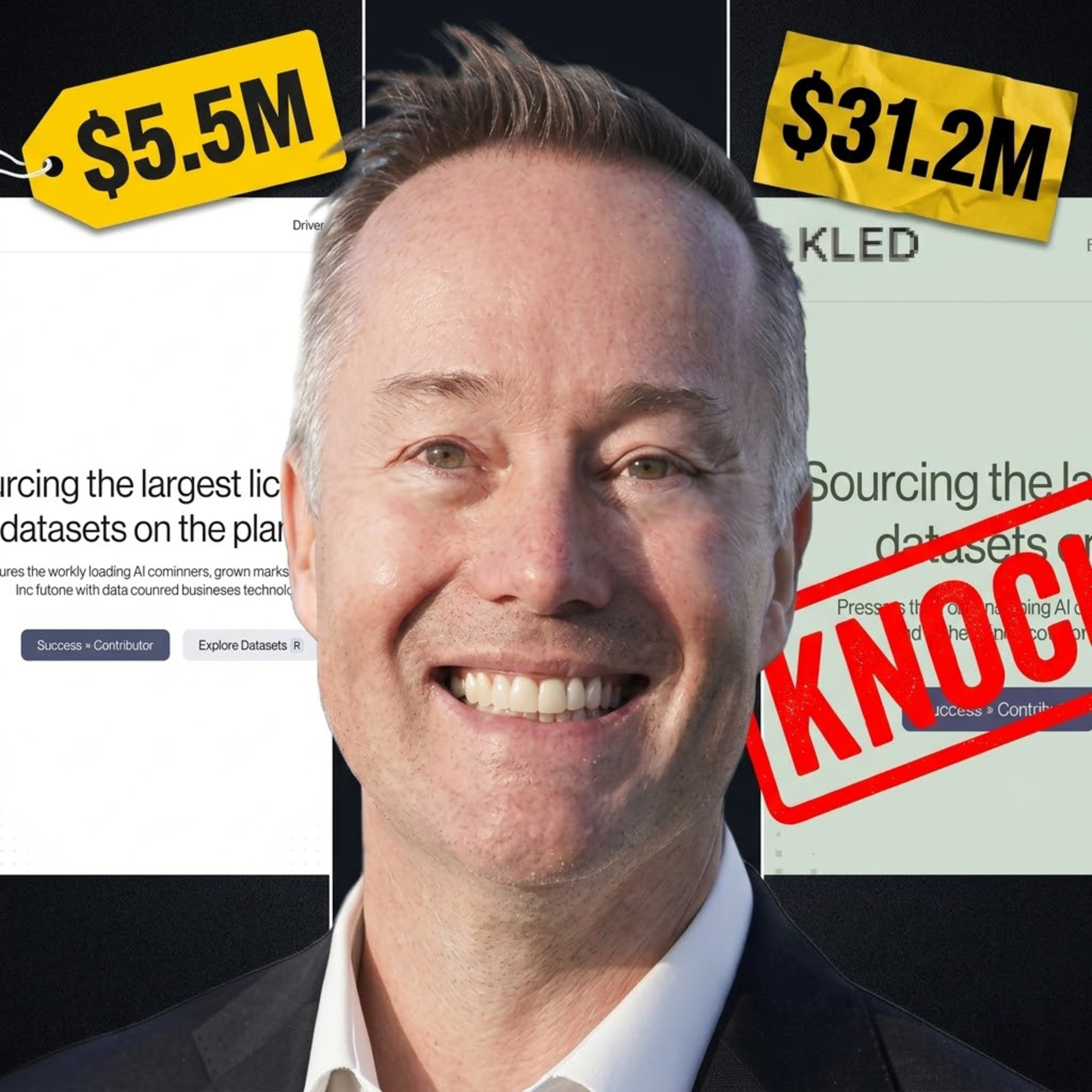
When Kled's founder publicly called out a competitor and their VC, his investors' initial reaction was fear, telling him to take the post down. However, after seeing the public support, they quickly reversed course and backed his aggressive stance.
When criticism emerges online, leaders face a choice: engage or ignore. Engaging can show transparency, as the USVC portfolio manager did in a viral thread. However, it can also amplify a critic with a small following and potentially be an unproductive use of time.

When leading a company with a controversial product, like surveillance tech, the CEO must proactively own the narrative. Instead of using hyperbolic language to attack critics, they should repeatedly and transparently address legitimate concerns about privacy and abuse to avoid debating in bad faith.

The marketing playbook has shifted from promoting products to promoting the personality behind them (e.g., Tesla is Elon Musk). A company without a founder or CEO who can act as a public "character" struggles to gain traction, as corporate messaging accounts are no longer effective in a noisy media environment.

Zuckerberg consistently hires well-regarded figures (Sheryl Sandberg, Nick Clegg) to be the public face of Meta's controversies. These executives serve as 'heat shields,' taking reputational damage in exchange for immense wealth, while he focuses on product.

In the past, with few media channels, the goal was defensive message control. Today, with infinite platforms, the strategy is offensive. Founders should focus on being consistently interesting rather than fearing a single misstep, as they can always 'flood the zone' with new content to correct the narrative.
Major media outlets like The New York Times and Wired have shifted from adversarial to 'advocacy' journalism, pandering to a specific viewpoint. Founders should avoid them and instead invest in building a direct relationship with their audience through long-form podcasts and social media to control their own narrative.