Get your free personalized podcast brief
We scan new podcasts and send you the top 5 insights daily.
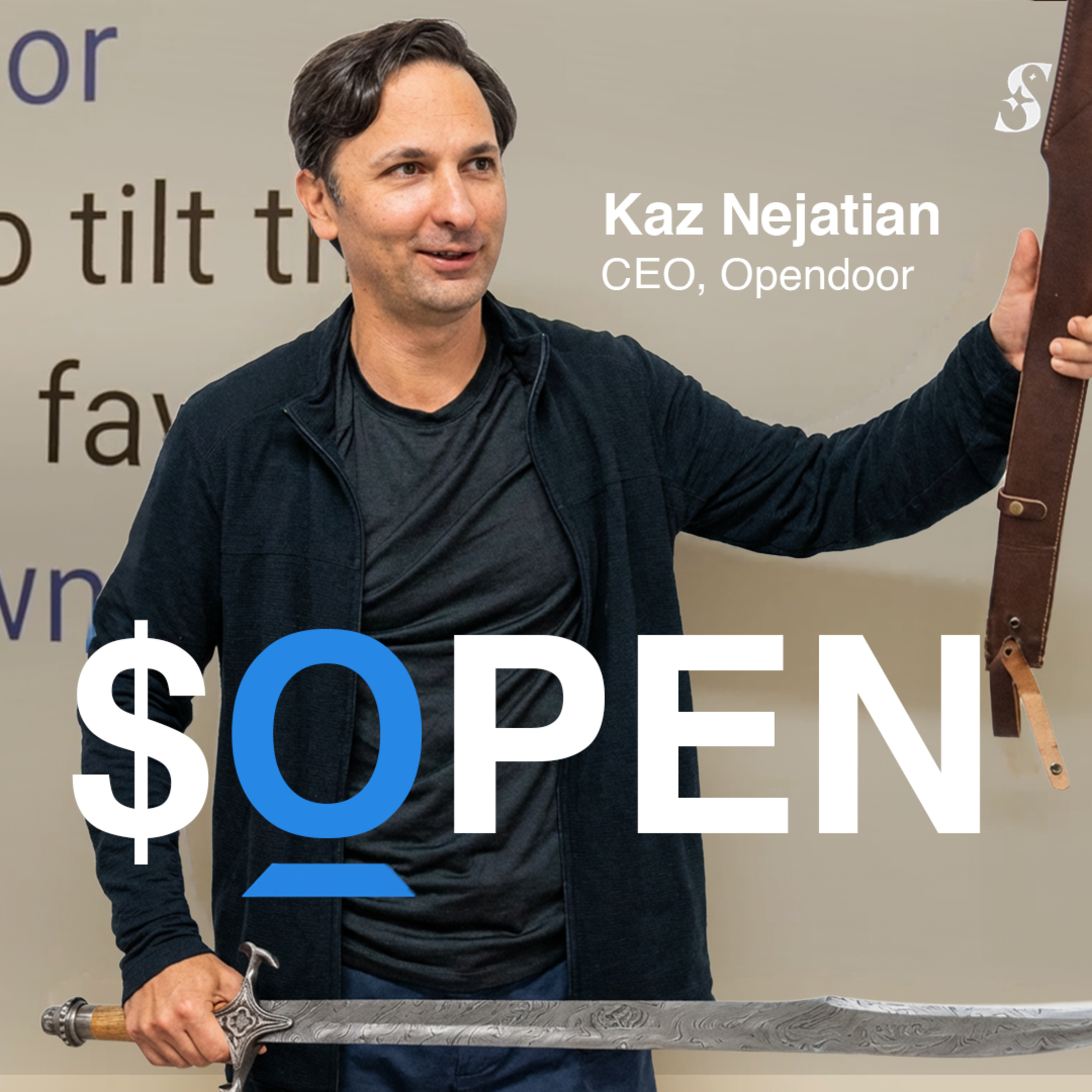
To radically reset company culture, Opendoor's new CEO gave remote employees seven days' notice to return to an office—before physical offices had even been secured. This "shock therapy" approach forced a rapid self-selection of employees committed to the new in-person culture.
Related Insights
Employees cannot change a company's culture from the bottom or middle. Both Gary Vaynerchuk and Tom Bilyeu state unequivocally that culture is dictated 100% from the top leader. If leadership doesn't champion the change, the only viable option for a dissatisfied employee is to leave.

When its Adobe acquisition fell apart, Figma offered "Detach," a program letting any employee leave with three months' pay. This forced a clear decision: opt-in to the hard-charging independent path or leave gracefully. This cultural reset ensured only the most committed people remained for the next chapter.

Instead of mandating a return to office, create an appealing environment people *want* to be part of. Use "carrots" like a beautiful office, high-value summits, and flexible coworking budgets. The soft pressure comes from sharing photos and creating a sense of a vibrant, connected in-person culture (FOMO).

Merge committed to an in-person office, even during peak COVID, believing it was non-negotiable for speed and culture. The core reason: physical proximity makes team members care more about each other's success and holds them accountable in ways remote work can't easily replicate.

Once a company establishes a precedent for remote or hybrid work, it is almost impossible to increase in-office requirements. Founders find that trying to "put the genie back in the bottle" leads to significant employee resistance, making the initial policy decision a critical, one-way door.
When you establish clear boundaries and accountability, employees must make a choice. They either rise to meet the new standards or they leave. This process naturally filters out underperformers and those who prefer low-accountability environments, ultimately strengthening your team.

To encourage a return to the office while offering flexibility, one founder told his 100% remote team that only the top 25% of performers could continue working from home. This created a strong incentive for performance across the company.
To manage the fallout of the failed Adobe deal, Figma offered a voluntary exit package (3 months pay) to anyone no longer committed. This 'Detach' program filtered for motivation, ensuring the remaining team was fully bought-in for the intense period ahead, with only 4% taking the offer.

Changing an entrenched culture is daunting. The best approach is to start small. Identify a group of ambassadors, run a focused pilot project aligned with the desired new culture, learn quickly, and use its success to spread change organically rather than forcing a large-scale overhaul.

Frequent organizational change, such as reorgs, serves as a natural filter. People who are uncomfortable with flux will self-select out, leaving a team that is more adaptable and aligned with a fast-moving company's needs.