Get your free personalized podcast brief
We scan new podcasts and send you the top 5 insights daily.
Kavak rethinks "human-in-the-loop." When an AI agent gets stuck, it doesn't just escalate the task to a human queue. Instead, the agent makes an API call to a human for help, retains ownership of the problem, and learns from the interaction. This closes feedback loops and makes human teams a resource for the primary agent.

Related Insights
Moving beyond the co-pilot model, Genesis has its AI agents work autonomously on complex tasks. They only engage a human when they get stuck or their confidence in a decision drops, inverting the traditional human-in-the-loop workflow for maximum efficiency and creating a system that learns from every interaction.

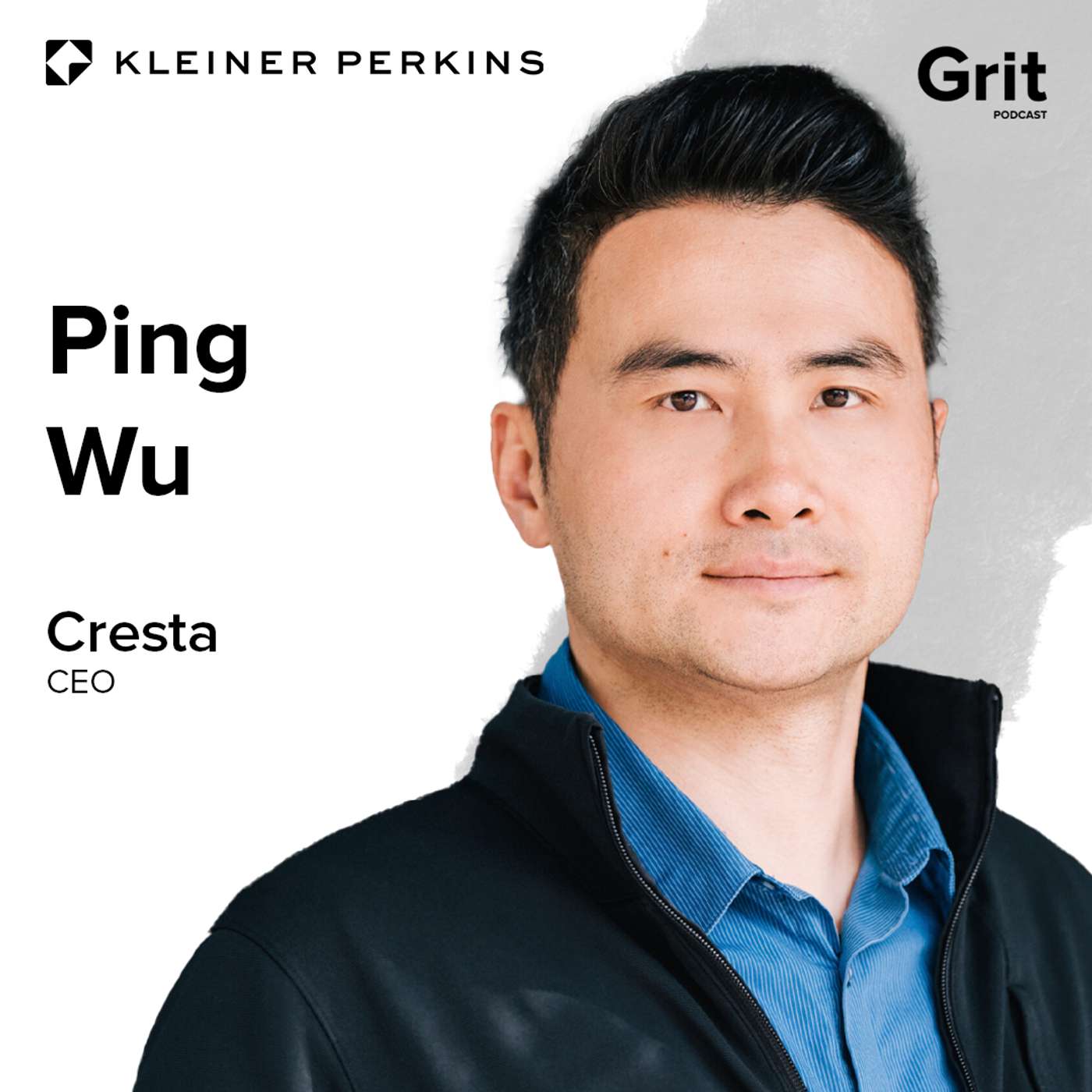
Cresta's CEO advocates for a single AI platform that both assists human agents and powers full automation. This creates a powerful feedback loop: when an AI agent fails, the system observes the human's successful resolution, capturing data to improve the next AI agent iteration.
Don't think of AI as replacing roles. Instead, envision a new organizational structure where every human employee manages a team of their own specialized AI agents. This model enhances individual capabilities without eliminating the human team, making everyone more effective.

Effective enterprise AI deployment involves running human and AI workflows in parallel. When the AI fails, it generates a data point for fine-tuning. When the human fails, it becomes a training moment for the employee. This "tandem system" creates a continuous feedback loop for both the model and the workforce.
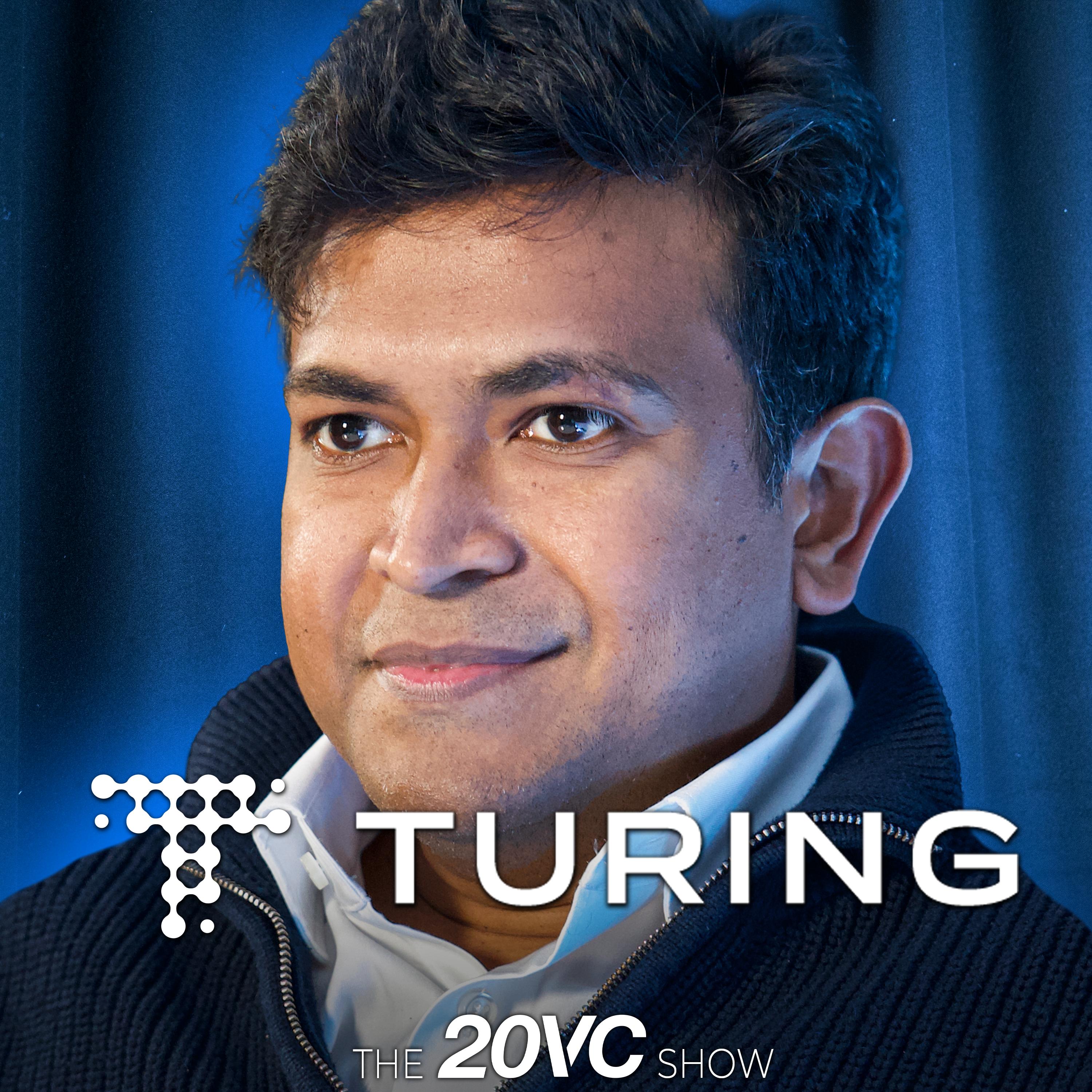
A new 'loop engineering' paradigm structures work into two parts: an 'inner loop' for autonomous AI execution and a human-managed 'outer loop' for strategic direction and oversight. This model clarifies the division of labor, ensuring humans retain control over key decisions while leveraging AI for execution.

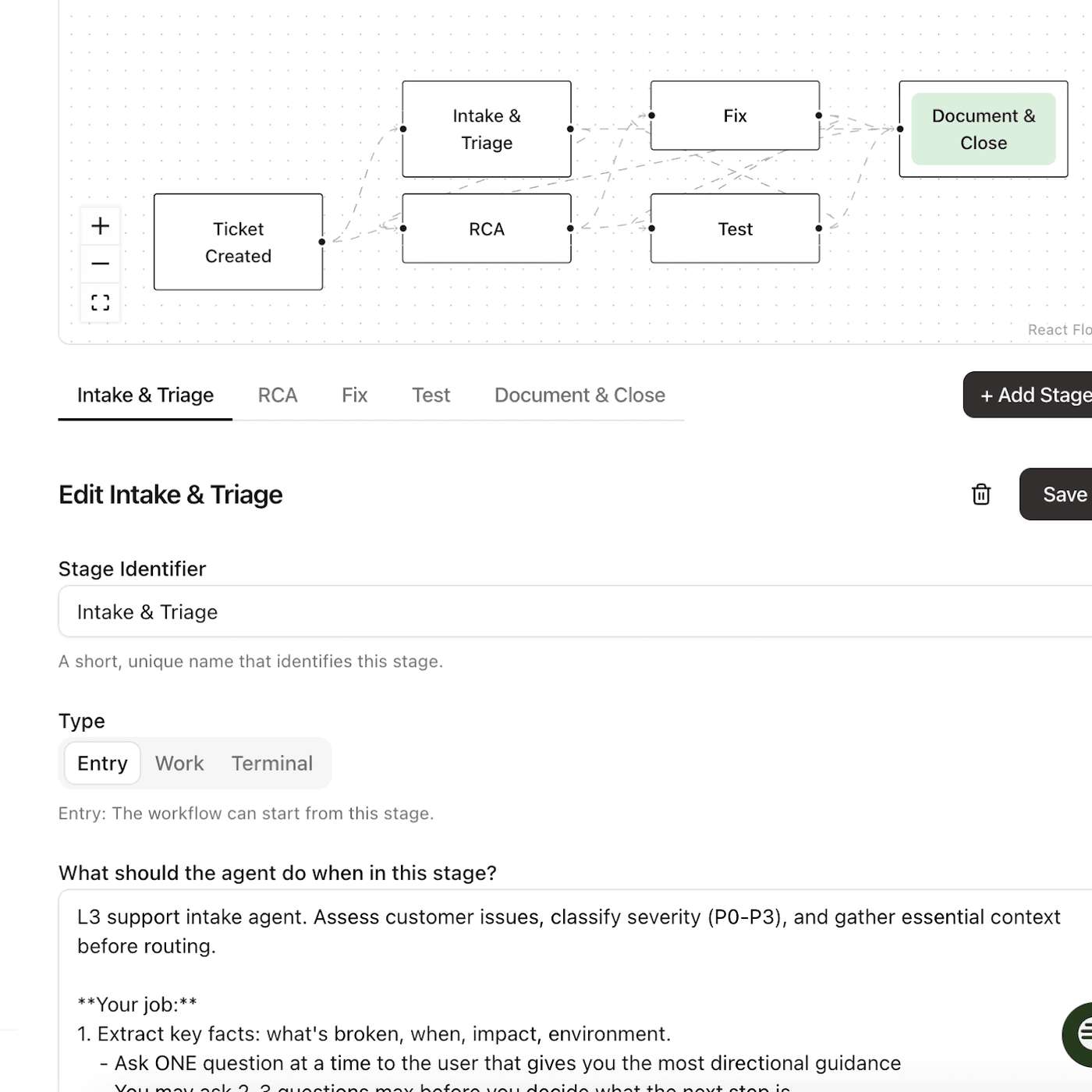
Instead of forcing full autonomy, the AI agent allows teams to start with human approvals at key stages. This 'human-in-the-loop' model builds trust and enables organizations to incrementally automate complex support workflows as they grow more confident in the system's reliability.
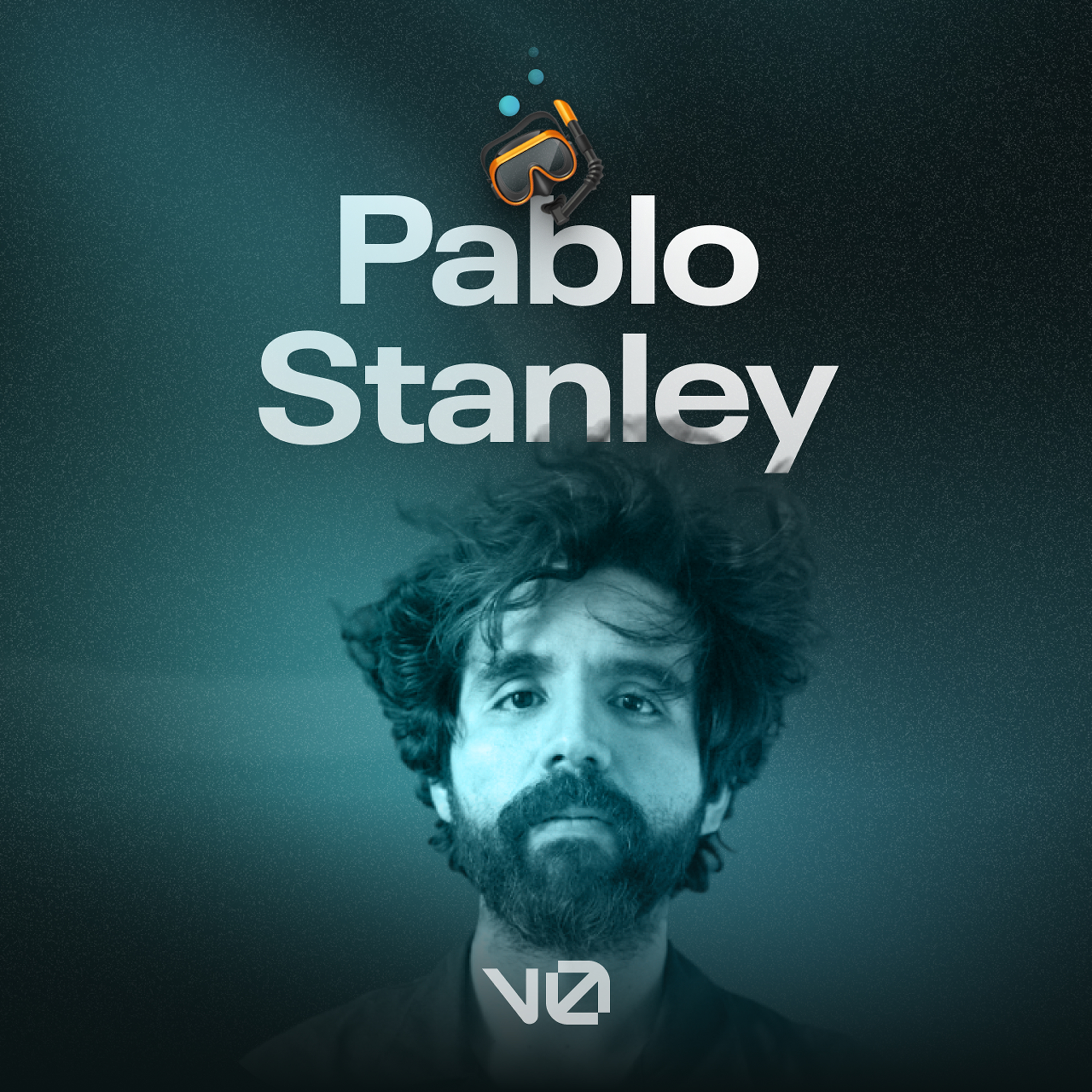
Isolated AI workflows create team disconnects. Pablo Stanley argues for integrating agents into shared, Slack-like environments where they become first-class participants. This allows for transparent, collaborative work between humans and AI, rather than having individuals work with agents in private.
Building an AI agent is the starting point, not the finish line. The real, ongoing work lies in optimizing its performance and training it on new information. This creates an essential new human-in-the-loop role focused on continuous improvement.

Like an F1 team principal, workers can now manage a team of specialized AI agents. This shifts the human role away from performing discrete tasks towards higher-level strategy, outcome-based thinking, and applying unique domain knowledge, making the human more valuable.
Instead of creating one monolithic "Ultron" agent, build a team of specialized agents (e.g., Chief of Staff, Content). This parallels existing business mental models, making the system easier for humans to understand, manage, and scale.