Get your free personalized podcast brief
We scan new podcasts and send you the top 5 insights daily.
Seneca's culture is rooted in the Stoic philosophy of "Amor Fati" (love your fate). When an early drone prototype burst into flames during a test, the team viewed it not as a disaster but as the "best thing that ever happened," providing critical data and fueling a period of intense, "revenge building."

Related Insights
Effective leadership in an innovation-driven company isn't about being 'tough' but 'demanding' of high standards. The Novonesis CEO couples this with an explicit acceptance of failure as an inherent part of R&D, stressing the need to 'fail fast' and learn from it.

Anthropic's team of idealistic researchers represented a high-variance bet for investors. The same qualities that could have caused failure—a non-traditional, research-first approach—are precisely what enabled breakout innovations like Claude Code, which a conventional product team would never have conceived.

Koenigsegg's motto, "the show must go on," frames failures not as setbacks but as inevitable parts of innovation. This cultural mindset fosters immediate problem-solving and resilience, preventing paralysis when crises occur. It is an operational tool for teams pushing boundaries, ensuring constant forward momentum no matter the obstacle.

Using the story of a closed factory, Hamdi Ulukaya illustrates that what initially appears to be a devastating event can become a catalyst for unprecedented positive change. This leadership mindset reframes challenges not as setbacks to be endured, but as chances to rebuild stronger.
Sebastian Thrun advises innovators to eliminate guilt and fear, estimating 80% of his work is correcting mistakes. Feeling guilty about errors stifles risk-taking and leads to safe, incremental work. Instead, he treats mistakes purely as learning opportunities to be applied in the future.
Instead of stigmatizing failure, LEGO embeds a formal "After Action Review" (AAR) process into its culture, with reviews happening daily at some level. This structured debrief forces teams to analyze why a project failed and apply those specific learnings across the organization to prevent repeat mistakes.

When an experimental campaign failed, Edelman's CEO Richard Edelman protected the mid-level employee responsible. He framed the mistake as a necessary cost of innovation in a new field, explicitly telling the team to "keep pushing boundaries." This response fosters a culture where calculated risks are encouraged rather than punished.

Thumbtack's "Google death penalty"—being completely de-indexed—was a crisis that could have killed the company. Co-founder Jonathan Swanson reframes this intense period as a favorite experience because it forged team unity and resilience, proving that existential threats can become powerful, positive catalysts.

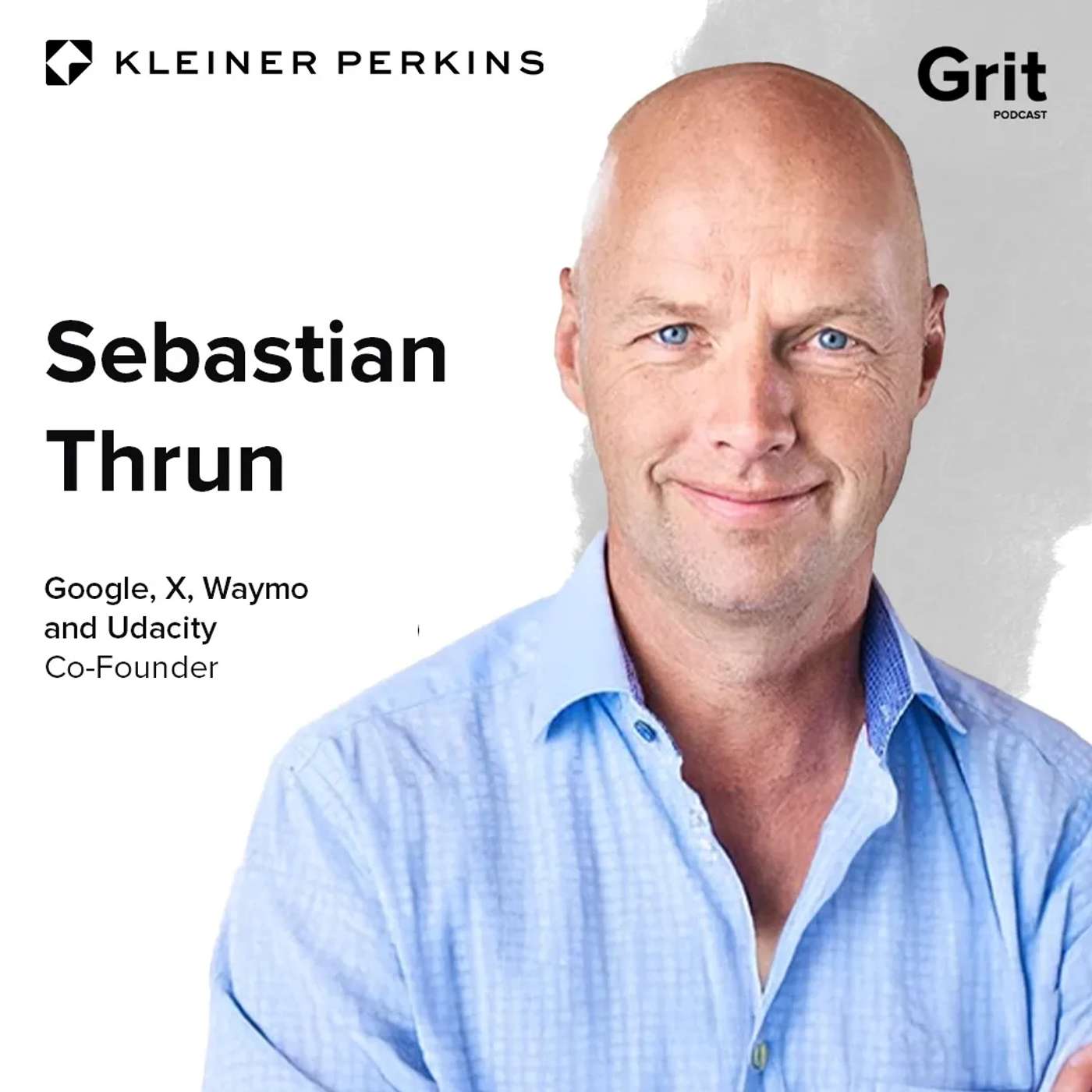
When Miha Books' operations broke—from an overflowing garage to a warehouse too small for their orders—the co-founder celebrated. He views these breaking points not as failures, but as positive indicators of growth. Each 'break' is simply the next problem to solve on the path to scaling the company.
Supercell's culture redefines failure. Instead of punishing unsuccessful projects, they are treated as learning experiments. The company literally celebrates killing a game with champagne, reinforcing that learning from a false hypothesis is a valuable outcome.
