Get your free personalized podcast brief
We scan new podcasts and send you the top 5 insights daily.
Our personal tastes are highly malleable and heavily shaped by our social environment. The guest, Emily Falk, initially found actor Benedict Cumberbatch average-looking. However, after exposure to a book, her partner, and friends who all found him attractive, her own perception shifted dramatically. This demonstrates that our brain's "social relevance system" can override our initial, independent judgments.

Related Insights
It is a profound mystery how evolution hardcodes abstract social desires (e.g., reputation) into our genome. Unlike simple sensory rewards, these require complex cognitive processing to even identify. Solving this could unlock powerful new methods for instilling robust, high-level values in AI systems.

We live in "communities of knowledge" where expertise is distributed. Simply being part of a group where others understand a topic (e.g., politics, technology) creates an inflated sense that we personally understand it, contributing to the illusion of individual knowledge.
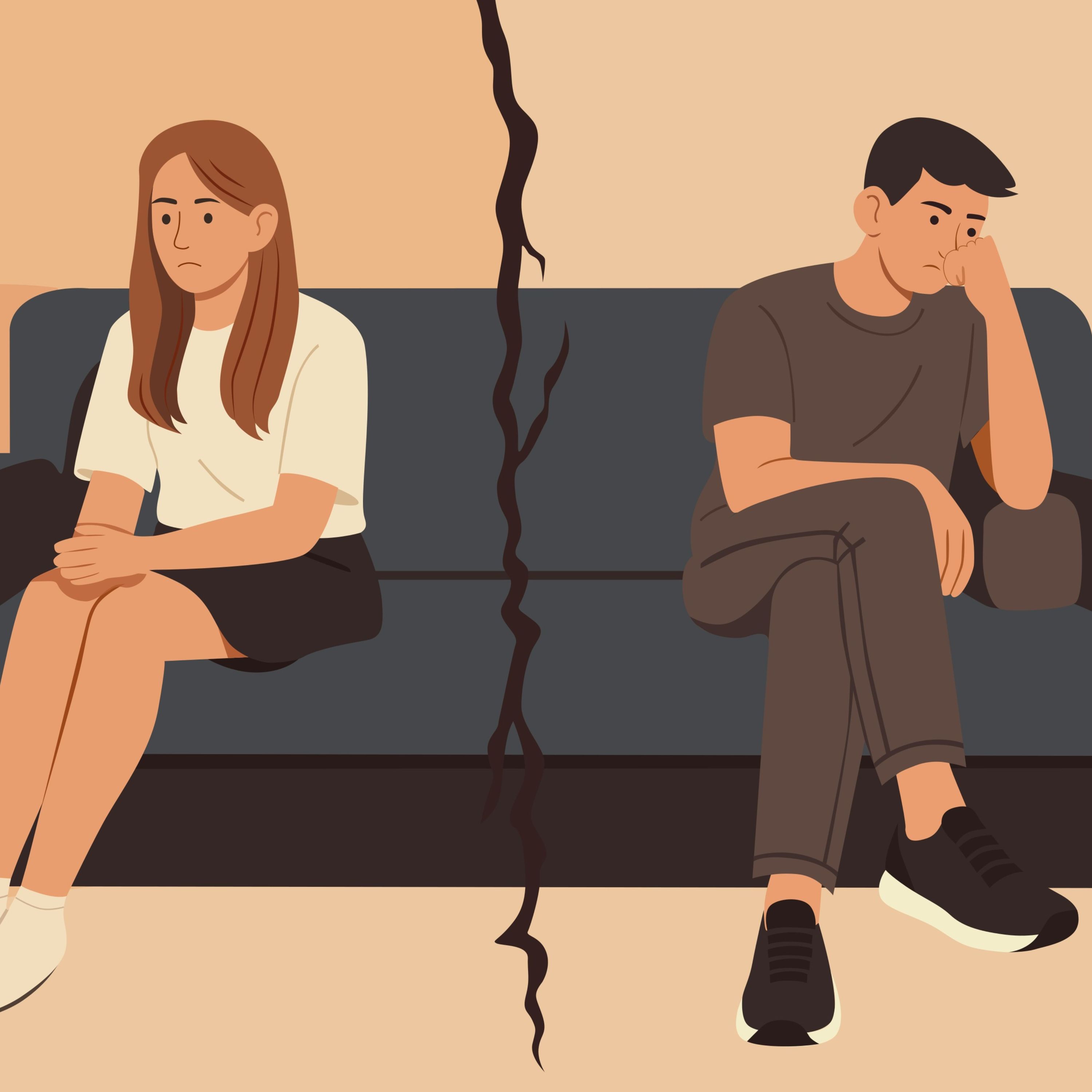
From a young age, we suppress our authentic selves (intuition) to maintain connection with caregivers. This creates a lifelong pattern of seeking external validation over internal knowing, leading us to distrust our gut feelings.

View your total daily interactions (in-person, digital, brief, deep) as a 'social biome.' Like a biological ecosystem, it is shaped both by your choices (e.g., being kind) and by many factors beyond your control (e.g., who you encounter). This perspective highlights the cumulative impact of small, seemingly minor interactions.

Most people (88%) agree on fundamental values but remain silent, fearing ostracization. This allows the most extreme 5% of voices to dominate 90% of public discourse, creating a false impression of widespread disagreement and polarization where one doesn't exist.

When presented with direct facts, our brains use effortful reasoning, which is prone to defensive reactions. Stories transport us, engaging different, more social brain systems. This allows us to analyze a situation objectively, as if observing others, making us more receptive to the underlying message.
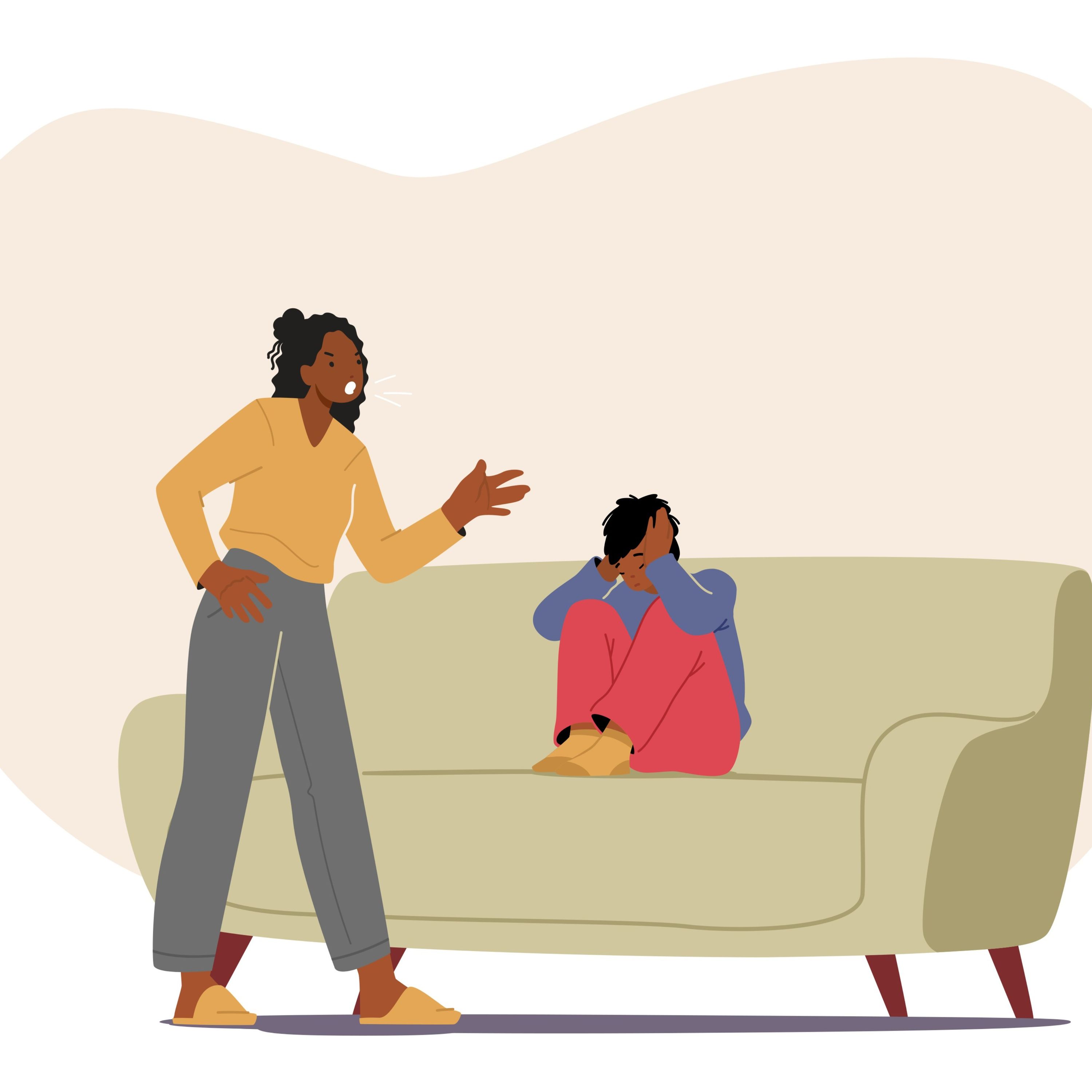
A cognitive bias causes us to consistently underestimate how much we will enjoy a social interaction. This flawed prediction leads to choosing isolation (e.g., a night on the couch) over connection, even when socializing would be significantly better for our brain health and well-being.
Our sense of self isn't an innate property but an emergent phenomenon formed from the interaction between our internal consciousness and the external language of our community (the "supermind"). This implies our identity is primarily shaped not by DNA or our individual brain, but by the collective minds and ideas we are immersed in.
A study found that men’s real-world sexual success was highly correlated with how intimidating other men found them, not by how attractive women rated them. This suggests female mate choice is less about direct selection and more about passively choosing the victors of intra-male competition, validating a 'male competition theory' of attraction.
Humans are heavily influenced by what others do, even when they consciously deny it. In a California study, homeowners' energy usage was most strongly predicted by their neighbors' habits. However, when surveyed, these same residents ranked social influence as the least important factor in their decisions, revealing a powerful disconnect between our perceived autonomy and actual behavior.