Get your free personalized podcast brief
We scan new podcasts and send you the top 5 insights daily.
A cognitive bias causes us to consistently underestimate how much we will enjoy a social interaction. This flawed prediction leads to choosing isolation (e.g., a night on the couch) over connection, even when socializing would be significantly better for our brain health and well-being.

Related Insights
Western culture promotes a "left-shifted" brain state, prioritizing productivity and survival (left hemisphere). This state of constant sympathetic activation disconnects us from our bodies, emotions, and relational capacity (right hemisphere), directly causing our modern epidemic of loneliness.

Society rewards hyper-independence, but it's often a coping mechanism to avoid relational vulnerability. This external validation creates a vicious cycle, leading to external success but profound internal disconnection and loneliness, as the behavior is both protective and culturally applauded.
Face-to-face contact provides a rich stream of non-verbal cues (tone, expression, body language) that our brains use to build empathy. Digital platforms strip these away, impairing our ability to connect, understand others' emotions, and potentially fostering undue hostility and aggression online.
View your total daily interactions (in-person, digital, brief, deep) as a 'social biome.' Like a biological ecosystem, it is shaped both by your choices (e.g., being kind) and by many factors beyond your control (e.g., who you encounter). This perspective highlights the cumulative impact of small, seemingly minor interactions.
Studies show a significant gap between how much people *think* they will enjoy a walk in nature and how much they *actually* enjoy it afterward. This forecasting error can prevent individuals from seeking out a simple, effective, and accessible way to improve their mood and cognitive function.
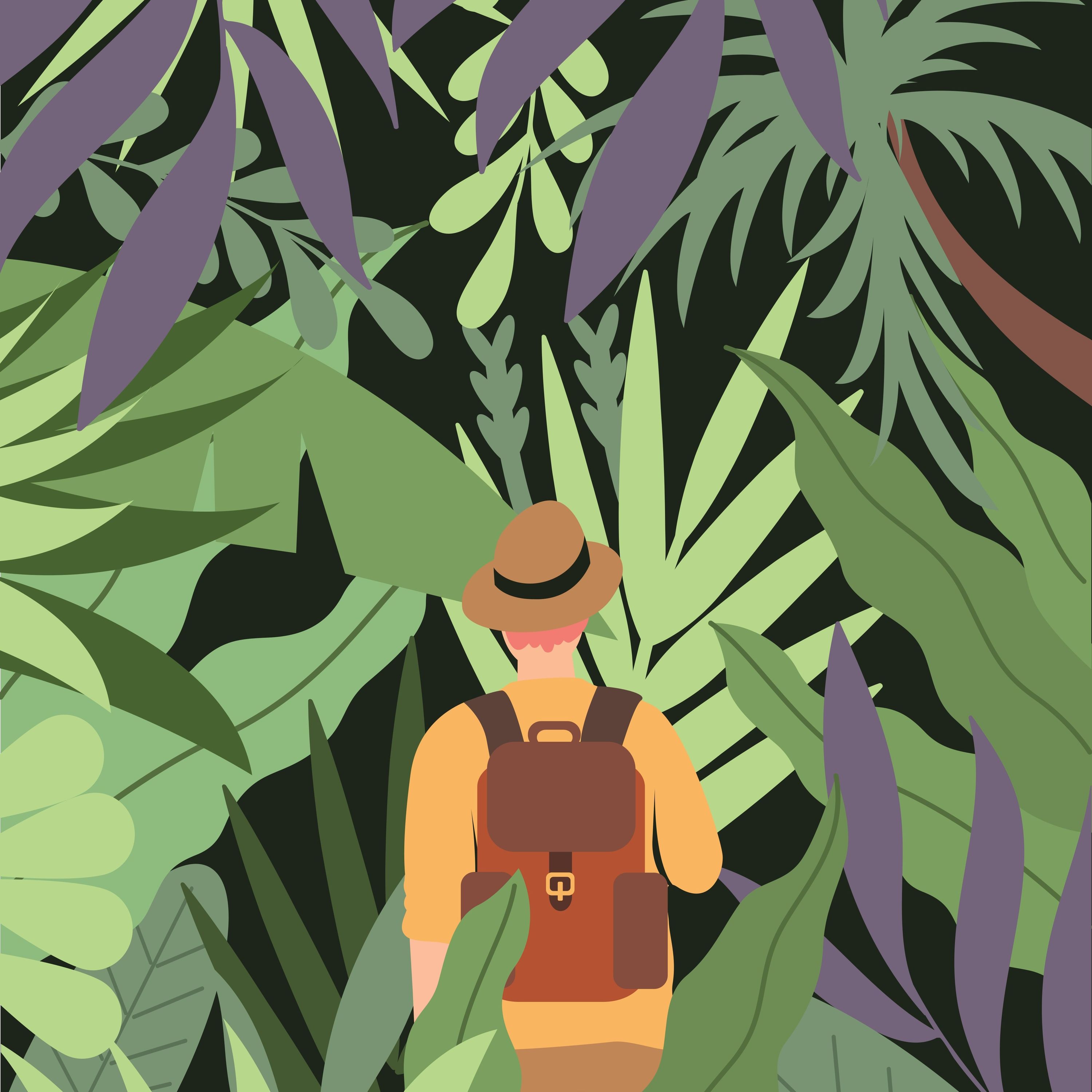
We spend more time alone due to structural factors and technology that enable avoiding interaction. This 'interiority' is a self-reinforcing cycle: as we interact less, our social skills can atrophy and social inertia sets in, making it progressively more difficult and energy-intensive to re-engage with others.
Our brains evolved to equate social isolation with a mortal threat, triggering a physiological stress response. This elevates cortisol and causes chronic inflammation, leading to severe health consequences, with studies showing isolated individuals are 32% more likely to die from any cause.
A socially satisfying life requires solitude, but the quality of that solitude depends on social interaction. Research shows people feel more content when alone *after* positive social experiences. Connection replenishes us in a way that transforms solitude from a state of loneliness into one of restorative contentment.
Resolutions often fail because a specific brain network, the "value system," calculates choices based on immediate, vivid rewards rather than distant, abstract benefits. This system heavily discounts the future, meaning the present pleasure of a milkshake will almost always outweigh the vague, far-off goal of better health, creating a constant internal conflict.
Humans are heavily influenced by what others do, even when they consciously deny it. In a California study, homeowners' energy usage was most strongly predicted by their neighbors' habits. However, when surveyed, these same residents ranked social influence as the least important factor in their decisions, revealing a powerful disconnect between our perceived autonomy and actual behavior.