Get your free personalized podcast brief
We scan new podcasts and send you the top 5 insights daily.
The CEO of surveillance camera company Flock stated he was wrong to assume regulatory processes would provide civil liberty protections for his product. This is a stark admission of a company deferring ethical responsibility to government bodies that may be unprepared to provide necessary oversight.

Related Insights
To combat concerns over surveillance abuse, Flock Safety has built and mandated a free tool for its law enforcement customers that automatically scans audit logs for abnormal search behavior. This self-policing approach is a novel attempt by a technology provider to enforce accountability and build public trust.

When companies like OpenAI and Anthropic pull products due to risk, it's a clear signal that they are unable to self-govern. This action is interpreted as a plea for government oversight, as relying on the social conscience of a few CEOs is an unsustainable model.

The podcast highlights a core paradox: widespread fear of corporate surveillance systems like Ring coexists with public praise for citizens using identical technology (cell phones) to record law enforcement. This demonstrates that the perceived controller and intent, not the technology itself, dictate public acceptance of surveillance.
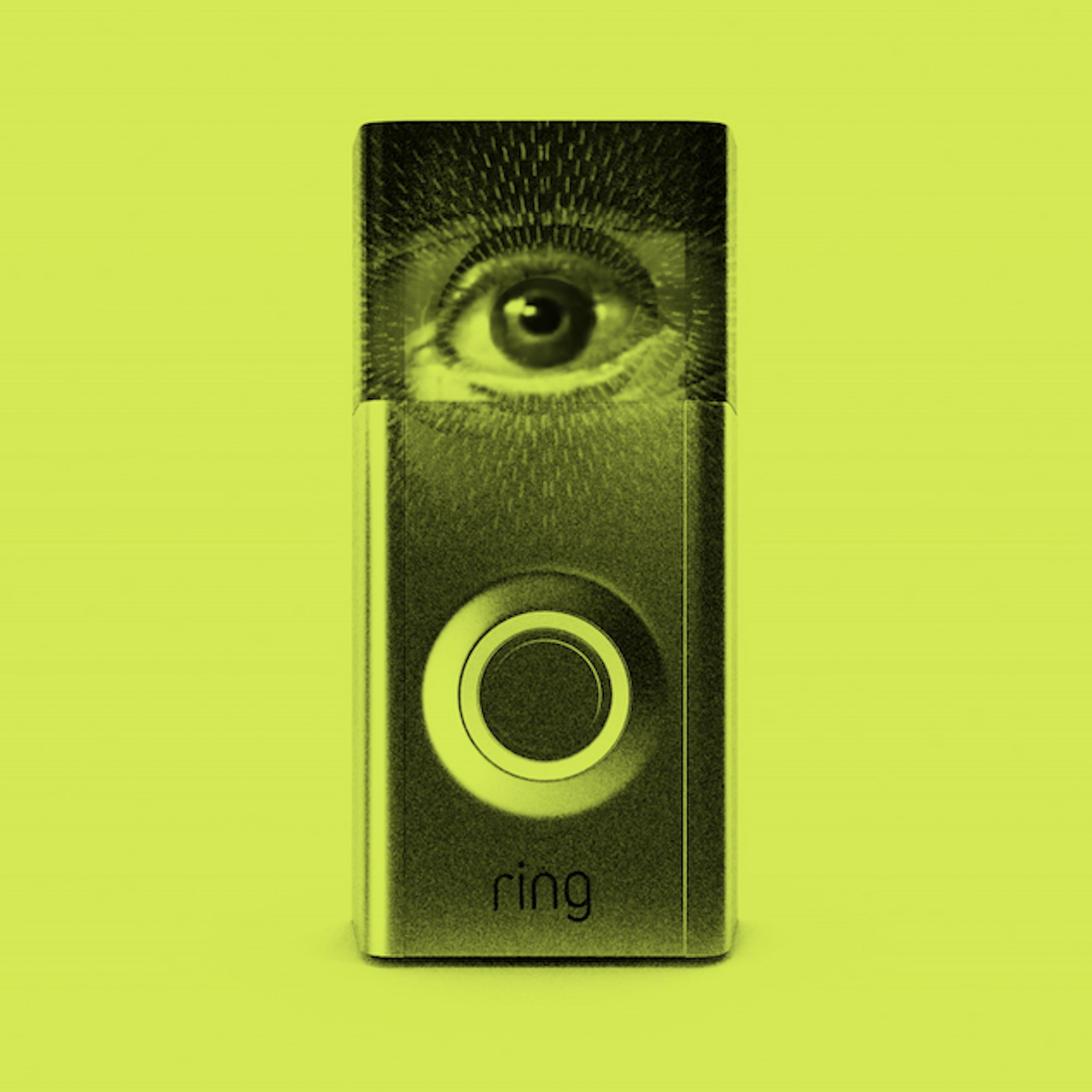
The debate over Flock's license plate readers highlights a societal contradiction. Citizens broadly oppose mass surveillance on privacy grounds but demand the use of these exact tools to solve crimes after they occur, creating a constant policy tension.

When leading a company with a controversial product, like surveillance tech, the CEO must proactively own the narrative. Instead of using hyperbolic language to attack critics, they should repeatedly and transparently address legitimate concerns about privacy and abuse to avoid debating in bad faith.

In 2019, Axon publicly halted its use of facial recognition, deciding the technology's capabilities and inherent biases presented too much risk versus its value in law enforcement. This demonstrates a proactive, ethics-first approach, delaying monetization until the technology was mature and safer, rather than rushing to market.

Flock Safety influences community privacy standards by setting a default 7-day data retention period. While democratically-elected officials can change this, the default sets a powerful baseline, effectively acting as a form of policy-making for their government clients who may lack deep technical expertise.

With limited legislative or judicial oversight, private tech companies are becoming a de facto defense for civil liberties. By refusing contracts and setting ethical red lines, firms like Anthropic and Apple create procedural hurdles to government power that otherwise wouldn't exist.

Flock Safety learned that public distrust of law enforcement was being transferred directly to their brand. CEO Garrett Langley realized his initial "we just sell a tool" stance was untenable. In controversial sectors, a vendor must own the responsibility for customer misuse, as the customer's reputation becomes the vendor's liability.
The Trust & Safety field, once a powerful internal voice for user rights and ethical principles, has been systematically weakened. To appease political pressures, tech companies have pushed out vocal advocates, reducing the role to a mere compliance function and leaving platform governance to the whims of their leaders.
