Get your free personalized podcast brief
We scan new podcasts and send you the top 5 insights daily.
Flock Safety influences community privacy standards by setting a default 7-day data retention period. While democratically-elected officials can change this, the default sets a powerful baseline, effectively acting as a form of policy-making for their government clients who may lack deep technical expertise.

Related Insights
To combat concerns over surveillance abuse, Flock Safety has built and mandated a free tool for its law enforcement customers that automatically scans audit logs for abnormal search behavior. This self-policing approach is a novel attempt by a technology provider to enforce accountability and build public trust.

As AI-powered sensors make the physical world "observable," the primary barrier to adoption is not technology, but public trust. Winning platforms must treat privacy and democratic values as core design requirements, not bolt-on features, to earn their "license to operate."

Federal and state governments are massive customers of technology. Instead of relying solely on legislation, they can use their procurement power to enforce AI safety and ethical standards. By setting strict purchasing requirements, they can compel companies to build more responsible products.
In the controversial surveillance market, what Flock's product *doesn't* do is as important as what it does. By deliberately omitting features offered by competitors—like facial recognition or video capture—Flock builds a "privacy-first" brand. These "negative features" are a powerful tool for differentiation and building trust.
AI-powered tools like Flock Safety are so effective that reducing crime is now a political choice for municipalities, not a technological one. Cities like Cambridge are actively choosing to disable tools like gunshot detectors, creating a pro- or anti-crime policy divide.

Within hours of Fable 5's launch, Microsoft began restricting employee access due to a policy allowing Anthropic to retain even deleted messages for 30 days. This demonstrates how model provider policies, not just performance, are now a critical and immediate risk factor for enterprise AI adoption.

In the divisive public safety market, Axon's philosophy is not to impose its own policy views. Instead, its product teams focus on creating flexible tools with the right "knobs and dials." This empowers individual police departments to implement policies appropriate for their specific communities, making the product adaptable and widely adoptable.

Flock's data shows a 7-day retention window is sufficient for 90% of crime-solving. However, the most severe crimes, like homicides or delayed rape reports, often fall into the 10% requiring longer retention. This quantifies the difficult trade-off communities face between privacy and solving heinous offenses.
Anthropic's policy of retaining Fable model inputs for 30 days for safety monitoring is a roadblock for regulated industries (legal, medical) and enterprises like Microsoft concerned with data control. However, developers focused on coding are more willing to accept the risk for the model's superior performance.

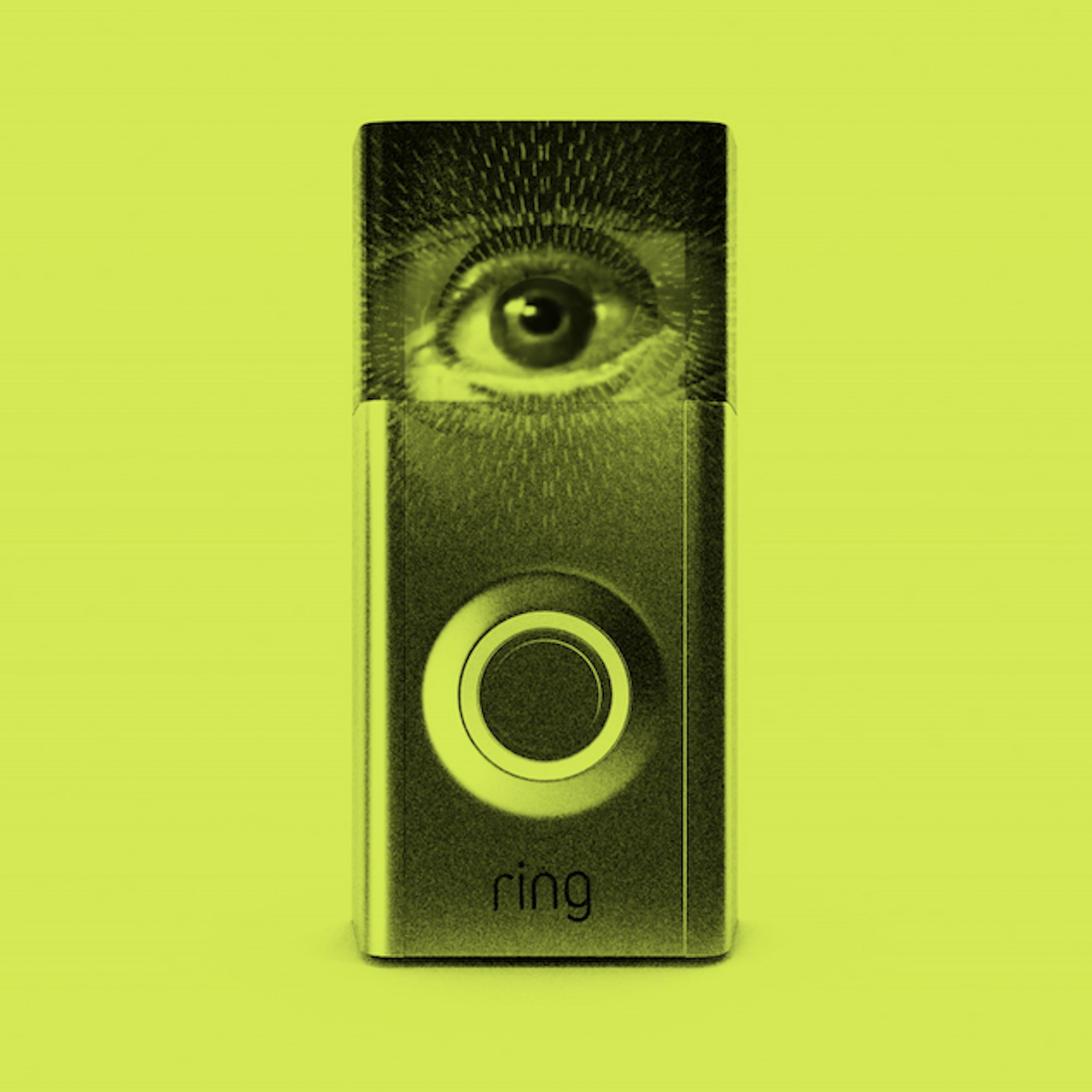
A swift and intensely negative public reaction, amplified by social media influencers, directly led Amazon's Ring to cancel its planned integration with surveillance firm Flock Safety just days after its announcement. This shows public opinion on privacy can act as a powerful and immediate check on corporate strategy.