Get your free personalized podcast brief
We scan new podcasts and send you the top 5 insights daily.
Flock Safety learned that public distrust of law enforcement was being transferred directly to their brand. CEO Garrett Langley realized his initial "we just sell a tool" stance was untenable. In controversial sectors, a vendor must own the responsibility for customer misuse, as the customer's reputation becomes the vendor's liability.

Related Insights
To combat concerns over surveillance abuse, Flock Safety has built and mandated a free tool for its law enforcement customers that automatically scans audit logs for abnormal search behavior. This self-policing approach is a novel attempt by a technology provider to enforce accountability and build public trust.

Lawyers are paid to minimize legal risk. A CEO's unique role is to balance that counsel against other crucial factors like customer trust, employee morale, and future opportunities. Ceding decision-making entirely to the legal team is a failure of leadership that can lead to catastrophic, albeit less immediately visible, losses.

Executives must understand that customers don't differentiate between a technology failure and a brand failure. A poor bot interaction directly damages brand equity and trust, making it a C-suite concern, not just an IT issue.

While payment security is a concern, a bigger hurdle for AI commerce adoption is the question of liability. A significant percentage of consumers believe the answer engine platform would be liable for a botched transaction, a trust threshold that platforms and brands must address before adoption can accelerate.

Marketing leaders shouldn't wait for FTC regulation to establish ethical AI guidelines. The real risk of using undisclosed AI, like virtual influencers, isn't immediate legal trouble but the long-term erosion of consumer trust. Once customers feel misled, that brand damage is incredibly difficult to repair.

Brands can no longer remain passive on controversial topics. Audiences increasingly penalize inaction, viewing silence not as neutrality but as a deliberate position. This forces companies to take a stand, even when their customer base has fractured and conflicting views.

While AI-driven misinformation is a broad threat, the specific, high-impact risk of a deepfaked CEO making a market-moving announcement is the primary catalyst compelling brands to finally invest seriously in comprehensive reputation and risk management systems.
When leading a company with a controversial product, like surveillance tech, the CEO must proactively own the narrative. Instead of using hyperbolic language to attack critics, they should repeatedly and transparently address legitimate concerns about privacy and abuse to avoid debating in bad faith.

A city canceled its Flock contract after officials mistakenly attributed a competitor's facial recognition feature to Flock's system based on a Google search. This highlights a critical vulnerability for companies in controversial industries: you can lose business based on public confusion and misinformation about your competitors.
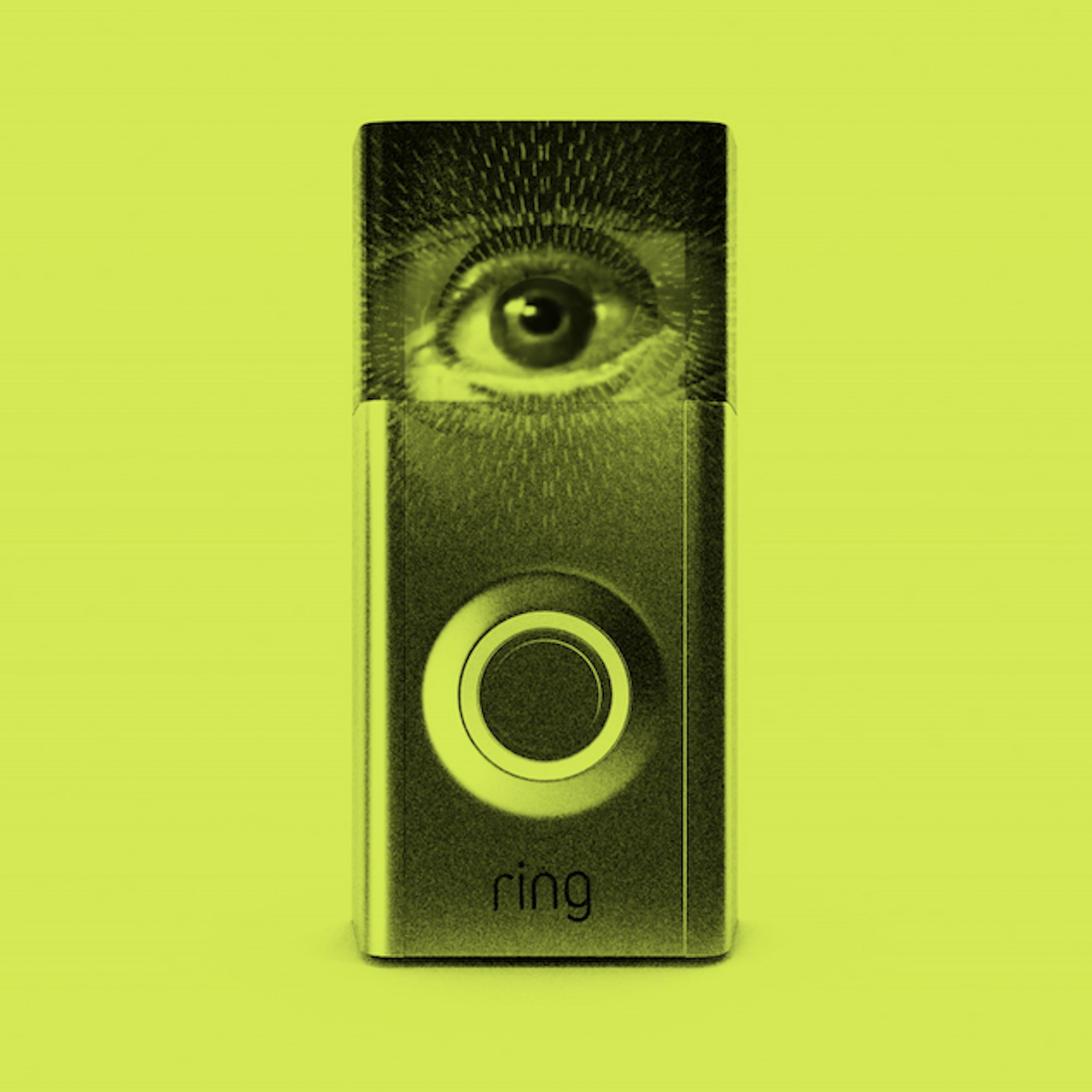
A swift and intensely negative public reaction, amplified by social media influencers, directly led Amazon's Ring to cancel its planned integration with surveillance firm Flock Safety just days after its announcement. This shows public opinion on privacy can act as a powerful and immediate check on corporate strategy.