Get your free personalized podcast brief
We scan new podcasts and send you the top 5 insights daily.
Recognizing the Trump administration's "America First" stance, Lebanese President Joseph Aoun's visit to the White House focuses on making a business case for U.S. involvement. Instead of asking for donations, the strategy is to present investment opportunities in sectors like ports and telecommunications.
Related Insights
Unlike politicians who push a pre-set agenda, Trump engages business leaders by asking what their biggest problems are and what he can do to help. This listening-first approach, followed by direct action, builds powerful alliances and is a key feature of his political style.
The traditional foreign aid model creates dependency. Zipline's success in Africa shows that developing countries are eager to be commercial partners, investing their own capital to purchase advanced technology like AI and robotics. This "trade, not aid" approach builds their economies and creates stronger alliances.
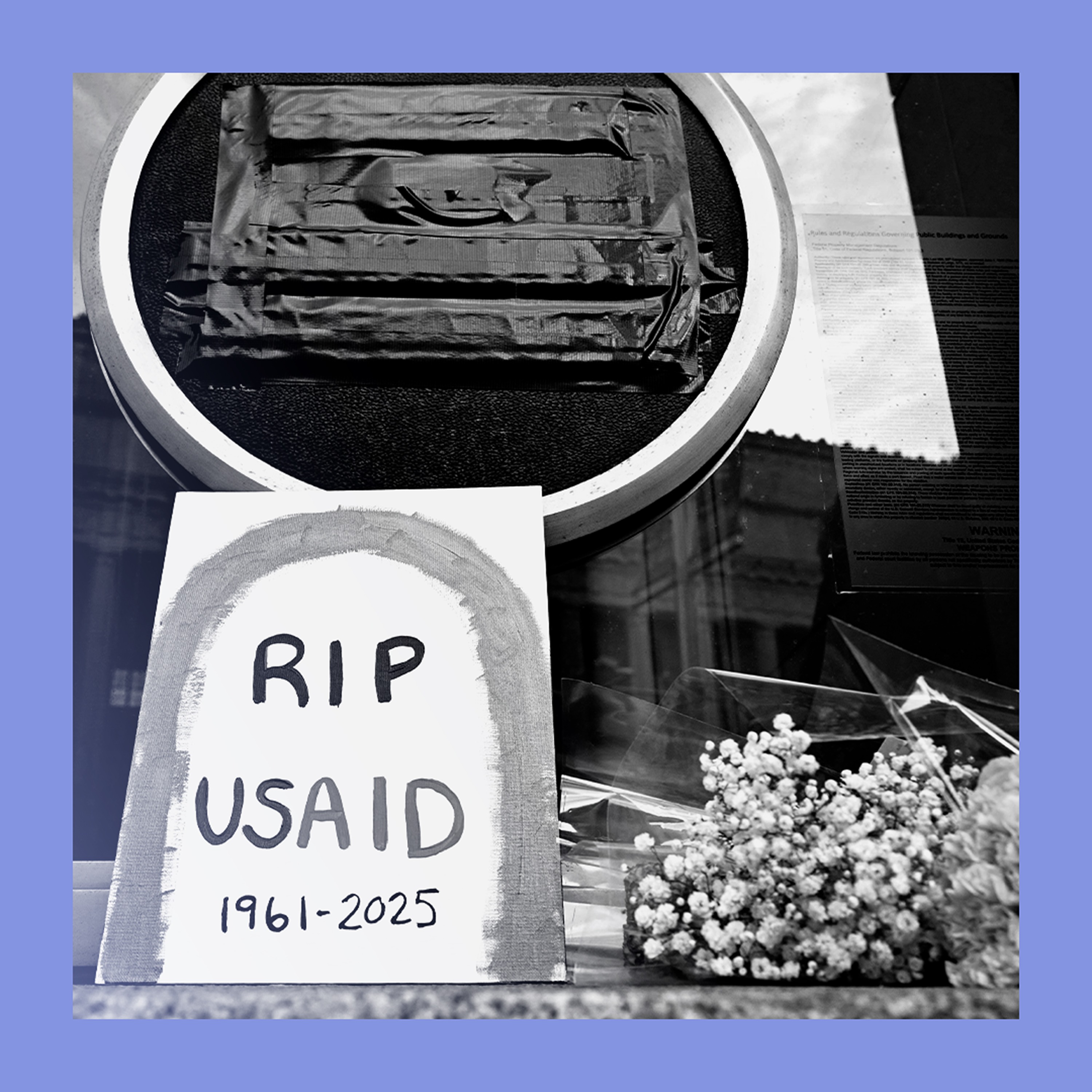
Despite dismantling traditional aid programs to save taxpayer money, Trump's new strategy of bailing out allies, countering China, and securing supply chains is projected to be incredibly expensive. This new approach of weaponized aid could ultimately exceed previous USAID spending levels, contradicting its cost-saving premise.
By bringing top CEOs to Beijing, Trump forces direct, high-stakes negotiations between corporate and government decision-makers. This "all-in-one-room" approach aims to circumvent intermediaries like lawyers and achieve concrete deals in real-time, accelerating a process that would otherwise take months.

Beyond financial diversification, Gulf States may be using their significant investments in American venture capital as a bargaining chip. By threatening to review or pull back these commitments, they can apply economic pressure on the US administration to seek diplomatic solutions to conflicts like the Iran war.

Instead of fearing Trump's unpredictability, foreign leaders can manipulate it. By appealing to his desire for a 'peace through strength' legacy and his need to showcase American power, a country like Mexico could secure significant military and economic aid by framing it as a clear win for him.

The US is countering China's state-led infrastructure projects by creating commercially viable platforms for its private sector. This strategy leverages America's corporate strength to build sustainable, market-driven supply chains, avoiding the "debt trap" reputation of China's initiative by empowering companies rather than governments.

For a country dependent on a powerful neighbor like the U.S., the path to a fairer relationship is creating leverage. This is achieved by developing independent infrastructure, like pipelines and LNG terminals, to sell resources to other world markets. With viable alternatives, the country can negotiate from a position of strength, not desperation.
The U.S. presence in the Middle East is less about policing the world and more about strategic engagement with the new nexus of global capital, specifically the GCC nations. The goal is to attract this massive pool of investment back to the U.S. to fund critical infrastructure projects like AI development and compete with China.

Lebanon's new leadership plans to undermine Hezbollah's support by rebuilding the south and providing government services. However, this strategy is stalled because the country's severe economic crisis leaves them without the necessary resources, creating a difficult catch-22 situation.