Get your free personalized podcast brief
We scan new podcasts and send you the top 5 insights daily.
To avoid impulsive comments in tense situations, create psychological distance. This pause allows you to "react" (think then act) rather than impulsively "respond." Simply asking for a moment or stating your feeling gives you the space to make a more conscious choice.

Related Insights
Mindfulness allows you to see thoughts and emotions not as commands, but as suggestions from a "tiny dictator" you don't have to obey. This mental model creates distance, enabling you to observe an impulse (like anger) arise and pass without acting on it, shifting from reflexive reaction to wise response.
The difficulty in a conversation stems less from the topic and more from your internal thoughts and feelings. Mastering conflict requires regulating your own nervous system, reframing your perspective, and clarifying your motives before trying to influence the other person.
The brain's emotional center is five times stronger than its rational part. When triggered by stress, it shuts down executive function. A deliberate 90-second pause is a powerful antidote that allows the physiological wave of emotion to pass, enabling clearer, more considered decision-making.

To move from emotional reactivity to strategic choice in conflict, use a three-step process. First, recognize your physical and emotional triggers (Self-Awareness). Next, consciously calm your nervous system (Pause). Finally, shift your view from a threat to a learning opportunity (Reframe).
When feeling attacked, zoom out. Affirming core values, considering the issue from a future perspective, or imagining a wise role model's response creates psychological distance. This detaches your self-worth from the specific criticism, allowing you to engage with it more openly.
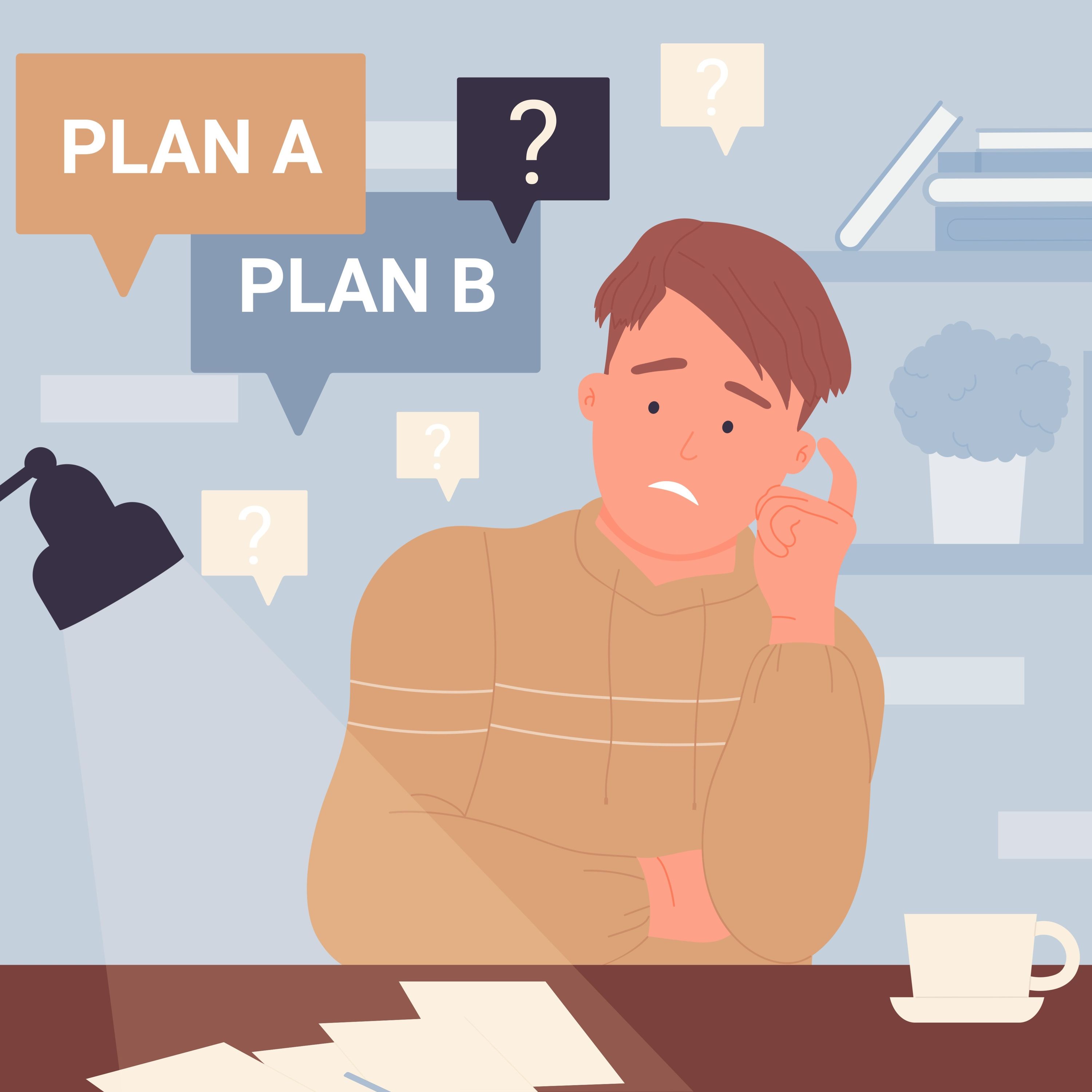
In difficult discussions, choosing not to respond is a powerful tool. It serves as a boundary on yourself to prevent a reactive, unhelpful comment and is a conscious choice when you recognize a conversation is unproductive. It's about control, not passivity.
Effective spontaneous responses require listening beyond just words. Use the 'Pace, Space, Grace' framework: slow down your urge to respond immediately (Pace), create mental distance to see the larger context (Space), and give yourself permission to trust your intuition about the situation (Grace).
The real leadership challenge isn't feeling negative emotions, but the "inflation" of those feelings into disproportionate reactions. This is caused by misinterpretations, taking things personally, or past trauma. The goal is to manage the intensity of the reaction, not the feeling itself.

In a tense meeting or interview, focusing on summarizing the other person's points serves a dual purpose. It makes them feel heard, but more importantly, it gives your own nervous system time to settle. This shifts focus outward, reducing internal anxiety and allowing you to respond more calmly and effectively.
To slow down a heated or fast-paced conversation, avoid telling the other person to calm down. Instead, validate their emotional state by acknowledging it directly, e.g., 'I hear you have a lot of passion here.' This meta-commentary creates space and can de-escalate the intensity without being confrontational.