Get your free personalized podcast brief
We scan new podcasts and send you the top 5 insights daily.
Day jobs are not a sign of failure but a strategic tool for creative freedom. Bryce Dallas Howard argues they provide the financial stability needed to pursue art without fear, allowing for experimental projects and removing the pressure of immediate financial return from one's passion.

Related Insights
Mayim Bialik rejects the popular "follow your passion" mantra, viewing it as impractical and risky. She advocates for developing a sustainable, practical skill set first, which provides the financial stability necessary to pursue creative or less certain career paths without succumbing to the "struggling artist" life.

By achieving financial independence, creators can treat passion projects as pure art, free from the pressure of immediate ROI. This artistic integrity often becomes its own best marketing, attracting bigger opportunities and paradoxically leading to greater commercial success down the line.

Despite her success, Zarna Garg would not want her children to pursue comedy professionally from the start. She advises treating it as a hobby first to build skills and test market viability without the immense pressure and financial risk of a full-time commitment, a practical alternative to the "burn the boats" mentality.

Instead of the risky "follow your dreams" mantra, a more sustainable approach is to treat your unique talents and interests as sacred. Nurture them by choosing a career that allows you time and space to engage with them, rather than betting your entire livelihood on them succeeding.
Monologue creator Naveen Nadeau arranged to work three days a week at his old job while exploring new ideas. This provided financial stability and runway, allowing him to experiment with less pressure before committing full-time to his own venture.

Stuart Shuffman advises creatives to keep at least one regular shift at a day or night job. This provides crucial financial stability when creative income is volatile and offers a structured way to stay connected to the outside world, preventing creative burnout and isolation.

People are already "pros" in their day jobs because the structure enforces discipline. When pursuing a creative passion, they often drop this mindset. The key is to transfer that same non-negotiable, show-up-every-day attitude to your own projects.
Instead of seeking a soul-fulfilling first venture, focus on a business that pays the bills. This practical approach builds skills and provides capital to pursue your true passion later, without the pressure of monetization.

Pursuing a calling is often not feasible without independent wealth or extreme luck. Detaching your identity from a practical job and using it to fund your life can be a safer, more realistic approach to avoid years of depression and resentment.
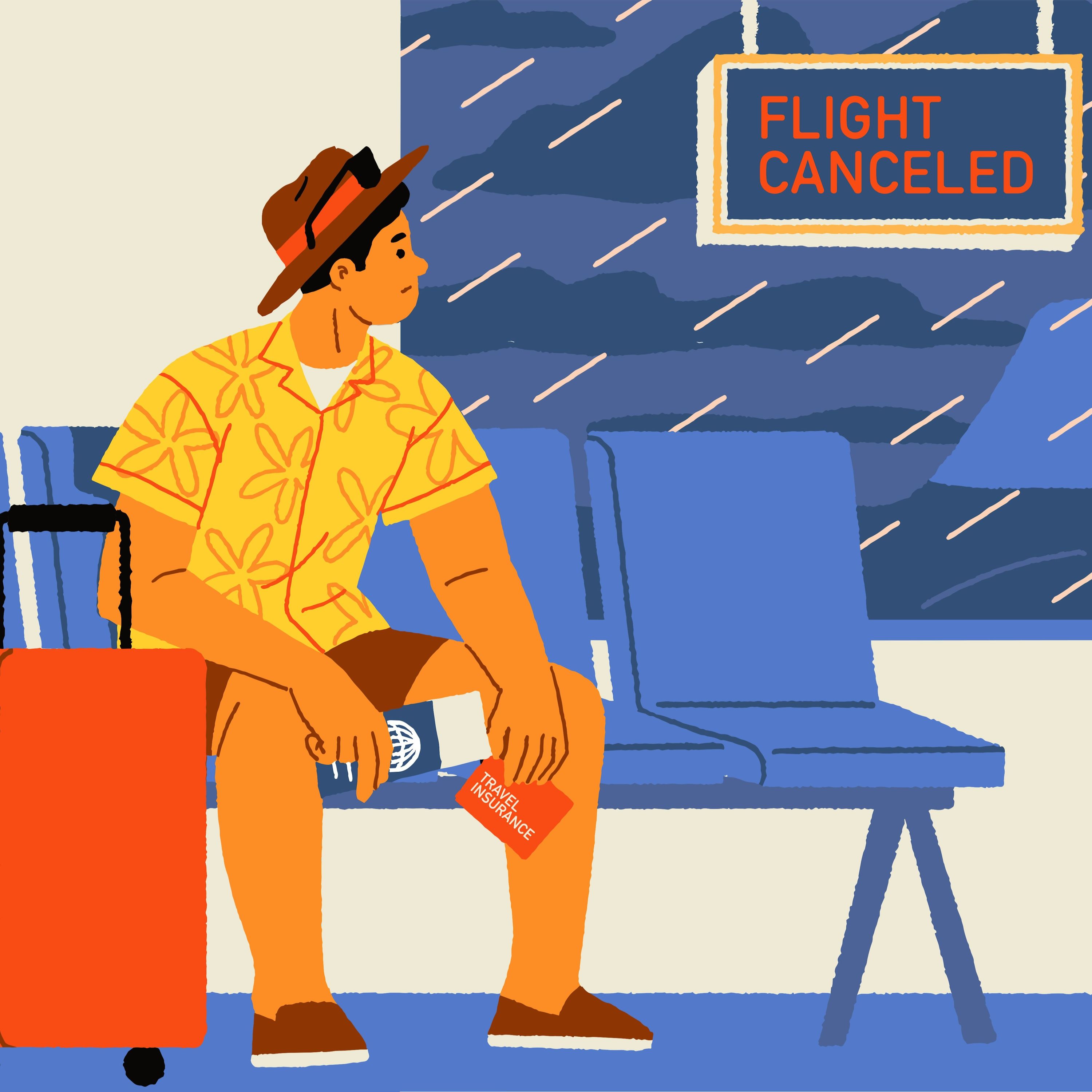
Author Mike Perry's first $1000 freelance check was invested on a friend's advice. Even though it was years before he could add to it, this single act created a foundation of financial security that enabled him to continue making art without constant money worries.