Get your free personalized podcast brief
We scan new podcasts and send you the top 5 insights daily.
To maximize contributions from introverted participants like engineers or scientists, provide a detailed pre-work packet with industry examples. This allows them to think deeply beforehand, arriving with dozens of well-formed ideas and making the session more productive from the start.

Related Insights
Teams often become 'intellectual piranhas' that critique every new idea to death, stifling innovation. To counter this, use the 'Yes, and...' improv technique from Stanford's Dan Klein. This forces participants to build upon ideas collaboratively rather than shutting them down, fostering a more creative environment.

For roundtable discussions, pre-assign seating based on attendees' self-assessed experience (e.g., novice, expert). This tactic ensures conversations are relevant for everyone, preventing experts from being bored and novices from feeling intimidated, dramatically improving the quality of peer-to-peer engagement.

Events over-index on extrovert-friendly networking. Rachel Andrews notes that since most attendees are introverts or "ambiverts," passive formats like topic tables are ineffective. Success requires forcing connections in smaller, structured, and fun ways, like a pickleball tournament, which facilitates natural bonding over forced conversation.

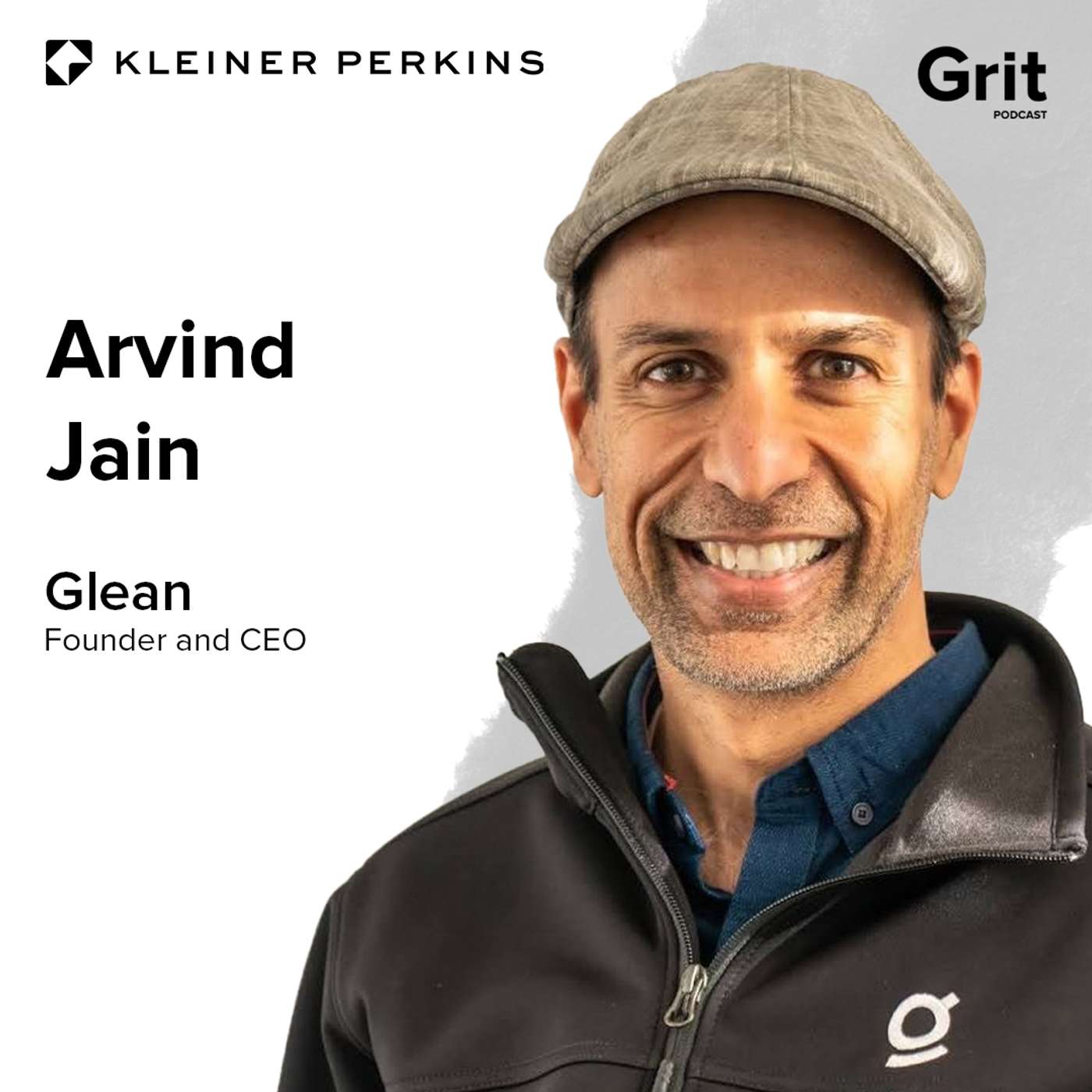
Arvind Jain insists on receiving written thoughts before discussions. It's partly for his own processing style (he absorbs information better by reading). More importantly, he believes the act of writing is the most effective way for anyone to structure their thoughts coherently and make better strategic decisions.
Before an innovation workshop, focus interviews on employees and customers who interact with the product daily, not just executives. Their ground-level insights are essential for defining the strategic 'white spaces' that will guide the workshop and ensure it addresses real problems.
To prevent the first or most senior person from anchoring a conversation, collect everyone's independent analysis in writing first. Only after this information is aggregated should the group discussion begin. This method ensures a wider range of ideas is considered and prevents premature consensus.

To encourage participation from everyone, leaders should focus on the 'why' behind an idea (intention) and ask curious questions rather than judging the final output. This levels the playing field by rewarding effort and thoughtfulness over innate talent, making it safe for people to share imperfect ideas.
To make workshops memorable, design them around active participation rather than passive listening. Facilitate live exercises, group problem-solving, or hands-on coaching. When attendees 'do' something and walk away with a tangible result, the lesson sticks far longer than a simple presentation.

Instead of a top-down agenda, Brad Jacobs has his leadership team collaboratively create it for key meetings. Attendees submit and rank questions based on pre-read materials. Only the highest-rated topics make the final agenda. This bottom-up approach ensures the meeting focuses on what the team collectively deems most critical.

The work that makes an innovation workshop successful happens before it starts. Before the session, assign a clear owner for the outputs and create a rubric for evaluating ideas. This structure ensures that promising concepts are systematically advanced for investment, rather than dying on a whiteboard photo.