Get your free personalized podcast brief
We scan new podcasts and send you the top 5 insights daily.
Nate Stone, founder of AI dubbing platform DittoDub, was first a successful YouTuber. His own frustrations with the high cost of manual dubbing and the desire to reach a non-English speaking audience directly led him to solve the language barrier problem for creators with AI.

Related Insights
Nate Stone, founder of AI dubbing tool DittoDub, is pragmatically detached from his company's long-term future. He fully expects YouTube to eventually build a competitive native tool and is not interested in fighting them, viewing his work as a stepping stone to other projects.
DittoDub's growth strategy was to win over the first 20 creators YouTube gave multi-language audio access to. A chance encounter with Rhett & Link kickstarted a word-of-mouth flywheel among elite creators, allowing the company to scale entirely on product quality and reputation.
Perfect AI-powered dubbing will eliminate language barriers, allowing creators to find huge audiences in countries they never imagined, similar to how David Hasselhoff became a music superstar in Germany. This opens up entirely new monetization and touring opportunities.

The company's founding insight stemmed from the poor quality of Polish movie dubbing, where one monotone voice narrates all characters. This specific, local pain point highlighted a universal desire for emotionally authentic, context-aware voice technology, proving that niche frustrations can unlock billion-dollar opportunities.

Top YouTubers using AI dubbing are seeing immediate, exponential subscriber growth. By making content accessible to global audiences, creators tap into a much larger market, triggering massive algorithmic promotion. One creator jumped from 20 million to 96 million subscribers.
An AI company is revolutionizing movie dubbing by analyzing the emotion in an actor's voice (e.g., angry, happy) and replicating that tone in the target language. This creates a more authentic viewing experience than traditional dubbing, which often sounds wooden and disconnected.

The first AI voice models used by DittoDub were highly unstable, often producing gibberish after 15 seconds. To ensure quality, the team had to build secondary 'demon catcher' AIs whose sole job was to monitor the output for errors and alert the founders, even at 3 AM.
Language barriers have historically limited video reach. Meta AI's automatic translation and lip-sync dubbing for Reels allows marketers to seamlessly adapt content for different languages, removing the need for non-verbal videos or expensive localization and opening up new international markets.
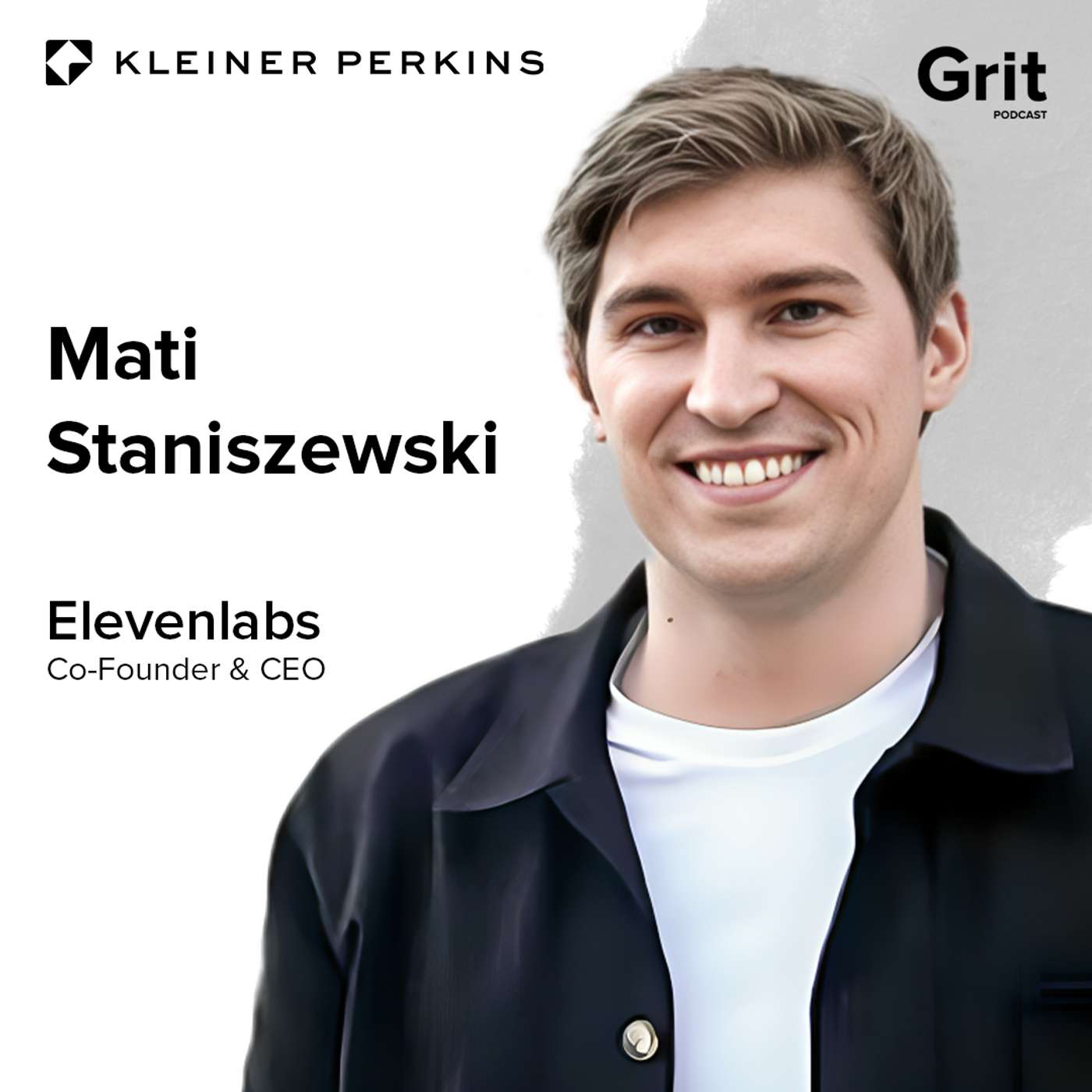
CEO Mati Staniszewski co-founded ElevenLabs after being frustrated by the Polish practice of dubbing foreign films with a single, monotonous voice. This hyper-specific, personal pain point became the catalyst for building a leading AI voice company, proving that massive opportunities can hide in niche problems.
Instagram's AI translation goes beyond captions; it dubs audio, alters the speaker's voice, and syncs lip movements to new languages. This allows creators to bypass the language barrier entirely, achieving the global reach previously reserved for silent or universally visual content without requiring additional production effort or cost.