Get your free personalized podcast brief
We scan new podcasts and send you the top 5 insights daily.
Nate Stone, founder of AI dubbing tool DittoDub, is pragmatically detached from his company's long-term future. He fully expects YouTube to eventually build a competitive native tool and is not interested in fighting them, viewing his work as a stepping stone to other projects.

Related Insights
As AI can generate high-quality video explainers on demand, YouTube faces a dilemma. It could generate personalized content for users, but this would put it in direct competition with the creators who form its platform's backbone, risking a potential "creator strike."
Nate Stone, founder of AI dubbing platform DittoDub, was first a successful YouTuber. His own frustrations with the high cost of manual dubbing and the desire to reach a non-English speaking audience directly led him to solve the language barrier problem for creators with AI.
Instead of fearing competitors who copy their product, Synthesia's founder sees them as a net positive. The increased competition generates more market iterations and signals, helping them discover the most valuable use cases for the new technology faster than they could alone, while also sharpening their focus.

Technological and cultural disruption is a recurring cycle, not a unique event. Just as streaming artists displaced MTV and rap overtook rock, today's dominant players will be replaced by the next wave. Resisting new technologies like AI is futile against this natural industry evolution.

Adopting the philosophy of 'building for dying' (向死而生), the founder views his AI product not just for current productivity, but as a future 'playground.' In a world where AI automates most jobs, the product's purpose will shift to providing fulfillment and the pleasure of 'pretend work.'
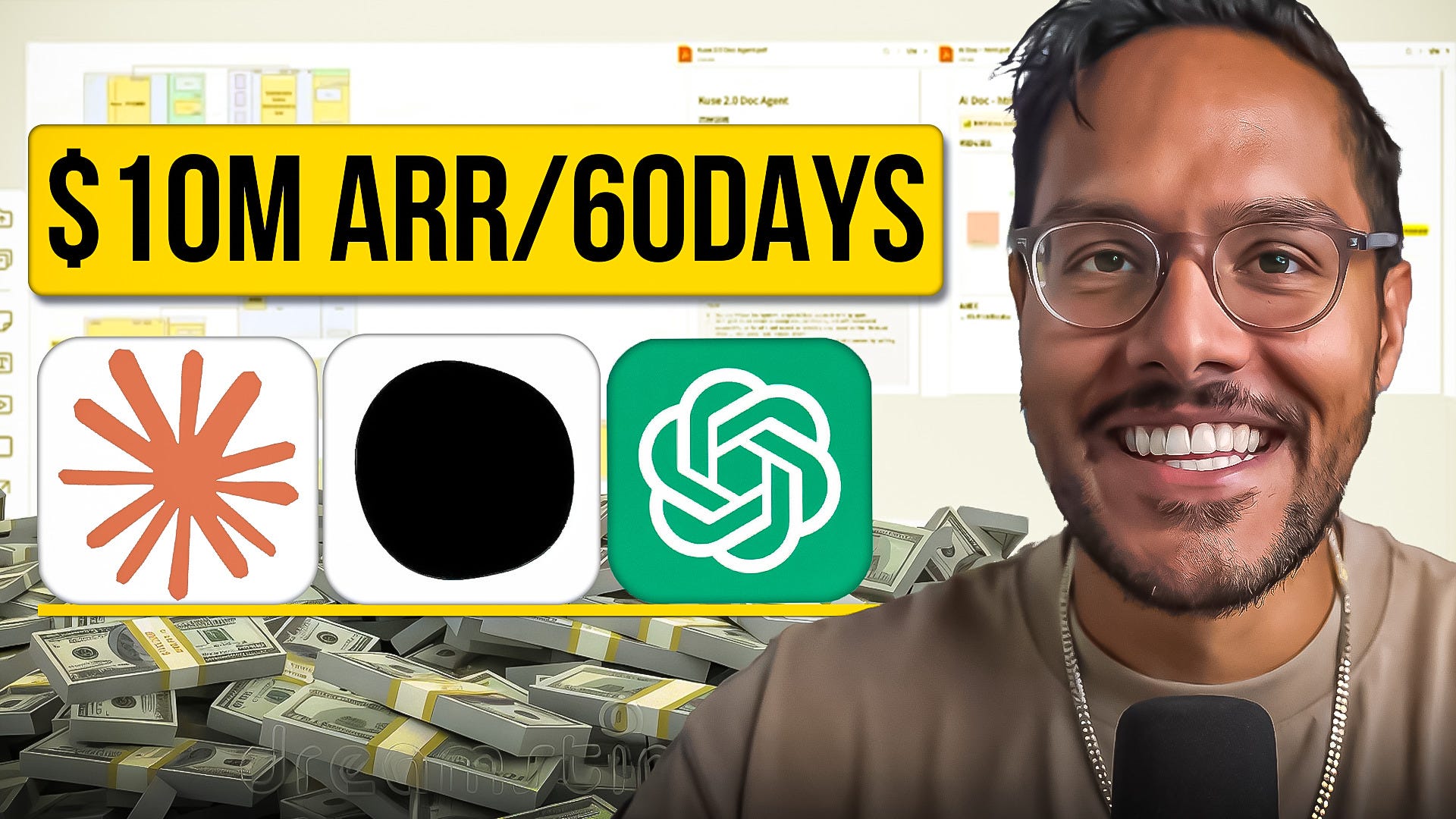
New AI tools make content creation easier than ever. However, this accessibility means the competitive advantage shifts from technical execution to the quality and originality of the core idea. Success now depends more on ideation, not just pressing a button.

AI enables a future where YouTube could generate custom videos based on user interests on the fly. However, this move would directly compete with its human creators, who are the platform's lifeblood, potentially triggering a massive backlash or "creator strike."

YouTube is introducing easy-to-use AI video creation tools for Shorts, likely as a strategic move to attract users from recently shut-down platforms like OpenAI's Sora. By offering similar functionality with its massive processing power, YouTube aims to become the go-to platform for AI-assisted short-form video creation.
Despite hundreds of thousands of subscribers, DittoDub founder Nate Stone walked away from his YouTube channel. He felt the relentless weekly content schedule prevented meaningful, high-impact work, demonstrating that audience size and fame are not universal motivators for creators.
A growing movement in the startup community involves not using OpenAI's API. Founders fear OpenAI, in its push for revenue, will release services that directly compete with and kill startups built on its platform, similar to Microsoft's historical "embrace, extend, extinguish" strategy.