Get your free personalized podcast brief
We scan new podcasts and send you the top 5 insights daily.
Canva positions its data science team as a partner that empowers marketers with information, rather than a gatekeeper that stifles creativity. This allows the marketing team to remain focused on their core function and take big, creative swings that can't be fully measured upfront.

Related Insights
Relying solely on data leads to ineffective marketing. Lasting impact comes from integrating three pillars: behavioral science (the 'why'), creativity (the 'how' to cut through noise), and data (the 'who' to target). Neglecting any one pillar cripples the entire strategy.

To avoid bureaucratic slowdowns at scale, Canva organizes its marketing team into small, empowered "swift boat pods." These teams can pursue impactful ideas with minimal friction and approvals, preserving a scrappy, experimental culture and preventing bureaucracy from stifling creativity.
Instead of brainstorming subjectively and then seeking data to support a favorite idea, start with audience insights. Analyzing what content people already engage with defines the creative sandbox, leading to more effective campaigns from the outset and avoiding resource-draining failures.
Brand and communications teams can bridge their data skills gap by using AI. By uploading performance reports to tools like ChatGPT, they can ask for analysis, identify trends, and learn to think like data-driven marketers, boosting their confidence and strategic input.

Marketers should use AI-driven insights at the beginning of the creative process to inform campaign strategy, rather than solely at the end for performance analysis. This approach combines human creativity with data to create more resonant campaigns and avoid generic AI-generated content.
Don't just show creatives a summary report from the marketing team. Giving designers, copywriters, and video editors raw access to performance data allows them to spot non-obvious patterns and make intuitive leaps that analytical minds might miss, leading to better creative.

The primary role of AI in marketing isn't to replace creative work but to automate the complex process of understanding customer behavior. AI systems continuously analyze data to answer critical questions about conversion, value, and budget waste, freeing up humans for strategic tasks.
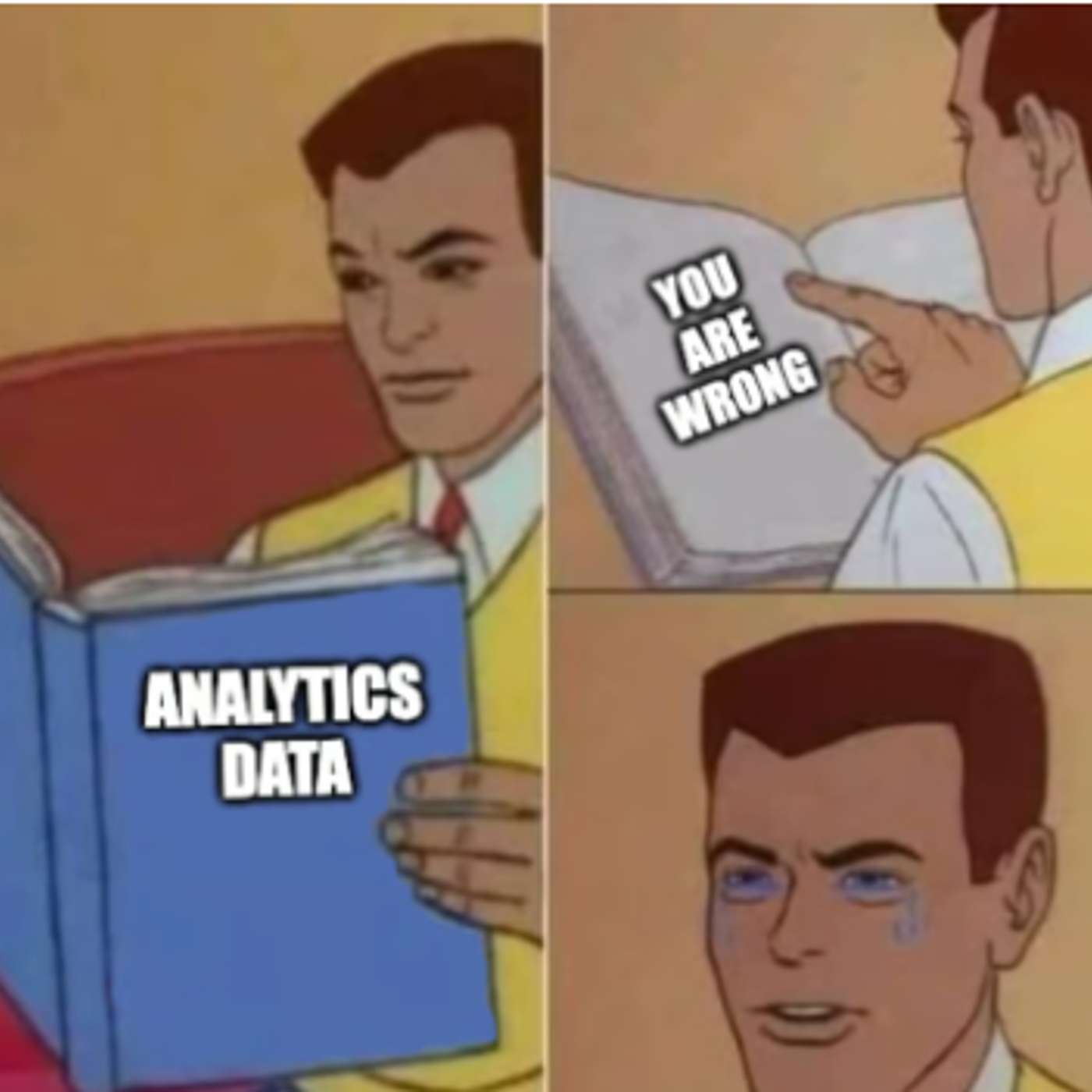
While a performance dashboard is important, a data-driven culture bakes analytics into every step of the marketing system. Data should inform foundational decisions like defining the ideal client profile and core messaging, not just measure the results of campaigns.

A specialist can build a complex, multi-step AI workflow and then expose only key inputs to the team. This turns their expertise into a scalable, self-serve "app" for marketers, enabling on-demand, on-brand creative generation without direct designer involvement.

Moving beyond using AI for simple content generation, SAS applies it to enhance marketing quality. They built an AI agent that scores creative briefs against effectiveness criteria. This forces teams to create better inputs, leading to better creative outputs and reframing AI's role from cost-saver to quality-enhancer.
