Get your free personalized podcast brief
We scan new podcasts and send you the top 5 insights daily.
The best editors possess an innate instinct for structure and improvement, a mindset distinct from reporting. The common career path of reporter-to-editor is often unnatural and counterproductive because the skill sets are fundamentally different, not a natural progression.

Related Insights
The primary challenge for journalism today isn't its own decline, but the audience's evolution. People now consume media from many sources, often knowingly biased ones, piecing together their own version of reality. They've shifted from being passive information recipients to active curators of their own truth.

Technical talent is not the primary driver of resonant creative work. The key ingredient is 'taste'—an unteachable ability to discern what will be emotionally pleasing and impactful to an audience. This intuitive sense separates good creators from great ones.

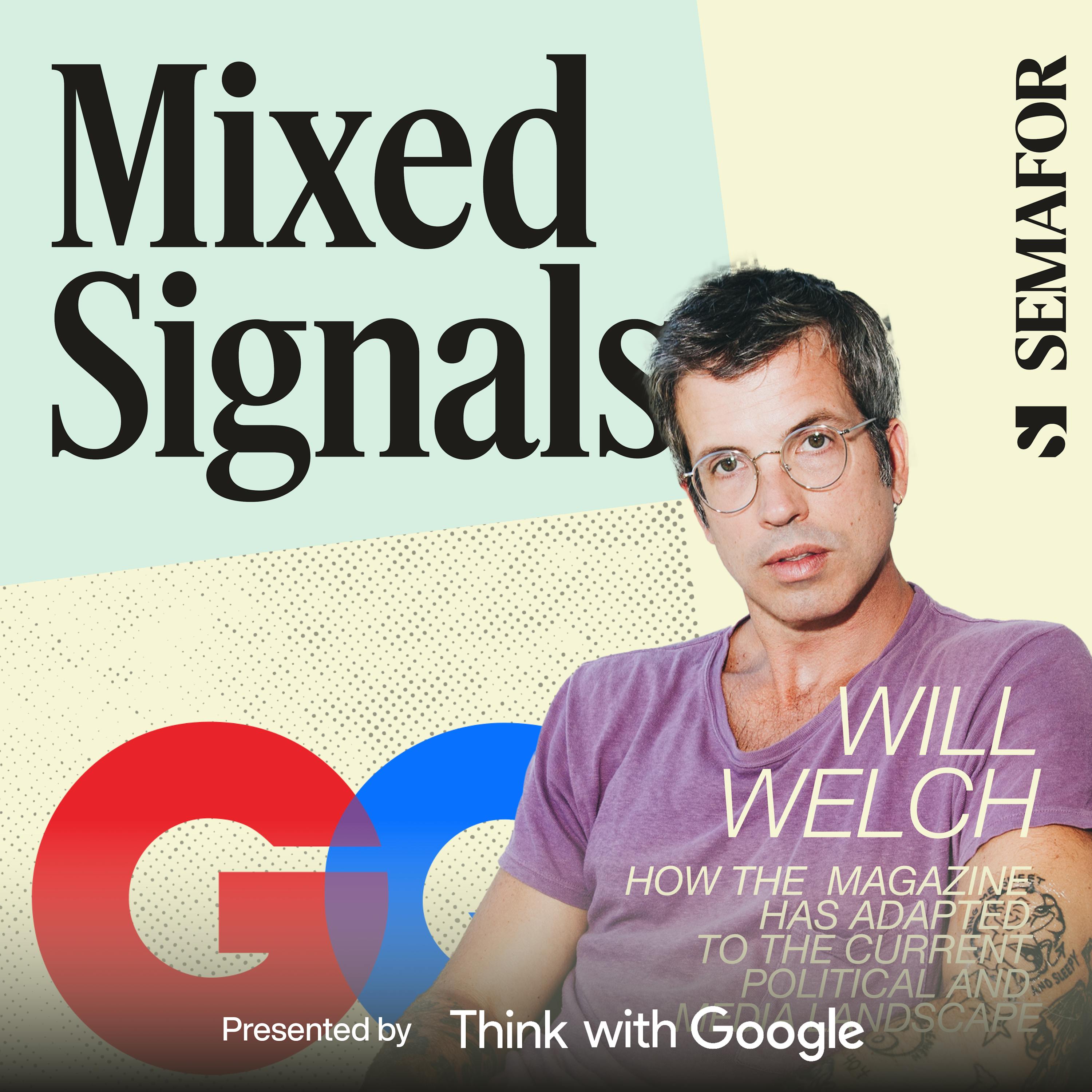
GQ's editor-in-chief argues that content engineered by triangulating audience data often fails to connect. Instead, stories originating from a single team member's genuine passion and excitement are what truly resonate with audiences, proving that in the current media landscape, authentic quality and a strong personal voice are paramount.
David Rubenstein's successful second act as a TV interviewer wasn't a planned career move calculated with consultants. It emerged organically from a simple need to make his firm's investor events less boring. This highlights how the most transformative professional opportunities often arise from solving unexpected problems, not from a formal strategic plan.

A newsroom's "DNA"—its ingrained sense of what constitutes a front-page story—often remains male-centric even with a woman in charge. Deep-seated biases that value topics like policy over childcare persist, meaning systemic change requires more than just a change in leadership.
When writing his book, Steve Garrity hired a developmental editor who did more than proofread. The editor cut 40% of the text and restructured the entire story to begin at the emotional low point, rather than chronologically. This highlights that an editor's greatest value can be in re-architecting the narrative for maximum impact.

The "CEO of the product" role at a large company involves managing the inertia of an already successful product. This is fundamentally different from founding, which requires creating value from nothing with no existing momentum. The skill sets are deceptively dissimilar.