Get your free personalized podcast brief
We scan new podcasts and send you the top 5 insights daily.
Moving CAR T-cell therapy to earlier treatment lines is crucial. This approach targets cancer before it develops resistance and, more importantly, utilizes patient T-cells that are healthier and more effective, not having been damaged by extensive prior chemotherapy regimens.

Related Insights
In the Cartitude 1 trial, the strongest predictor of long-term remission with Siltacel was a lower burden of disease (measured by bone marrow percentage and soluble BCMA levels), rather than the number of prior treatments. This implies using CAR-T therapy earlier in the disease course is more effective.

The success of early CAR-T cell therapies was partly luck. Future therapies face a high bar, as an ideal target must meet three criteria: 1) be abundant on cancer cells, 2) be indispensable for the cancer's survival, and 3) be dispensable for the patient's healthy tissues to avoid lethal toxicity.

The efficacy of Siltacel stems from a powerful initial expansion that eliminates cancer upfront. The CAR-T cells are often undetectable beyond six months, indicating their curative potential comes from an overwhelming initial response rather than persistent, long-term immune policing of the disease.
Using a BCMA bispecific antibody first can exhaust a patient's T-cells or cause tumors to lose the BCMA target, rendering a subsequent BCMA-targeted CAR-T therapy ineffective. The optimal sequence is CAR-T first, which preserves T-cell function and BCMA expression, leaving bispecifics as a viable later-line option.
Contrary to typical findings where real-world data underperforms, liso-cel CAR T-cell therapy in CLL demonstrates significantly better outcomes in practice than in its approval trial (over 80% response rate vs. under 50%). This suggests that using the therapy earlier in healthier, less-refractory patients unlocks its true potential.
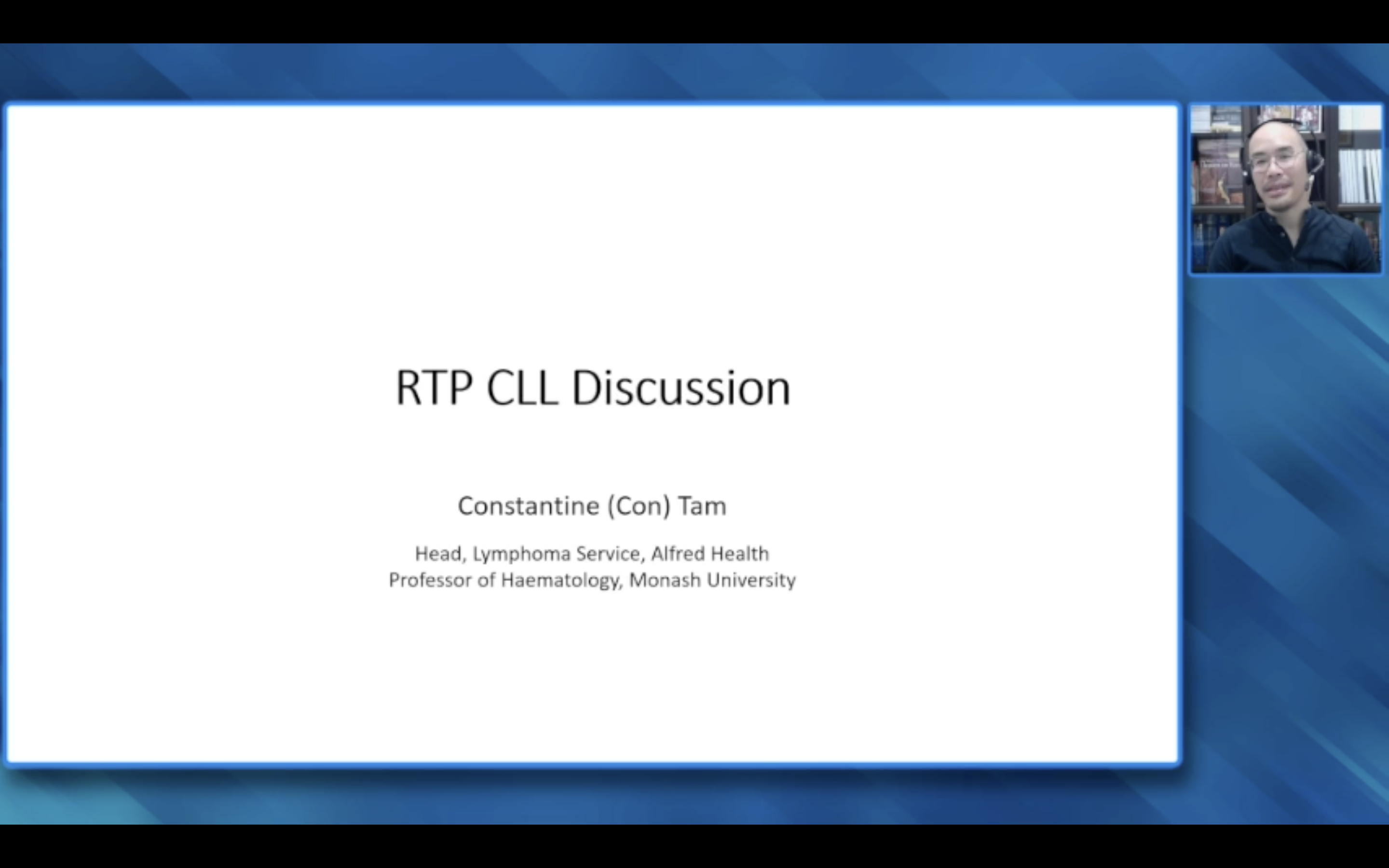
The next major shift for CAR T-cell therapy is its integration into frontline treatment. Instead of being reserved for relapse, it's being tested as a consolidation therapy that could replace the standard two to three years of maintenance chemotherapy, dramatically shortening treatment duration.
The first successful CAR T-cells targeted CD19, a protein on leukemia cells but also on healthy B-cells. The therapy worked because humans can live without B-cells. This "tolerable collateral damage" was serendipitous and highlights the primary challenge for other cancers: finding targets that won't cause fatal damage to healthy organs.

Rather than expecting cell therapies (CAR-T, TIL) to eradicate every cancer cell, Dr. Radvanyi reframes them as powerful adjuvants. Their role is to inflict initial damage, kill tumor cells, and release antigens, creating an opportunity to prime a broader, secondary immune response with other modalities like vaccines or checkpoint inhibitors.

The success of CAR-T therapy hinges on the quality of the patient's own lymphocytes. Procuring T-cells earlier in the disease course, before they become exhausted from numerous prior therapies, results in a higher proportion of naive T-cells, leading to better CAR-T cell manufacturing and clinical outcomes.
A key breakthrough in Colonia Therapeutics' early data is achieving profound CAR-T cell expansion without lymphodepleting chemotherapy. This dramatically improves the safety profile and patient experience, potentially moving CAR-T therapy from major academic centers to more accessible community oncology settings, thereby "democratizing" the treatment.