Get your free personalized podcast brief
We scan new podcasts and send you the top 5 insights daily.
The next major shift for CAR T-cell therapy is its integration into frontline treatment. Instead of being reserved for relapse, it's being tested as a consolidation therapy that could replace the standard two to three years of maintenance chemotherapy, dramatically shortening treatment duration.

Related Insights
In the Cartitude 1 trial, the strongest predictor of long-term remission with Siltacel was a lower burden of disease (measured by bone marrow percentage and soluble BCMA levels), rather than the number of prior treatments. This implies using CAR-T therapy earlier in the disease course is more effective.

Moving CAR T-cell therapy to earlier treatment lines is crucial. This approach targets cancer before it develops resistance and, more importantly, utilizes patient T-cells that are healthier and more effective, not having been damaged by extensive prior chemotherapy regimens.
CELMoDs are being actively trialed as a maintenance therapy after CAR T-cell treatment. The strategy is to leverage the CELMoDs' ability to enhance T-cell function and upregulate effector T-cells to boost the activity and persistence of the CAR-T product, potentially leading to more durable responses and preventing relapse.
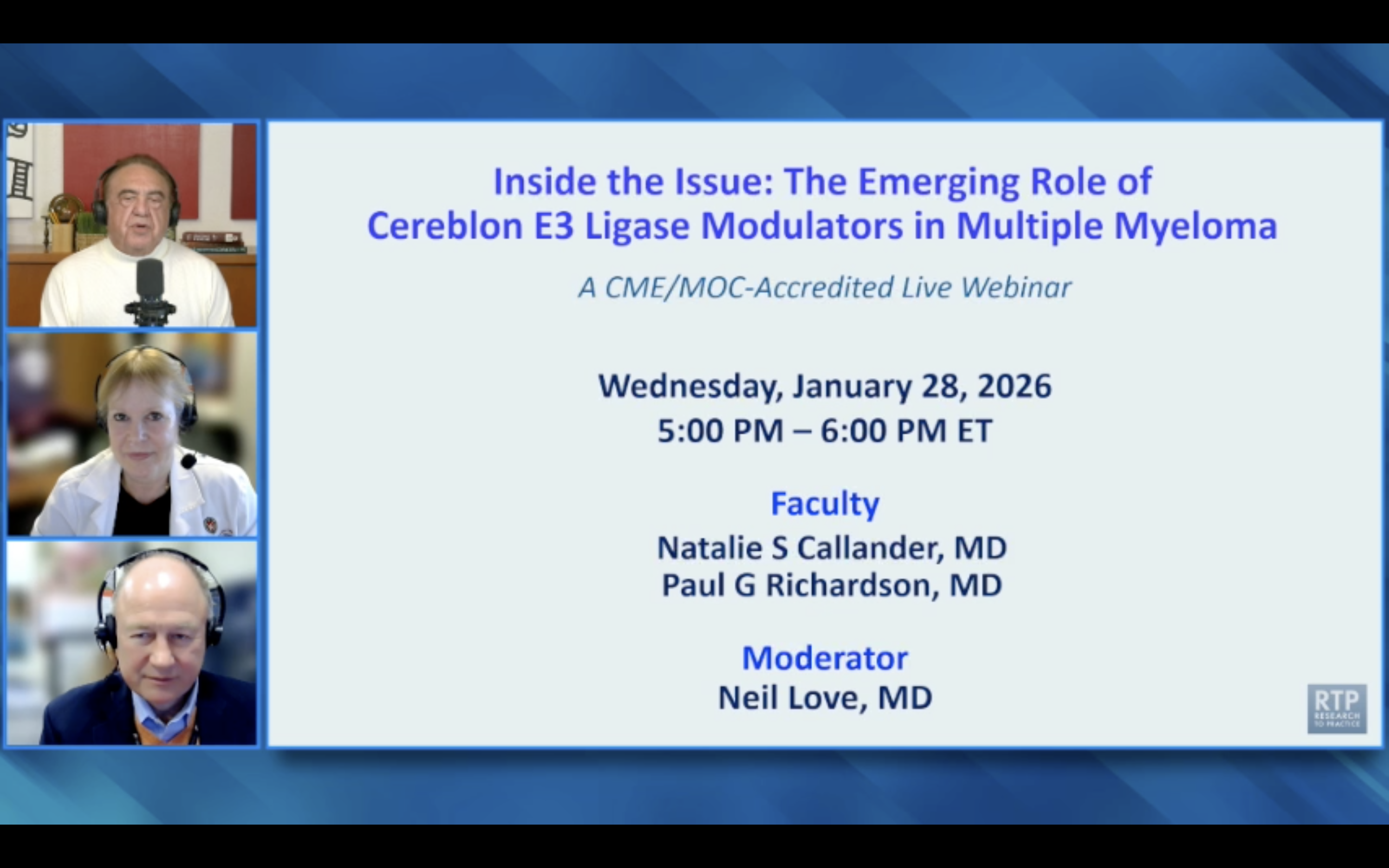
The efficacy of Siltacel stems from a powerful initial expansion that eliminates cancer upfront. The CAR-T cells are often undetectable beyond six months, indicating their curative potential comes from an overwhelming initial response rather than persistent, long-term immune policing of the disease.
Early data from an in vivo CAR-T therapy suggests a paradigm shift is possible. By engineering T-cells directly inside the patient with a simple infusion, this approach could eliminate the need for leukapheresis and external manufacturing, completely disrupting the current cell therapy model.

Five-year follow-up from the CARTITUDE-1 trial suggests a potential cure for multiple myeloma is achievable. With roughly one-third of heavily pretreated patients remaining in remission at five years—and some confirmed as MRD-negative—the concept of a cure is now part of the operational discussion among specialists, a monumental shift for a disease long considered incurable.
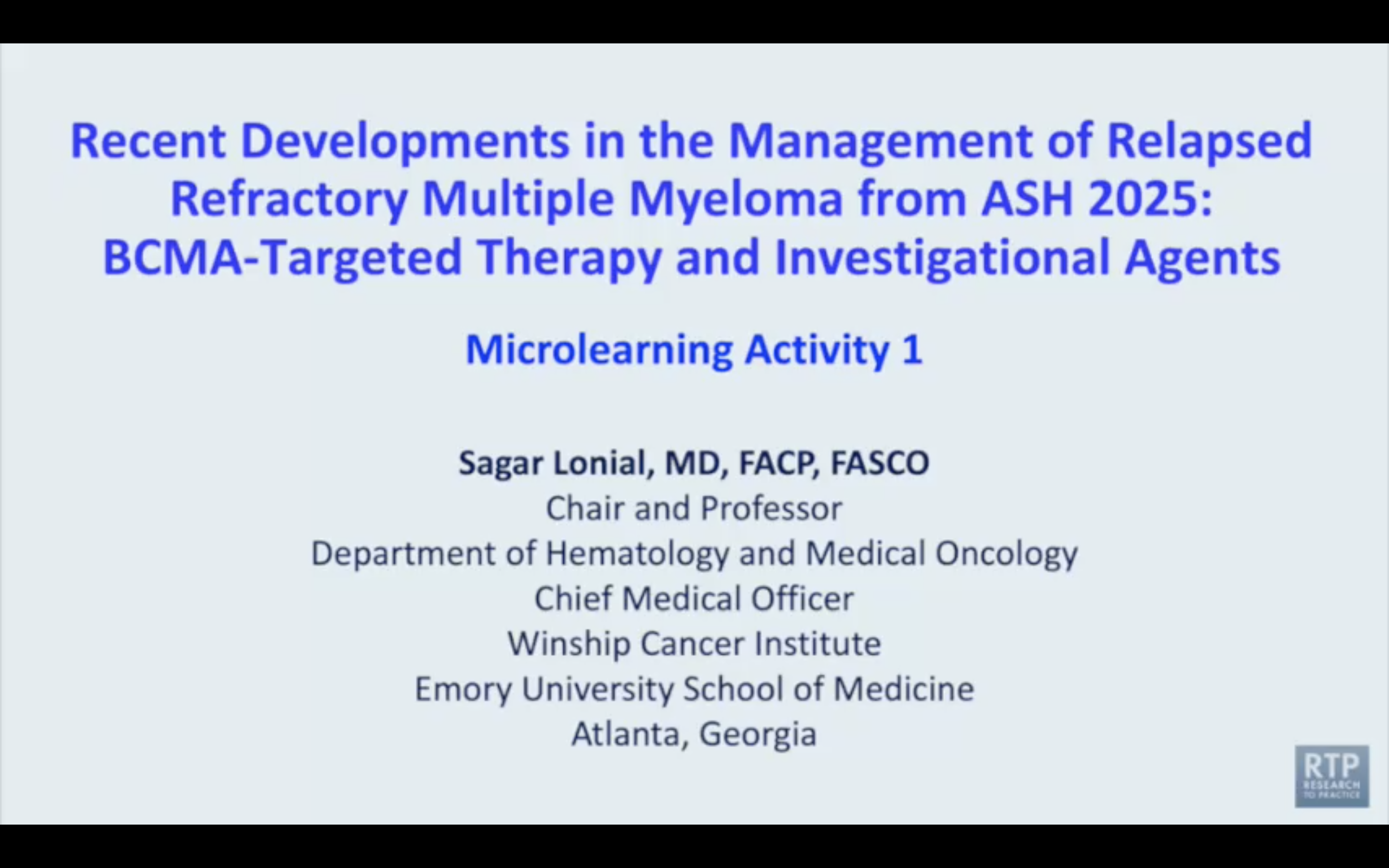
Contrary to typical findings where real-world data underperforms, liso-cel CAR T-cell therapy in CLL demonstrates significantly better outcomes in practice than in its approval trial (over 80% response rate vs. under 50%). This suggests that using the therapy earlier in healthier, less-refractory patients unlocks its true potential.
Rather than expecting cell therapies (CAR-T, TIL) to eradicate every cancer cell, Dr. Radvanyi reframes them as powerful adjuvants. Their role is to inflict initial damage, kill tumor cells, and release antigens, creating an opportunity to prime a broader, secondary immune response with other modalities like vaccines or checkpoint inhibitors.

When Dr. Alex Marson graduated from medical school in 2010, the prevailing dogma was to "not waste time thinking about cancer immunology." The subsequent success of immunotherapies like CAR T-cells represents a radical and rapid paradigm shift in oncology within just a few years.

A key breakthrough in Colonia Therapeutics' early data is achieving profound CAR-T cell expansion without lymphodepleting chemotherapy. This dramatically improves the safety profile and patient experience, potentially moving CAR-T therapy from major academic centers to more accessible community oncology settings, thereby "democratizing" the treatment.