Get your free personalized podcast brief
We scan new podcasts and send you the top 5 insights daily.
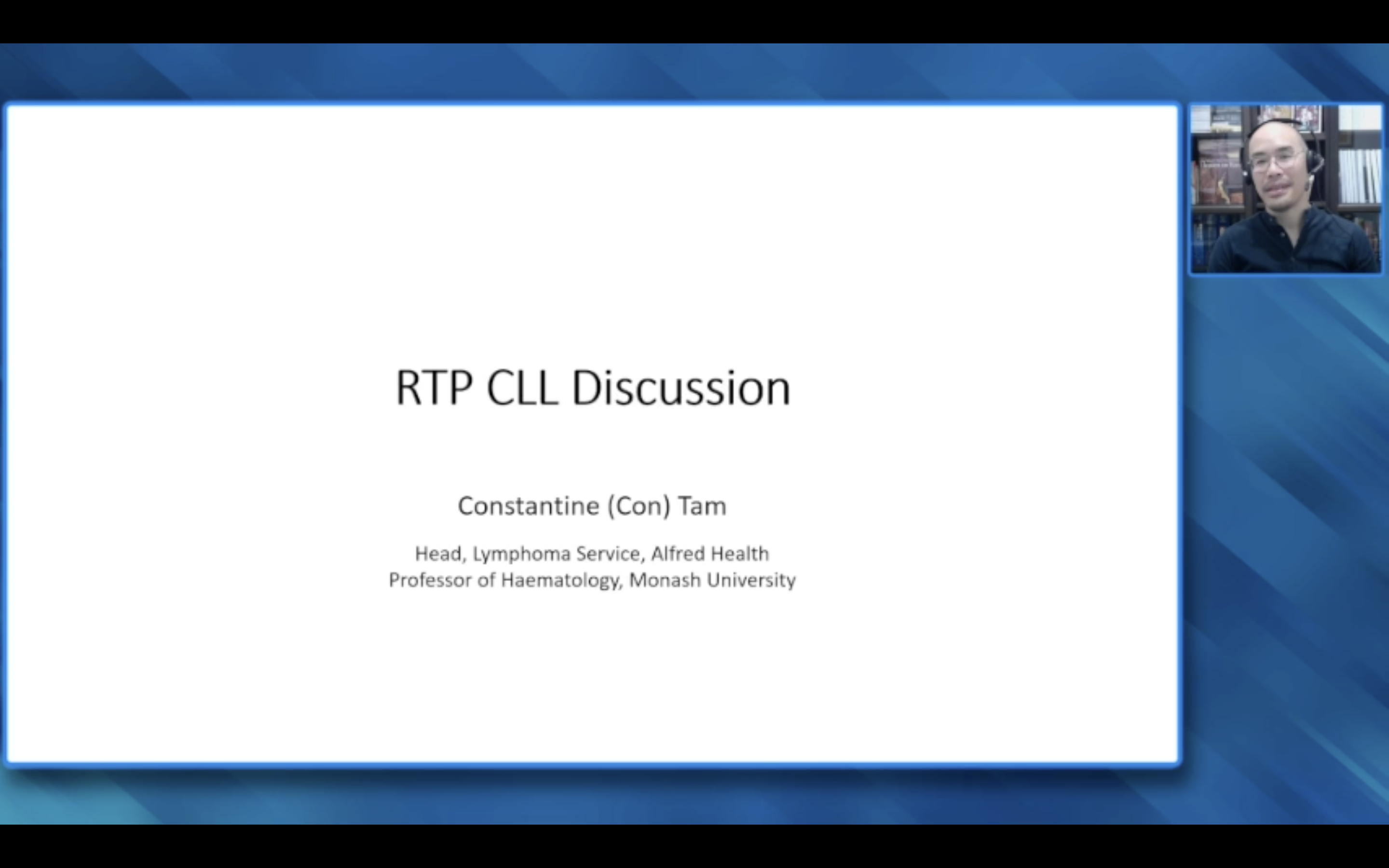
Contrary to typical findings where real-world data underperforms, liso-cel CAR T-cell therapy in CLL demonstrates significantly better outcomes in practice than in its approval trial (over 80% response rate vs. under 50%). This suggests that using the therapy earlier in healthier, less-refractory patients unlocks its true potential.
Related Insights
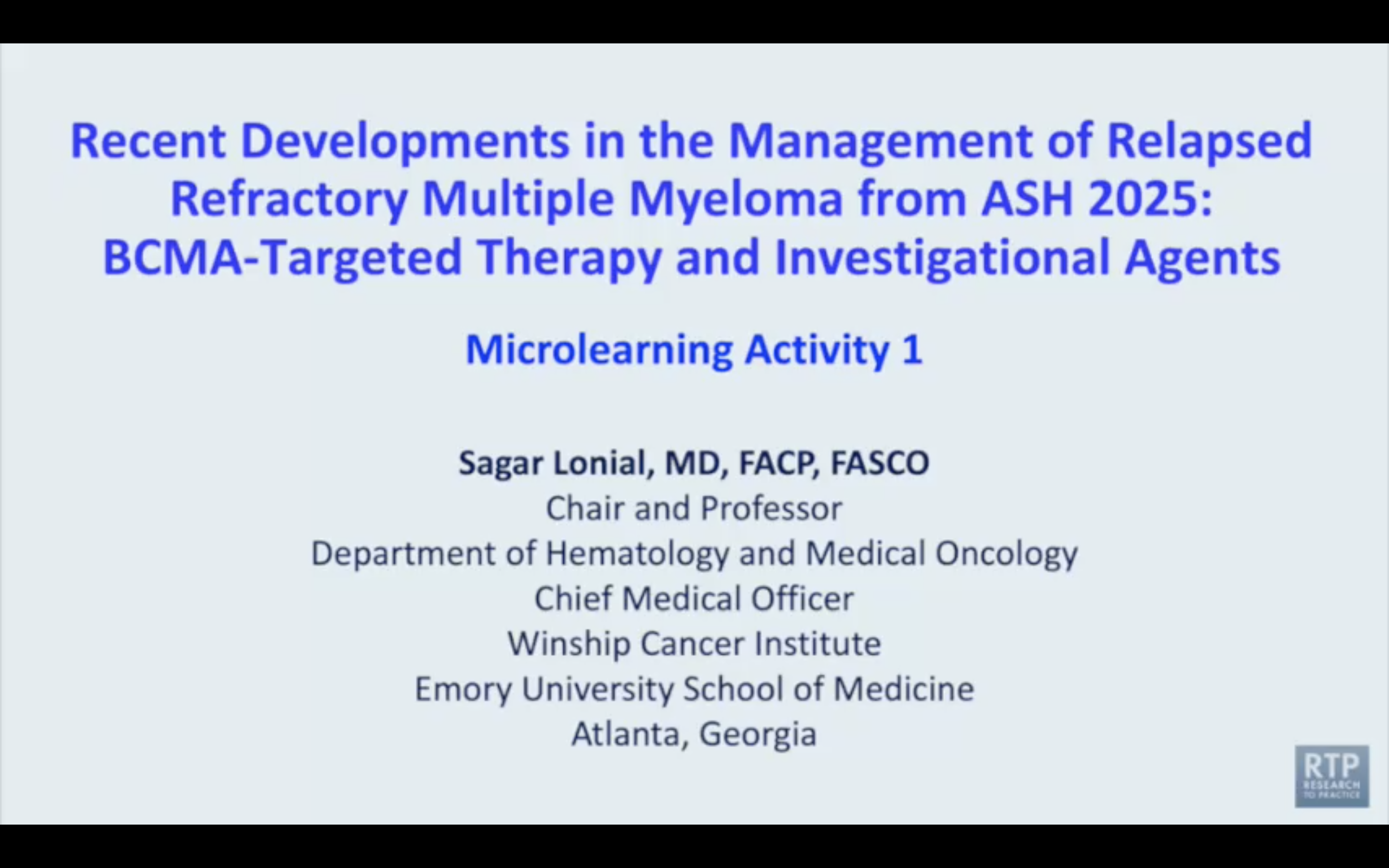
In the Cartitude 1 trial, the strongest predictor of long-term remission with Siltacel was a lower burden of disease (measured by bone marrow percentage and soluble BCMA levels), rather than the number of prior treatments. This implies using CAR-T therapy earlier in the disease course is more effective.

CELMoDs are being actively trialed as a maintenance therapy after CAR T-cell treatment. The strategy is to leverage the CELMoDs' ability to enhance T-cell function and upregulate effector T-cells to boost the activity and persistence of the CAR-T product, potentially leading to more durable responses and preventing relapse.
With highly effective CLL therapies, primary causes of mortality are now infections and secondary cancers from immunodeficiency. Research is now focusing on immune reconstitution after treatment, marking a pivotal shift towards managing long-term survivorship challenges beyond just controlling the leukemia itself.
BTK inhibitors like ibrutinib can improve T-cell function. When combined with liso-cel CAR-T, this synergistic effect dramatically improves outcomes in heavily pretreated patients, increasing the complete response rate from 20% to 45% and the overall response rate from 48% to 86%.

Despite excitement for in-vivo CAR-Ts, the high response rates and multi-year survival of current autologous therapies create a significant competitive moat. New modalities must not only match this efficacy but also prove long-term durability, a high bar that insulates incumbents in indications like multiple myeloma for the foreseeable future.

Despite exciting early efficacy data for in vivo CAR-T therapies, the modality's future hinges on the critical unanswered question of durability. How long the therapeutic effects last, for which there is little data, will ultimately determine its clinical viability and applications in cancer versus autoimmune diseases.

The efficacy of Siltacel stems from a powerful initial expansion that eliminates cancer upfront. The CAR-T cells are often undetectable beyond six months, indicating their curative potential comes from an overwhelming initial response rather than persistent, long-term immune policing of the disease.
CARTITUDE-IV trial data challenges the idea of reserving CAR-T therapy for high-risk myeloma. In early relapse, standard-risk patients treated with siltacel had a longer progression-free survival than even high-risk patients on the same therapy. This suggests standard-risk patients may gain the most relative benefit from earlier CAR-T intervention compared to standard of care.
Rather than expecting cell therapies (CAR-T, TIL) to eradicate every cancer cell, Dr. Radvanyi reframes them as powerful adjuvants. Their role is to inflict initial damage, kill tumor cells, and release antigens, creating an opportunity to prime a broader, secondary immune response with other modalities like vaccines or checkpoint inhibitors.

The success of CAR-T therapy hinges on the quality of the patient's own lymphocytes. Procuring T-cells earlier in the disease course, before they become exhausted from numerous prior therapies, results in a higher proportion of naive T-cells, leading to better CAR-T cell manufacturing and clinical outcomes.