Get your free personalized podcast brief
We scan new podcasts and send you the top 5 insights daily.
The first successful CAR T-cells targeted CD19, a protein on leukemia cells but also on healthy B-cells. The therapy worked because humans can live without B-cells. This "tolerable collateral damage" was serendipitous and highlights the primary challenge for other cancers: finding targets that won't cause fatal damage to healthy organs.

Related Insights
The success of early CAR-T cell therapies was partly luck. Future therapies face a high bar, as an ideal target must meet three criteria: 1) be abundant on cancer cells, 2) be indispensable for the cancer's survival, and 3) be dispensable for the patient's healthy tissues to avoid lethal toxicity.

To overcome on-target, off-tumor toxicity, LabGenius designs antibodies that act like biological computers. These molecules "sample" the density of target receptors on a cell's surface and are engineered to activate and kill only when a specific threshold is met, distinguishing high-expression cancer cells from low-expression healthy cells.
Unlike some targeted therapies that lead to antigen loss, treatment with the CD19-directed antibody tafasitamab does not appear to eliminate CD19 expression on lymphoma cells. This is a critical finding, as it preserves the target for subsequent potent therapies like CD19-directed CAR T-cells.
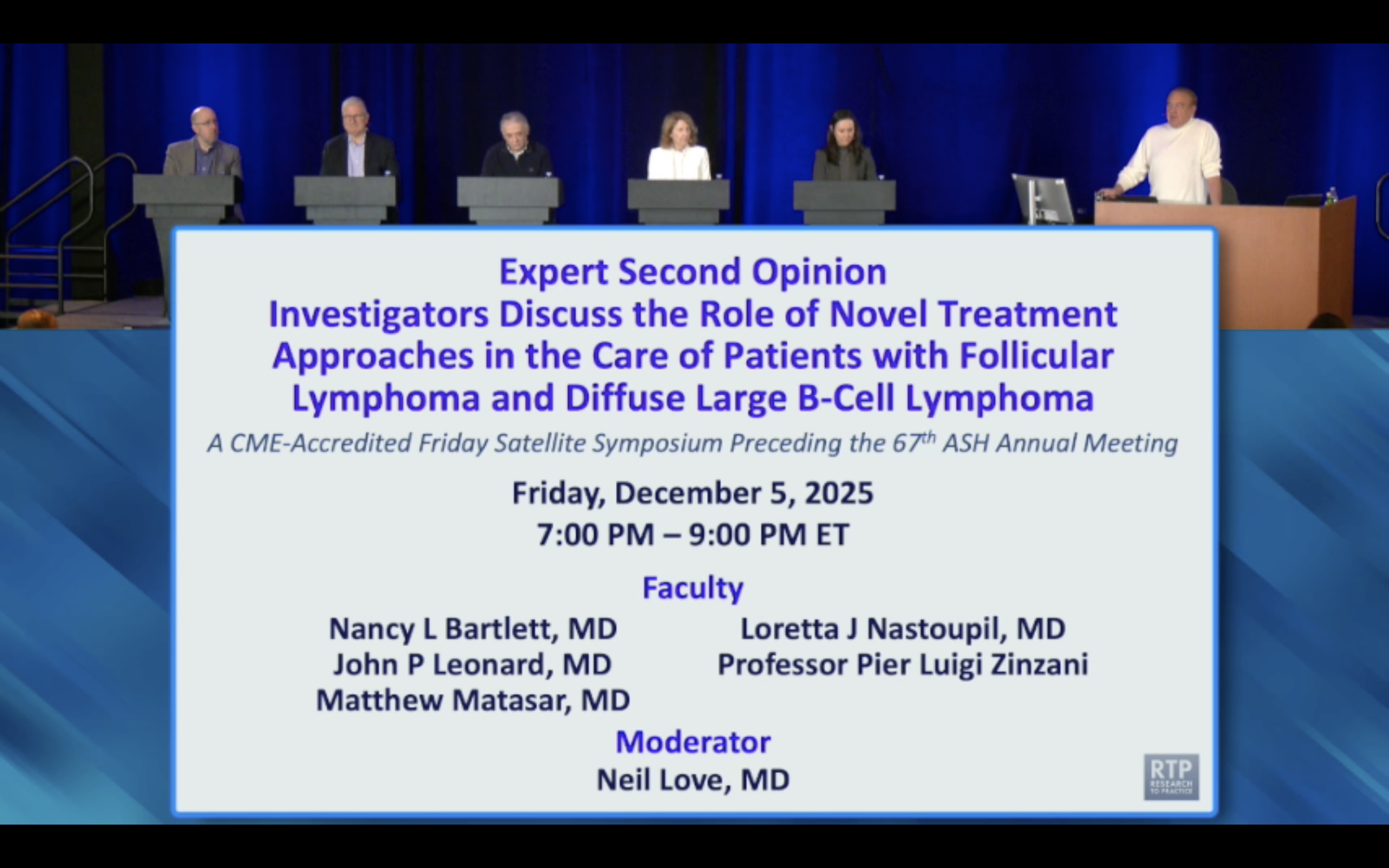
Despite exciting early efficacy data for in vivo CAR-T therapies, the modality's future hinges on the critical unanswered question of durability. How long the therapeutic effects last, for which there is little data, will ultimately determine its clinical viability and applications in cancer versus autoimmune diseases.

The efficacy of Siltacel stems from a powerful initial expansion that eliminates cancer upfront. The CAR-T cells are often undetectable beyond six months, indicating their curative potential comes from an overwhelming initial response rather than persistent, long-term immune policing of the disease.

The primary hurdle for the entire biologics field is enhancing the therapeutic index (efficacy vs. toxicity). Because most conditions like cancer and autoimmune disorders are 'diseases of self,' therapeutics often have on-target, off-tumor effects. This fundamental problem drives the need for innovations like masking and conditional activation.

Quell's CEO suggests a competitor's transient target may limit long-term efficacy. He notes that for a CAR-Treg to persist, it needs a stable antigen for activation. By targeting CD19 on B-cells which are not depleted, Quell ensures its therapy has a durable target, aiming for sustained, long-term disease control.

Quell differentiates its CAR-Treg therapy by aiming to restore immune balance. Unlike B-cell depletion therapies (CAR-T), their approach uses CD19 on B-cells as an activation signal. This creates a local suppressive environment that 'chills' multiple pathogenic cell types (T-cells, B-cells, macrophages) instead of killing just one.
Rather than expecting cell therapies (CAR-T, TIL) to eradicate every cancer cell, Dr. Radvanyi reframes them as powerful adjuvants. Their role is to inflict initial damage, kill tumor cells, and release antigens, creating an opportunity to prime a broader, secondary immune response with other modalities like vaccines or checkpoint inhibitors.

Bi-specific T-cell engagers (BiTEs) are highly immunogenic because the mechanism activating T-cells to kill cancer also primes them to mount an immune response against the drug itself. This 'collateral effect' is an inherent design challenge for this drug class.
