Get your free personalized podcast brief
We scan new podcasts and send you the top 5 insights daily.
The 2018 NDS was praised for pivoting to great power competition, naming Russia as a top threat. This made the document inherently dishonest, as it represented the Pentagon's consensus while completely contradicting President Trump's well-known admiration for Vladimir Putin.

Related Insights
Russia portrays NATO's growth as an aggressive act of encirclement. This narrative, however, ignores that Eastern European nations eagerly joined NATO for protection, driven by Russia's long and brutal history of posing an existential threat to its neighbors. The expansion was defensive, not offensive.

The official National Defense Strategy document generates significant debate but is largely symbolic and disconnected from an administration's actual foreign policy decisions. Professionals often waste time analyzing a document that has little real-world impact on guiding decisions.
Russia's public support for Trump's Greenland move is a strategic play to encourage him. Moscow's goal is to provoke Trump into fracturing NATO, the very alliance created to contain Russian aggression, by having its leader attack an allied territory.
Putin's history shows a reliable pattern: he appears cooperative and makes agreements, only to later act in his own self-interest. To predict his moves in conflicts like the Ukraine war, one must analyze this long-term behavioral pattern rather than his current statements or gestures.

The U.S. faces adversaries who are actively collaborating, rendering a siloed response insufficient. Victory requires an integrated effort combining the government, the traditional defense industrial base, and agile innovators, creating unique partnerships to move faster than the competition.

To predict a leader's actions, disregard their words and even individual actions. Instead, focus on their consistent, long-term pattern of behavior. For Putin, the pattern is using negotiations as a stalling tactic to advance a fixed agenda, making him an unreliable partner for peace deals based on stated intentions.

A new US national security document signals a radical foreign policy shift. It explicitly states the US will support "right wing, far right and populist right parties" in Europe that align with its anti-immigration stance, effectively interfering in the domestic politics of allied nations to promote a "MAGA like" Europe.
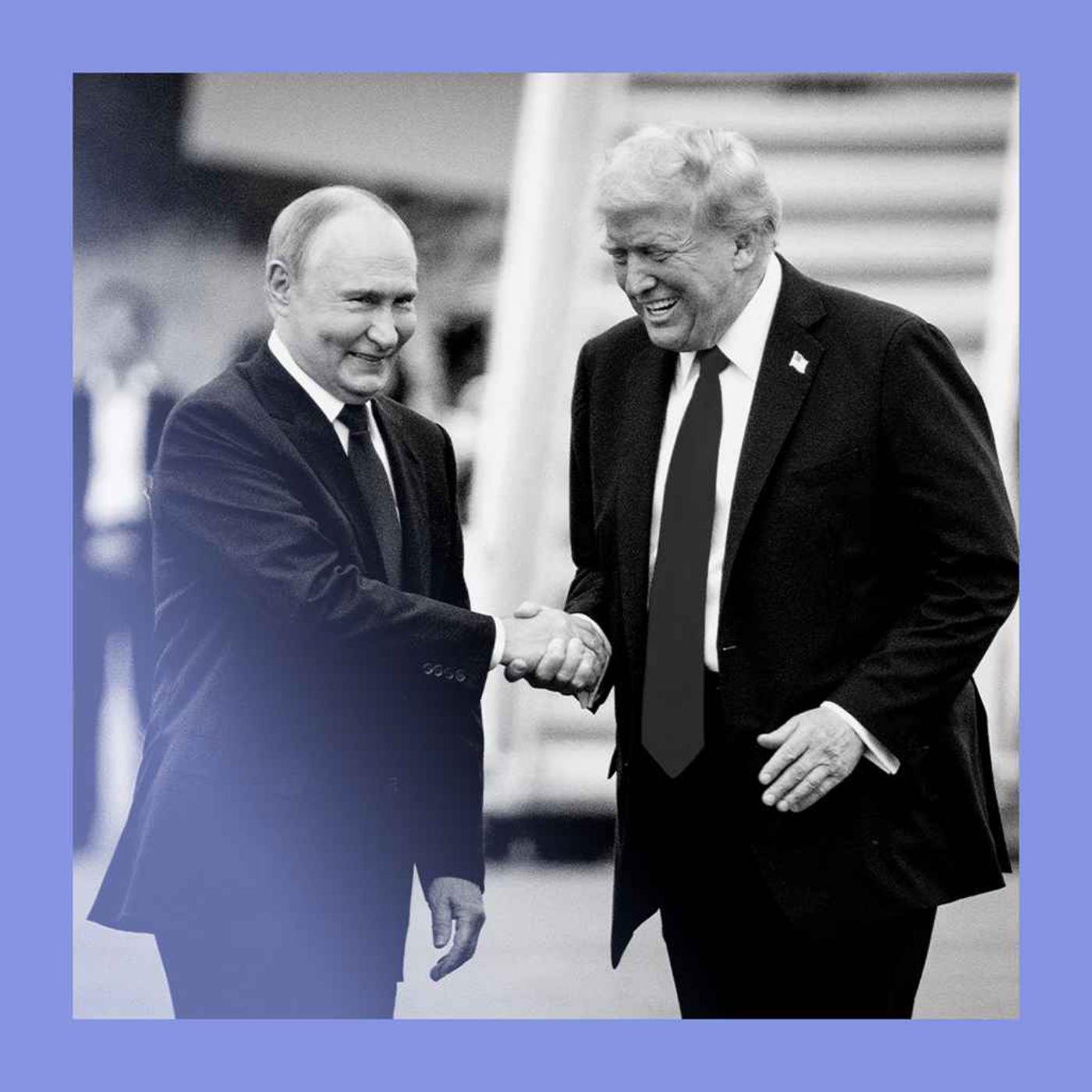
Soviet leaders who lived through WWII understood the unpredictability of direct conflict and preferred proxy wars. Vladimir Putin, in contrast, has consistently used direct "hot wars"—from Chechnya to Georgia to Ukraine—as a primary tool to consolidate power and boost his domestic popularity.
The latest U.S. National Security Strategy drops confrontational rhetoric about China as an ideological threat, instead framing the relationship around economic rivalry and rebalancing. This shift prioritizes tangible deals over promoting American values globally, marking a departure from Reagan-era foreign policy.

Despite its official status, the new National Security Strategy's significance is debated within Washington. Some administration insiders believe the document is an ideological statement that will be "forgotten in weeks," with its actual implementation dependent on the president's whims and the influence of key advisors.