Get your free personalized podcast brief
We scan new podcasts and send you the top 5 insights daily.
The most credible sales advice comes from those who are still actively selling. If a mentor doesn't carry a book of business, they are detached from the current realities of the profession and may be teaching outdated or theoretical concepts.
Related Insights
When making business decisions, it is crucial to weigh the source of the advice. Vaynerchuk advocates for prioritizing guidance from "executors"—people who have actually built and run businesses—over "educators" or acquaintances who offer theoretical opinions without practical experience.

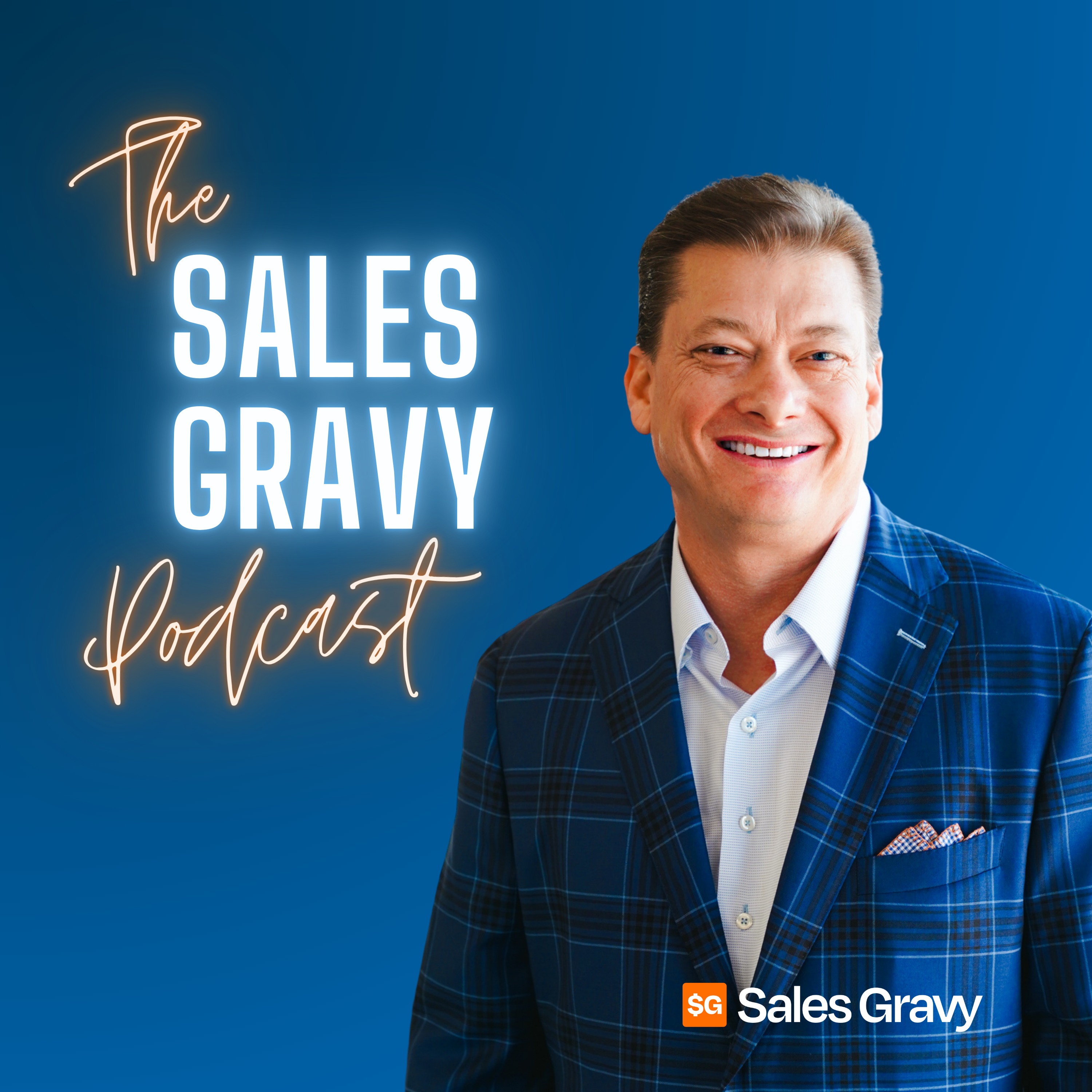
Unlike consultants who only teach, Sales Gravy's trainers are full-time employees who must also sell. This "practice what you preach" model ensures their training is grounded in real-world, current experience, making it more credible and effective for clients.

Top salespeople know their numbers precisely. When interviewing, demand specific dollar amounts for their quota and actual performance. Resistance, vagueness, or answers like "100-plus percent" are strong signals they are either hiding underperformance or lack discipline.

Many self-proclaimed experts build a brand on one successful year or technique. This lacks the test of time and different market conditions, making their advice potentially misleading or based on luck rather than a repeatable skill.
Legitimate sales expertise recognizes there is no single correct method. Effective selling requires adapting frameworks to different customers, industries, and situations. Mentors who preach absolutes oversimplify a complex, nuanced profession and stifle adaptability.
A sales leader's value isn't in managing from headquarters. It's in being on the front lines, personally engaging in the most challenging deals to figure out the winning sales motion. Only after living in the field and closing landmark deals can they effectively build a playbook and teach the team.

Effective sales leadership isn't about managing spreadsheets; it's about leading from the front with deep product knowledge. A leader who can't sell the product themselves cannot effectively judge their team, determine what "good" looks like, or have confidence in their forecast.

Salespeople from hot companies with products that 'sell themselves' may just be order-takers. The truly skilled sellers are those hitting quota at tier-three companies. They have proven they can create demand, not just capture it from a market-leading brand.

Traditional, one-off training events are obsolete because the sales environment now demands constant agility and speed. Many experienced salespeople are struggling because their established playbooks and skills were developed for a market that has fundamentally changed, making continuous learning essential for survival.

The traditional definition of a champion (power, influence, vested interest) is incomplete. The most critical, and often overlooked, criterion is their proven willingness to actively sell on your behalf when you are not present. Without evidence of them taking action, you don't have a champion, regardless of their position.